Clavicular Injuries: Anatomy, Treatment, and Prevention Guide
“`html
The Clavicular: More Than Just a Collarbone
The clavicle, commonly referred to as the collarbone, is one of the most distinctive and functionally significant bones in the human body. Its unique S-shape not only contributes to its strength but also plays a critical role in upper body mobility and stability. Despite its relatively small size, the clavicle connects the arm to the body, making it essential for a wide range of movements.
The Anatomy of the Clavicle: Structure and Function
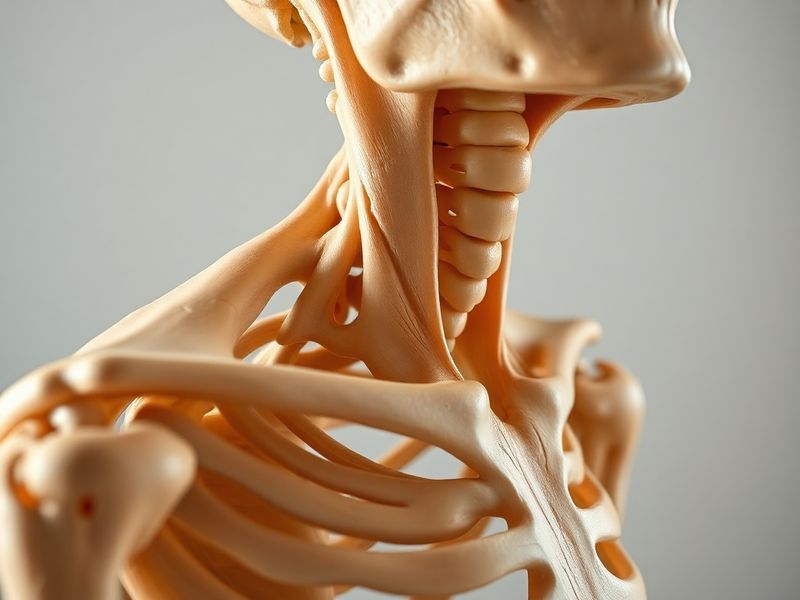
The clavicle is a long bone that extends horizontally across the top of the chest, between the sternum (breastbone) and the scapula (shoulder blade). It is the only long bone in the body that lies horizontally. This positioning allows it to transmit forces from the upper limb to the axial skeleton, acting as a strut that supports the shoulder and keeps the arm away from the trunk.
Anatomically, the clavicle consists of three main parts:
- Medial end (sternal end): This rounded end connects to the manubrium of the sternum via the sternoclavicular joint, which is the only direct bony articulation between the upper limb and the axial skeleton.
- Lateral end (acromial end): This flattened end articulates with the acromion process of the scapula, forming the acromioclavicular (AC) joint, which is crucial for shoulder movement.
- Shaft: The long, curved portion of the clavicle that serves as an attachment site for several muscles, including the deltoid, trapezius, and pectoralis major.
The clavicle’s shape—flattened at the lateral end and rounded at the medial end—reflects its dual role in both strength and flexibility. Its slight S-curve also helps absorb shocks transmitted through the upper limb, such as when falling on an outstretched hand.
Common Clavicle Injuries: Fractures and Dislocations
Due to its exposed position and critical function, the clavicle is vulnerable to injury, particularly fractures and dislocations. Clavicle fractures are among the most frequent bone breaks, accounting for approximately 2.6% of all adult fractures. These injuries often result from direct trauma, such as a fall onto the shoulder or an outstretched arm, or from sports-related collisions.
The location of the fracture typically determines the severity and treatment approach:
- Medial third fractures: These are relatively rare, accounting for about 5% of clavicle fractures, and often require surgical intervention due to the complexity of the sternoclavicular joint.
- Middle third fractures: The most common type, representing roughly 80% of clavicle fractures. These fractures often heal well with non-surgical treatment, such as a sling or figure-eight brace to immobilize the shoulder.
- Lateral third fractures: These fractures involve the AC joint and may require surgical repair if the joint is significantly displaced, as they can lead to long-term shoulder instability.
Clavicle dislocations, particularly at the AC joint, are another common injury, often resulting from a direct blow to the shoulder. These dislocations are classified into six types based on the extent of ligament damage and displacement, with higher-grade injuries typically requiring surgical intervention to restore joint stability. Sports injuries, especially in contact sports like football or rugby, are a leading cause of both fractures and dislocations.
Clavicle Conditions Beyond Trauma: Arthritis and Deformities
While fractures and dislocations are the most talked-about clavicle issues, the bone is also susceptible to degenerative conditions and congenital deformities. Osteoarthritis, for example, can develop in the AC joint or sternoclavicular joint due to wear and tear over time. This condition often leads to pain, stiffness, and reduced range of motion, particularly in individuals who perform repetitive overhead activities, such as athletes or manual laborers.
Another notable condition is clavicle dysplasia, a congenital abnormality where the clavicle is either underdeveloped or absent. This rare condition can lead to significant functional impairments, including limited shoulder mobility and asymmetry of the chest and shoulders. In severe cases, surgical reconstruction or prosthetic implants may be considered to improve function and appearance.
Additionally, clavicle osteolysis, or “weightlifter’s shoulder,” is a condition characterized by the resorption of bone tissue at the AC joint. This overuse injury is commonly seen in athletes who perform repetitive overhead movements, such as weightlifters, swimmers, and baseball pitchers. Symptoms include localized pain, swelling, and tenderness at the AC joint, which can often be managed with rest, physical therapy, and activity modification.
Rehabilitation and Recovery: Restoring Clavicle Function
Recovery from clavicle injuries or conditions often involves a combination of immobilization, physical therapy, and, in some cases, surgery. For non-displaced fractures, immobilization with a sling or brace for 4-6 weeks is typically sufficient, followed by gradual rehabilitation to restore strength and mobility. Physical therapy focuses on regaining range of motion, reducing stiffness, and rebuilding muscle strength around the shoulder and upper back.
For more severe injuries, such as displaced fractures or dislocations, surgical intervention may be necessary. Surgical options include internal fixation with plates and screws, or ligament reconstruction for AC joint dislocations. Post-surgery rehabilitation is critical to prevent stiffness and ensure a full recovery. Patients are typically advised to avoid heavy lifting or strenuous activities for several months to allow the bone and ligaments to heal properly.
In cases of clavicle osteolysis or arthritis, conservative treatments such as non-steroidal anti-inflammatory drugs (NSAIDs), corticosteroid injections, and activity modification can provide relief. Physical therapy plays a key role in maintaining shoulder mobility and strength, particularly for individuals whose work or hobbies require repetitive arm movements.
Preventing Clavicle Injuries: Tips for Athletes and Active Individuals
While some clavicle injuries are unavoidable, particularly those resulting from accidents, many can be prevented with proper precautions. Athletes, in particular, should prioritize injury prevention strategies to protect this critical bone. Wearing appropriate protective gear, such as shoulder pads in contact sports, can significantly reduce the risk of clavicle fractures and dislocations. Additionally, maintaining strong shoulder and upper back muscles through targeted exercises can improve joint stability and resilience.
For individuals engaged in repetitive overhead activities, such as weightlifting or swimming, proper technique and gradual progression are essential to avoid overuse injuries like clavicle osteolysis. Regular stretching and warm-up routines can also help prepare the muscles and joints for activity, reducing the risk of sudden trauma.
Finally, listening to your body and addressing persistent pain or discomfort early can prevent minor issues from escalating into more serious conditions. If you experience ongoing shoulder pain, swelling, or limited mobility, consult a healthcare professional to determine the underlying cause and appropriate treatment plan.
Conclusion
The clavicle may be a small bone, but its impact on upper body function and mobility is immense. From its role in connecting the arm to the body to its susceptibility to fractures, dislocations, and degenerative conditions, the clavicle is a bone that demands attention. Whether you’re an athlete, a manual laborer, or simply someone looking to maintain optimal shoulder health, understanding the clavicle’s anatomy, common injuries, and preventive measures is key to long-term well-being.
By prioritizing proper technique, protective gear, and early intervention for any signs of injury or discomfort, you can safeguard this vital bone and ensure a lifetime of pain-free movement. If you suspect a clavicle injury or condition, don’t hesitate to seek professional medical advice to explore your treatment options and recovery plan.