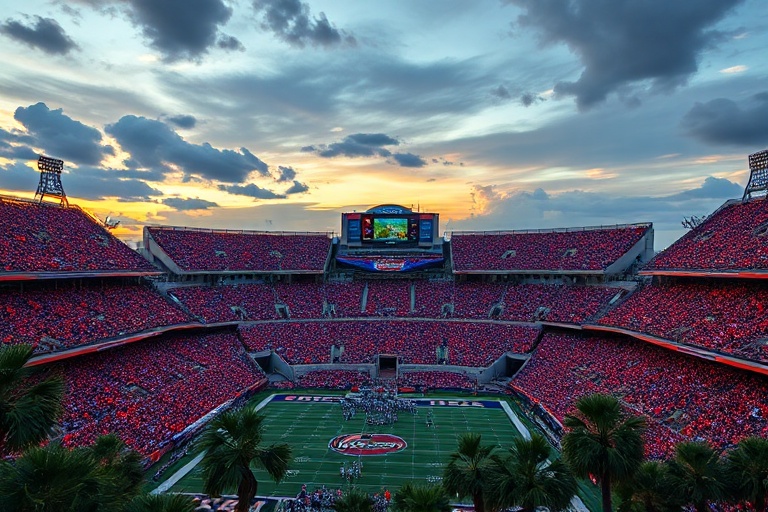
Cruzeiro and Universidad Católica: Two Titans of South American Football
When Cruzeiro Esporte Clube and Club Deportivo Universidad Católica face off, the match isn’t just a game—it’s a collision of football philosophies, regional pride, and tactical evolution. The Brazilian powerhouse, known for its attacking flair and historic success, meets the Chilean side that blends European structure with Latin American passion. This fixture, though not as globally televised as some South American derbies, carries deep significance in both clubs’ histories and the broader narrative of football in the region.
Cruzeiro, based in Belo Horizonte, is one of Brazil’s most decorated clubs, with four national championships, six Copa do Brasil titles, and two Copa Libertadores trophies. Universidad Católica, from Santiago, has carved its own path in Chilean football, holding 13 league titles and a reputation for developing talent that often moves to Europe. The contrast between the two extends beyond trophies: it reflects how football is played, celebrated, and even funded in different parts of South America.
The Tactical Divide: European Influence Meets Brazilian Flair
Universidad Católica’s style has long been associated with a more European approach. Under managers like Ariel Holan, the team has emphasized possession, high pressing, and structured build-up play. This philosophy mirrors the trends seen in leagues like La Liga, where technical precision and tactical discipline are prized. The club’s youth academy, widely regarded as one of the best in Chile, produces players who are comfortable in positional systems—something that sets them apart in a region often dominated by physicality and improvisation.
Cruzeiro, on the other hand, embodies the Brazilian tradition of attacking football. Known for its dribbling, creativity, and flair, the team often relies on individual brilliance within a fluid 4-2-3-1 formation. This style is deeply rooted in the country’s football culture, where players like Ronaldo, Ronaldinho, and more recently, players like Claudinho, have become icons for their ability to turn games with moments of magic. While Cruzeiro has experimented with more structured approaches in recent years, its identity remains tied to the joy and unpredictability of Brazilian football.
When these two styles meet, the result is often a tactical chess match. Universidad Católica’s structured approach can frustrate Cruzeiro’s wingers and attacking midfielders, while the Brazilian side’s pace and creativity can exploit gaps in Católica’s defensive line. This clash of philosophies is not just about tactics—it’s a reflection of how football evolves differently across borders.
A History of Cross-Continental Rivalries
The matches between Cruzeiro and Universidad Católica are part of a broader tradition of intercontinental football rivalries that transcend mere competition. South America has long been a hub for these encounters, where clubs from different countries face off in high-stakes tournaments like the Copa Libertadores. These fixtures are more than games; they are cultural exchanges, where players, coaches, and fans bring their unique traditions to the pitch.
The first recorded meeting between the two clubs took place in the 1990s, during a friendly or a Copa Libertadores match. While their head-to-head record is not extensive, each encounter carries weight. For Cruzeiro, victories against Chilean sides are often seen as a benchmark of their continental dominance. For Universidad Católica, beating a Brazilian giant is a statement—a way to assert their place among South America’s elite clubs.
One notable moment came in the 2010 Copa Libertadores, when Universidad Católica advanced past the group stage, eliminating Cruzeiro in the process. That result was a reminder that Chilean football, though often overshadowed by the giants of Brazil and Argentina, could compete at the highest level. It also highlighted Católica’s ability to frustrate more star-studded opponents with disciplined performances.
The Global Perspective: How South American Football Fits Into the World Stage
South American football has always occupied a unique space in the global game. While Europe’s top leagues dominate television rights and financial power, South America remains the spiritual home of football creativity. The continent has produced some of the game’s greatest talents—from Pelé to Messi—and its clubs continue to be a proving ground for young players aiming to make it in Europe.
Cruzeiro and Universidad Católica represent two distinct but equally important facets of South American football. Cruzeiro is a club that has thrived in Brazil’s competitive league, where financial disparities and the pressure to develop talent for Europe create a challenging environment. Universidad Católica, meanwhile, is a club that has balanced domestic success with a clear pathway for players to transition to European football. This duality is reflective of the broader South American football ecosystem, where clubs must navigate the tension between local pride and global ambition.
From a global perspective, fixtures like Cruzeiro vs. Universidad Católica offer a window into the evolving nature of football. They show how tactical trends spread across continents, how clubs adapt to financial pressures, and how players from different backgrounds come together to create something unique. In an era where football is increasingly globalized, these matches remind us that the soul of the game still resides in the diversity of its regional expressions.
What to Expect in Future Encounters
As both clubs continue to evolve, future matches between Cruzeiro and Universidad Católica will likely reflect broader trends in South American football. Cruzeiro’s recent struggles in the Brasileirão have led to managerial changes and a renewed focus on youth development, mirroring the challenges faced by many Brazilian clubs in the modern era. Meanwhile, Universidad Católica’s consistent performances in the Copa Libertadores and Copa Sudamericana suggest that they are on the rise, with a squad capable of competing with the continent’s best.
For fans, these matches are an opportunity to celebrate the beauty of South American football. Whether it’s Cruzeiro’s attacking prowess or Católica’s tactical discipline, each encounter offers something unique. As the global football landscape becomes more homogenized, fixtures like this serve as a reminder of the rich tapestry of styles, cultures, and histories that make football the world’s most beloved sport.
For those looking to dive deeper into the tactical nuances of South American football or the histories of these clubs, exploring the broader context of the region’s football culture can be as rewarding as watching the matches themselves. Clubs like Cruzeiro and Universidad Católica are not just competitors—they are ambassadors of a footballing tradition that continues to inspire the world.
To follow more on football’s global narratives and in-depth analyses, visit Sports on Dave’s Locker. Here, you’ll find a range of articles that explore the cultural, tactical, and historical dimensions of the game, from local derbies to international rivalries.