Dodgers vs Mets: Two Franchises, Two Coasts, One Legacy
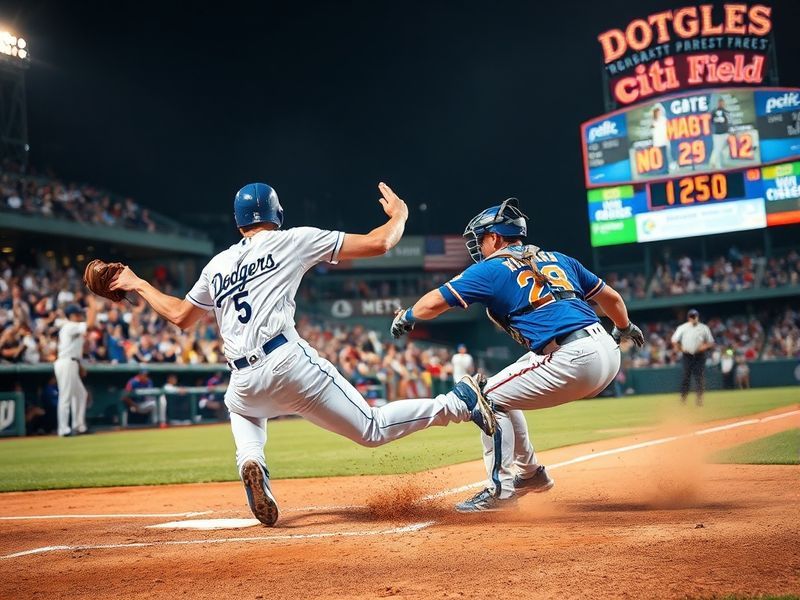
The Dodgers and Mets represent more than just two Major League Baseball teams. They embody distinct cultural identities, historical trajectories, and fanbases that stretch across continents. While the Dodgers carry the weight of Brooklyn’s grit and Los Angeles’ glamour, the Mets stand as New York’s scrappy underdogs with a flair for the dramatic. Their matchups are more than games—they are cultural exchanges that reflect the evolution of baseball’s global reach.
Since their first interleague meeting in 1962, the Dodgers and Mets have clashed in high-stakes moments that have shaped postseason narratives. From Tommie Agee’s unforgettable catches in 1969 to the infamous 1988 NLCS, these teams have delivered some of baseball’s most iconic plays. But beyond the highlights, their rivalry mirrors broader themes: the tension between tradition and innovation, the clash of urban identities, and the globalization of America’s pastime.
The Cultural Divide: Brooklyn vs. Queens
The Dodgers’ roots in Brooklyn—once the epicenter of New York’s working-class identity—still resonate in their fanbase. Jackie Robinson’s legacy, the team’s integration of baseball, and the fiery spirit of Ebbets Field remain central to their mythology. The Mets, born in Queens during the 1962 expansion, emerged as a symbol of New York’s resilience after the Dodgers and Giants left for California. Their original colors, blue and orange, were chosen to honor the city’s two defunct teams, forging an instant connection with fans who saw them as successors to a lost era.
This geographic and cultural divide extends globally. Dodgers fans span from Los Angeles’ Latino communities to Japan, where Shohei Ohtani’s recent move has reignited interest. The Mets, meanwhile, have cultivated a diverse following in New York’s boroughs, particularly among Dominican and Puerto Rican communities. Their 1986 World Series win, fueled by the likes of Darryl Strawberry and Dwight Gooden, became a defining moment for Black and Latino baseball fans in the city.
Globalization and the MLB’s Evolving Landscape
Baseball’s globalization has transformed rivalries like Dodgers vs. Mets into international spectacles. The Dodgers’ commitment to signing Japanese and Korean talent—from Hideo Nomo to Hyun-jin Ryu—has made them a global brand. The Mets, too, have embraced international scouting, with players like Pete Alonso and Francisco Lindor drawing fans from Puerto Rico and the Dominican Republic.
In cities like Tokyo and Monterrey, where baseball fandom is surging, Dodgers vs. Mets games are broadcast with the same fervor as local derbies. This expansion reflects MLB’s strategic push into markets where baseball’s influence is growing. The league’s recent initiatives, such as the London Series, suggest that cross-border rivalries like this one will only intensify.
Key Moments That Defined the Rivalry
The Dodgers and Mets have produced unforgettable moments, often in high-pressure situations. Consider this list of defining clashes:
- 1969 Miracle Mets: Tommie Agee’s two catches in the first inning of Game 3 of the World Series set the tone for New York’s improbable championship.
- 1988 NLCS: Kirk Gibson’s iconic home run off Ron Darling in Game 1 remains one of the most replayed moments in postseason history.
- 2015 Subway Series: The first regular-season meeting between the teams since 2007 featured a dramatic walk-off win for the Mets, fueled by Daniel Murphy’s postseason heroics.
- 2023 Regular Season: Shohei Ohtani’s move to the Dodgers reinvigorated interest, with the Mets and their ace, Kodai Senga, standing as a formidable foe.
These moments transcend wins and losses. They become part of baseball’s collective memory, woven into the fabric of the sport’s history. For fans in Asia, Latin America, and beyond, these games are a bridge to America’s baseball culture—a chance to see the game’s brightest stars in action.
The Fan Experience: From Stadiums to Social Media
The Dodgers and Mets represent two of baseball’s most passionate fanbases, each with distinct traditions. Dodger Stadium’s intimate setting and the team’s embrace of celebrity culture (from Vin Scully’s legendary broadcasts to Magic Johnson’s ownership) create an experience that blends nostalgia with modernity. Citi Field, meanwhile, has become a hub for community engagement, with initiatives like the Mets’ “Amazin’ Mets Foundation” focusing on youth baseball in underserved neighborhoods.
On social media, the rivalry plays out in real time. Dodgers fans rally behind the team’s analytics-driven approach, while Mets supporters often embrace the underdog narrative. Memes, viral moments, and player interactions amplify the drama, turning each matchup into a global conversation. Platforms like Twitter and TikTok have democratized fandom, allowing fans from Tokyo to Toronto to weigh in on every pitch.
This digital engagement reflects baseball’s broader shift. The sport is no longer confined to ballparks or television; it thrives in the digital realm, where rivalries like Dodgers vs. Mets become cultural touchstones. For a generation raised on streaming and social media, these games are as much about the online buzz as they are about the action on the field.
Why This Rivalry Matters Beyond Baseball
The Dodgers vs. Mets rivalry is a microcosm of baseball’s evolution. It reflects the sport’s ability to adapt, to globalize, and to remain relevant in an ever-changing cultural landscape. For fans around the world, these matchups are more than just games—they are a connection to baseball’s past, present, and future.
As MLB continues to expand its reach, rivalries like this one will only grow in significance. They are a testament to the sport’s enduring appeal, a reminder that baseball is more than a game. It’s a cultural bridge, a source of community, and a stage for some of the world’s most dramatic stories.
For those who follow the Dodgers and Mets, the rivalry is personal. For the rest of the world, it’s a window into the heart of baseball—a game that has captivated hearts from Brooklyn to Buenos Aires, from Los Angeles to Tokyo.