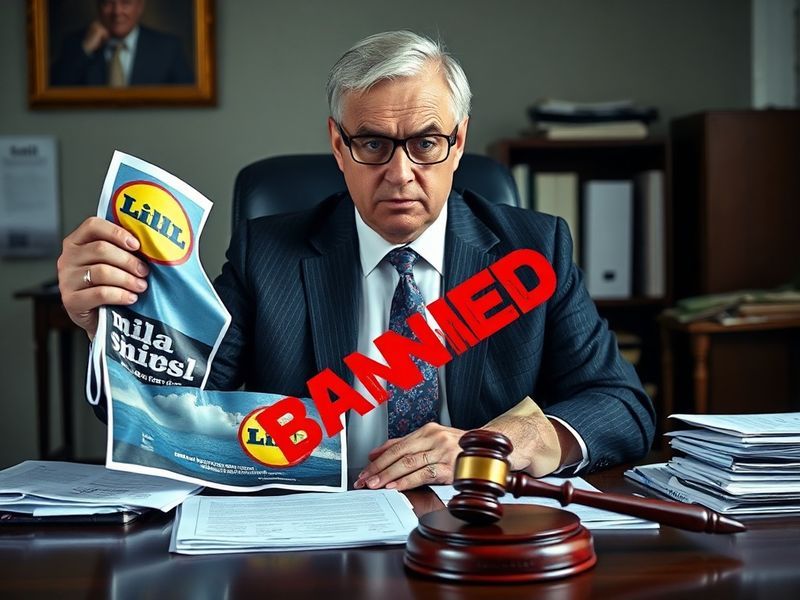
The UK Advertising Standards Authority (ASA) has banned a series of Lidl’s Christmas advertisements, ruling that they misled consumers by implying their festive products were sourced from Iceland. The decision marks one of the most high-profile cases in recent years regarding supermarket advertising practices, raising broader questions about transparency in food marketing.
This isn’t just a legal footnote—it’s a signal that regulators are taking a harder look at how retailers present their products. For Lidl, the ruling is a setback in a competitive holiday season where every detail of a campaign can sway shoppers. For the rest of the industry, it’s a reminder that even well-intentioned branding can cross legal lines.
What Happened in the Lidl Ads?
The controversy began when Lidl launched its Christmas campaign, featuring imagery of snowy landscapes and references to Iceland, alongside products like smoked salmon and skyr yogurt. The ASA received multiple complaints arguing that the ads suggested these items were sourced directly from Iceland, when in reality, they were produced elsewhere but sold under Lidl’s own-brand label.
The regulator sided with the complainants, concluding that the ads were likely to mislead consumers about the origin of the products. In its ruling, the ASA stated that the visuals and messaging created a “strong association” with Iceland, despite the products not being sourced there. The decision has forced Lidl to pull the ads and reconsider how it frames its supply chains in future campaigns.
Key Takeaways from the ASA’s Ruling
- Visual cues matter: Even without explicit claims, imagery can imply a product’s origin.
- Consumer trust is fragile: Misleading associations can erode credibility, especially during peak shopping seasons.
- Regulators are watching: The ASA is increasingly scrutinizing supermarket ads for deceptive practices.
- Supply chain transparency is critical: Retailers must ensure their marketing aligns with sourcing realities.
Why This Case Matters Beyond Lidl
The ban isn’t just about one supermarket—it’s part of a growing trend where advertising regulators are clamping down on vague or exaggerated claims. Supermarkets often use idyllic imagery (think Swiss Alps for cheese or Italian vineyards for wine) to evoke quality, even when products are sourced elsewhere. The ASA’s decision suggests this tactic may no longer fly without clear disclaimers.
This case also intersects with broader consumer trends. Shoppers are increasingly demanding transparency about where their food comes from, particularly for products marketed as premium or artisanal. A misleading ad doesn’t just risk legal trouble—it can damage a brand’s reputation in an era where authenticity is a key selling point.
For Lidl, the ruling is a cautionary tale. The retailer has built its brand on affordability and quality, and being seen as deceptive could undermine that positioning. Competitors like Aldi and Tesco will be watching closely to see how Lidl adapts its future campaigns.
The Broader Implications for Supermarket Advertising
The ASA’s decision sets a precedent that could ripple across the retail industry. Supermarkets will now need to tread carefully when using landscapes, flags, or other cues that imply a product’s origin. If a yogurt ad features a Greek flag, for example, regulators may expect clear language confirming the product’s origin—or risk similar bans.
This isn’t the first time the ASA has taken aim at supermarket ads. In 2020, it banned several Tesco campaigns for misleading claims about “freshly baked” bread. The pattern suggests a tightening of rules around how food is marketed, particularly as consumers grow more skeptical of corporate messaging.
For smaller retailers and independent brands, the ruling could level the playing field. Big supermarkets have the budgets for elaborate campaigns, but if those campaigns are deemed deceptive, they lose their advantage. Smaller players who prioritize transparency may find themselves at an advantage, especially as shoppers increasingly prioritize ethical sourcing.
What Should Supermarkets Do Next?
- Audit their campaigns: Review all visuals and language to ensure they don’t imply false origins.
- Use clear disclaimers: If a product isn’t sourced from a place depicted in ads, state that explicitly.
- Invest in supply chain transparency: Consumers are more likely to trust brands that provide verifiable sourcing details.
- Monitor ASA rulings: Stay updated on regulatory trends to avoid similar pitfalls.
Looking Ahead: Will Other Retailers Face Similar Bans?
The Lidl case is likely just the beginning. As regulators sharpen their focus on misleading advertising, other supermarkets may find themselves under scrutiny. The ASA has already signaled that it’s paying closer attention to environmental and ethical claims, so retailers using terms like “sustainably sourced” or “locally produced” will need to back them up with evidence.
For consumers, the ruling is a win. It reinforces the idea that they can trust the claims made in ads—or at least demand better justification. For brands, it’s a reminder that authenticity isn’t optional—it’s a necessity.
Lidl has already complied with the ban, removing the ads and issuing a statement about its commitment to clarity. Whether this move will satisfy regulators or lead to further challenges remains to be seen. What’s clear, however, is that the era of vague, evocative supermarket ads may be coming to an end.
In an industry where every percentage point of market share counts, the stakes have never been higher. The question now is: Will supermarkets adapt, or will they keep testing the boundaries of what’s acceptable?
One thing is certain—the ASA is watching, and the rules are getting stricter.
For more on retail trends and advertising regulations, explore our Trending and News sections.