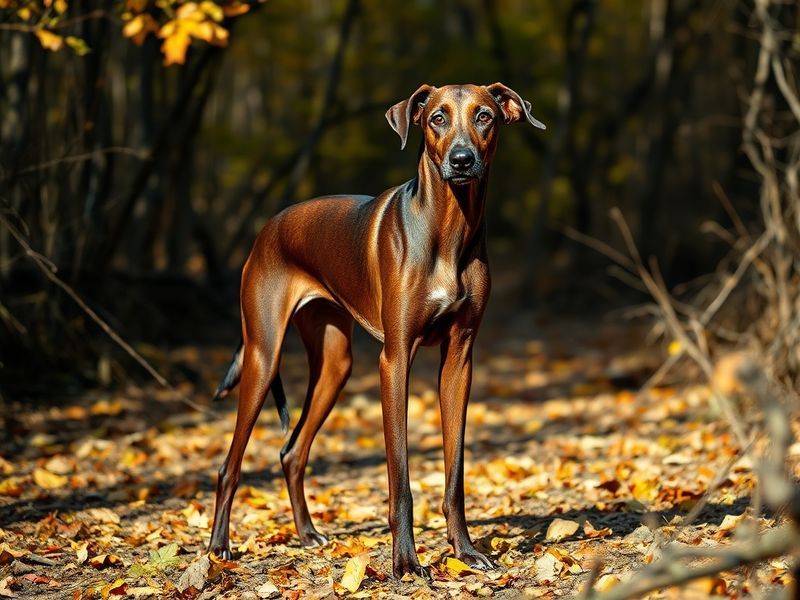
The lurcher dog remains one of the most misunderstood yet fascinating breeds in the canine world. Often overshadowed by its more famous cousin, the greyhound, the lurcher carries a rich heritage that stretches back centuries across multiple continents. These dogs were not bred for show rings or pedigree certificates but for practical purpose: speed, intelligence, and adaptability in the field.
What exactly defines a lurcher? Unlike purebred dogs governed by strict breed standards, a lurcher is typically a crossbreed—most commonly between a sighthound like a greyhound or saluki and a working or herding breed such as a collie or terrier. This combination creates a dog that inherits the sighthound’s keen eyesight and speed, paired with the endurance and cunning of a working dog. The result is a versatile animal capable of hunting, companionship, and even herding in some cases.
The Origins of the Lurcher: A Breed Born from Necessity
The history of the lurcher is deeply rooted in the rural economies of the British Isles. During the Middle Ages, poaching was widespread in England and Ireland, but only the wealthy could afford purebred greyhounds. Poachers and working-class hunters needed a dog that could chase and catch game without the aristocratic restrictions. Enter the lurcher—a dog that could be bred secretly, using whatever crosses were available.
In Ireland, lurchers became especially popular among farmers and laborers. They were often referred to as “poor man’s greyhound,” a nod to their humble origins. These dogs were valued for their ability to hunt hares, rabbits, and even foxes over long distances. Their speed and agility made them nearly unbeatable in the field, while their mixed ancestry gave them resilience to harsh weather and poor living conditions.
Across Europe, similar crosses existed under different names. In Spain, dogs resembling lurchers were used by shepherds to guard flocks from predators. In Eastern Europe, sighthound crosses were common among traveling Romani communities, who relied on them for hunting and protection. The lurcher, therefore, is not just a British phenomenon—it is a global testament to human ingenuity in adapting animals to local needs.
Physical and Temperamental Traits: What Makes a Lurcher Unique
Lurchers come in a wide variety of shapes, sizes, and coat types, reflecting their diverse genetic backgrounds. Physically, they often inherit the lean, athletic build of a sighthound, with a deep chest and long legs built for speed. Their coats can range from short and smooth to wiry and weather-resistant, depending on the breeds used in the cross. Colors vary just as widely—from solid blacks and whites to brindles, tans, and even spotted patterns.
Temperamentally, lurchers are known for their intelligence, sensitivity, and strong bond with humans. Unlike some purebred sighthounds that can be aloof or overly independent, lurchers tend to be more socially oriented. They are often quick learners, eager to please, and highly attuned to their owner’s emotions. This makes them exceptional companions, not just hunters.
However, their strong prey drive remains a defining characteristic. Even well-trained lurchers may need secure fencing or leashes when outdoors, as their instinct to chase small animals can override recall commands. Socialization from an early age is crucial to ensure they coexist peacefully with other pets.
- Speed: Capable of reaching 35–40 mph, making them fast enough to catch hares and rabbits.
- Endurance: Built for long hunts, often covering several miles in a single outing.
- Adaptability: Thrive in both rural and suburban settings if given enough exercise.
- Loyalty: Form deep attachments to their families and are known to be gentle with children.
- Low Grooming Needs: Most lurchers have short coats requiring minimal maintenance.
Lurchers Around the World: Cultural Roles and Modern Status
While the lurcher’s origins lie in Europe, its influence has spread globally. In Australia, lurcher-type dogs are used by farmers to control pests such as kangaroos and foxes in rural areas. Their speed and agility make them ideal for managing wildlife that larger herding dogs might struggle with. Similarly, in parts of North America, sighthound crosses are gaining popularity among eco-conscious hunters who prefer sustainable, low-impact methods of pest control.
In India, sighthound breeds like the mudhol hound have been crossed with local dogs to create hybrids that can navigate the rugged terrain of the Deccan Plateau. These dogs are prized for their ability to hunt in extreme heat and over rocky landscapes where imported breeds might falter. The adaptability of the lurcher concept proves invaluable in regions where imported breeds struggle to acclimate.
Even in urban environments, lurchers are finding new roles. Their calm demeanor indoors, combined with their love for short bursts of high-energy activity, makes them well-suited for city life—provided their owners commit to regular exercise. Dog racing enthusiasts have also embraced lurchers in amateur coursing events, where their natural abilities shine without the commercial trappings of professional racing.
Despite their practical benefits, lurchers still face challenges in some regions. In countries where pedigree breeding is highly regulated, lurchers may be overlooked in favor of recognized breeds. However, animal welfare organizations and sighthound rescue groups are increasingly advocating for these dogs, highlighting their intelligence, health, and adaptability as major advantages over inbred purebreds prone to genetic disorders.
The Future of the Lurcher: Tradition Meets Modernity
As society shifts toward more sustainable and ethical pet ownership, the lurcher is poised to gain even greater recognition. Their mixed ancestry often translates to fewer health issues compared to purebred dogs, which suffer from conditions like hip dysplasia, bloat, and heart disease. Responsible breeding practices emphasize pairing healthy sighthounds with robust working breeds, resulting in puppies with robust constitutions.
Moreover, the lurcher embodies the growing trend of “designer crossbreeds” that prioritize function and temperament over arbitrary breed standards. While some kennel clubs remain hesitant to fully embrace mixed breeds, the public’s appetite for intelligent, adaptable, and healthy dogs continues to grow.
For those considering a lurcher, adoption is often the best option. Many sighthound rescue organizations have lurchers in need of homes, as these dogs are frequently abandoned when their owners underestimate their exercise needs or prey drive. Adopting a lurcher not only saves a life but also supports the preservation of this historic and valuable breed type.
In the end, the lurcher represents more than just a dog—it is a living link to humanity’s long-standing partnership with canines. From the poachers’ allies of medieval England to the modern-day pest controllers of rural Australia, lurchers have adapted, survived, and thrived alongside humans. Their story is one of resilience, ingenuity, and quiet heroism, written not in pedigrees but in the fields and homes they’ve served for centuries.
For more insights into working dog breeds and their cultural significance, explore our Culture section.
Interested in other fast, intelligent breeds? Check out our guide to Sports and Performance Dogs.