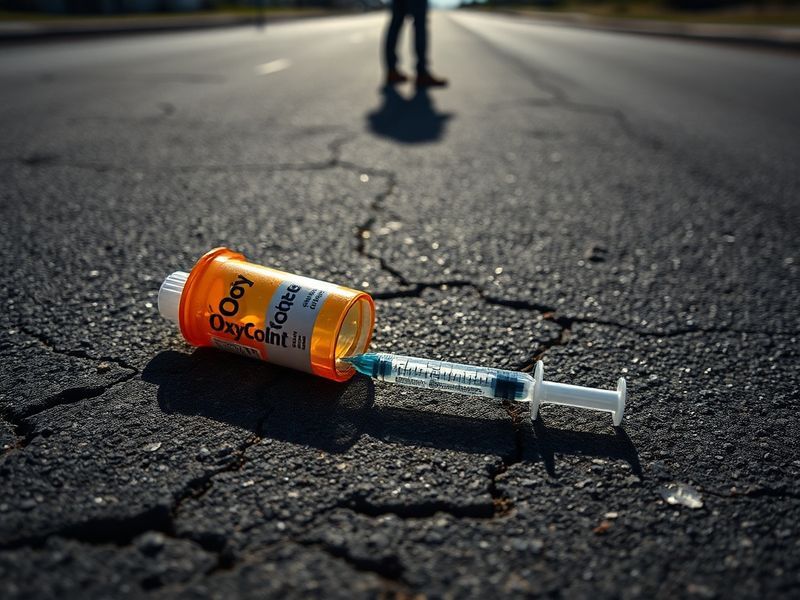
overdose
“`html
Understanding the Global Overdose Crisis
The overdose epidemic is not confined to any single country or demographic. It spans continents, affecting urban centers and rural communities alike. According to the World Health Organization, over 500,000 people die annually from drug overdoses worldwide, with opioids accounting for the majority of these deaths. The crisis has evolved in recent decades, shifting from prescription medications to synthetic drugs like fentanyl, which is 50 times more potent than heroin.
Behind these statistics are individual stories of addiction, loss, and resilience. Families are torn apart as loved ones struggle with dependency, while healthcare systems strain under the weight of treatment demands. The overdose crisis is a multifaceted issue, intertwining public health, economics, and social policy. Understanding its global dimensions requires examining regional variations, cultural attitudes toward drug use, and the effectiveness of harm reduction strategies.
The Opioid Epidemic: A North American Perspective
North America has been particularly hard-hit by the opioid crisis, which escalated dramatically in the early 2000s. The widespread availability of prescription painkillers like OxyContin led to a surge in addiction rates. When regulations tightened, many users turned to illicit opioids such as heroin and fentanyl, exacerbating the problem. In the United States alone, overdose deaths involving opioids increased fivefold between 1999 and 2020.
Canada has faced similar challenges, though its approach to harm reduction has been more progressive. Cities like Vancouver and Toronto have implemented supervised injection sites and distribution of naloxone, a medication that reverses opioid overdoses. These measures have saved countless lives, yet the crisis persists. The opioid epidemic in North America highlights the need for comprehensive treatment programs, decriminalization debates, and equitable access to healthcare.
Europe’s Diverse Responses to Drug Overdoses
Europe presents a more varied landscape in addressing overdose deaths. Countries like Portugal and Switzerland have adopted harm reduction strategies, including safe injection sites and heroin-assisted treatment. These policies have yielded positive results. Portugal, for instance, decriminalized all drugs in 2001 and saw a significant drop in overdose fatalities and HIV infections among intravenous drug users.
In contrast, Eastern European nations like Russia and Belarus maintain strict drug policies, focusing on punishment rather than rehabilitation. These countries report higher overdose rates, often linked to the use of homemade opioids and lack of access to naloxone. The European Union’s approach is a patchwork of policies, reflecting cultural and political differences. While some nations prioritize public health, others emphasize law enforcement, creating an uneven response to the crisis.
The Silent Crisis in Asia and the Middle East
Asia and the Middle East often receive less attention in global overdose discussions, yet the problem is severe. In Afghanistan, one of the world’s largest producers of opium, heroin addiction rates have skyrocketed, fueled by decades of conflict and poverty. The Taliban’s recent ban on opium cultivation has disrupted supply chains but left many dependent users without access to treatment.
In the Middle East, countries like Iran and Saudi Arabia face growing opioid abuse, particularly among young men. Synthetic drugs such as tramadol and methamphetamine are increasingly prevalent. Governments in the region often respond with punitive measures, though some, like Iran, have begun exploring harm reduction programs. The cultural stigma surrounding addiction in many Asian and Middle Eastern societies complicates efforts to address the issue openly.
Cultural Attitudes and the Stigma of Addiction
Cultural perceptions of drug use play a critical role in shaping overdose rates and responses. In some societies, addiction is viewed as a moral failing rather than a health issue, discouraging individuals from seeking help. For example, in parts of Africa and South Asia, traditional beliefs about mental health and substance abuse can hinder access to treatment.
In contrast, countries with more progressive drug policies, such as the Netherlands and Portugal, treat addiction as a public health concern. This shift in perspective has led to lower overdose rates and improved recovery outcomes. Changing cultural attitudes requires education, destigmatization campaigns, and policies that prioritize compassion over punishment.
The Role of Synthetic Drugs in Modern Overdose Deaths
Synthetic drugs have transformed the overdose landscape. Fentanyl, a pharmaceutical painkiller, is now the leading cause of overdose deaths in the United States. Its potency makes it deadly even in small doses, and it is often mixed into other drugs without users’ knowledge. The rise of fentanyl has been linked to increased trafficking from Mexico and China, where precursors are readily available.
Other synthetic drugs, such as methamphetamine and MDMA, also contribute to overdose fatalities. These substances are often manufactured in clandestine labs, making their potency and purity unpredictable. The global trade in synthetic drugs is difficult to regulate, posing a significant challenge for law enforcement and public health officials. Addressing this issue requires international cooperation, stricter precursor controls, and harm reduction strategies.
Harm Reduction and Policy Innovations
Harm reduction has emerged as a key strategy in combating overdoses. Programs like needle exchanges, supervised injection sites, and naloxone distribution have proven effective in reducing deaths. These initiatives focus on minimizing the negative consequences of drug use rather than insisting on abstinence. Critics argue that harm reduction enables addiction, but data suggests it saves lives and provides a pathway to treatment.
Some countries have taken bold steps to integrate harm reduction into national drug policies. In 2021, the state of Oregon in the U.S. decriminalized small amounts of all drugs, redirecting funds from law enforcement to addiction treatment and recovery programs. While the policy is still in its early stages, early reports indicate a reduction in overdose deaths in some areas. Similarly, countries like Germany and Canada have expanded access to opioid agonist therapy, which uses medications like methadone to stabilize users and reduce cravings.
Despite these successes, political and ideological opposition often stymies harm reduction efforts. Religious groups, conservative policymakers, and some medical professionals argue that such programs send the wrong message. However, the evidence is clear: harm reduction works. The challenge lies in convincing skeptics and implementing these strategies on a larger scale.
A Call for Global Cooperation
The overdose crisis is a global problem that demands a global response. International organizations like the United Nations Office on Drugs and Crime (UNODC) have called for greater collaboration among nations to address drug trafficking, precursor control, and addiction treatment. However, geopolitical tensions and differing priorities often hinder these efforts.
One area of potential progress is the sharing of best practices. Countries that have successfully reduced overdose deaths can serve as models for others. For example, Switzerland’s heroin-assisted treatment programs have inspired similar initiatives in Canada and Australia. Expanding these programs and tailoring them to local contexts could save countless lives.
Public awareness is also crucial. Misconceptions about addiction and drug use perpetuate stigma and prevent people from seeking help. Media campaigns, education in schools, and open conversations about mental health can shift perceptions and foster a more compassionate approach to addiction.
Conclusion: Moving Forward Together
The overdose crisis is a complex and evolving challenge, but it is not insurmountable. Progress requires a shift in how societies view addiction—from a moral failing to a health issue—and a commitment to evidence-based policies. Harm reduction, decriminalization debates, and international cooperation are not just idealistic goals; they are practical steps toward saving lives.
As the world grapples with this crisis, the stories of those affected must remain at the forefront. Every overdose death is a tragedy, but every life saved is a victory. By learning from one another and prioritizing health over punishment, we can turn the tide on this epidemic and offer hope to millions.
—
METADATA
{
“title”: “Global Overdose Crisis: How Synthetic Drugs and Policy Shape Addiction”,
“metaDescription”: “Explore the global overdose epidemic, from North America to Asia, and how harm reduction policies could save millions.”,
“categories”: [“Health”, “Analysis”],
“tags”: [“opioid crisis”, “fentanyl deaths”, “drug policy”, “harm reduction”, “global addiction”],
“imageDescription”: “A dimly lit alleyway with a single streetlamp illuminating a discarded syringe and a naloxone kit on the pavement. In the background, a health worker in scrubs kneels beside an unconscious person, while a crowd of blurred figures watches from a distance. The scene captures urgency, compassion, and the stark reality of the overdose crisis.”
}
—END METADATA—
“`