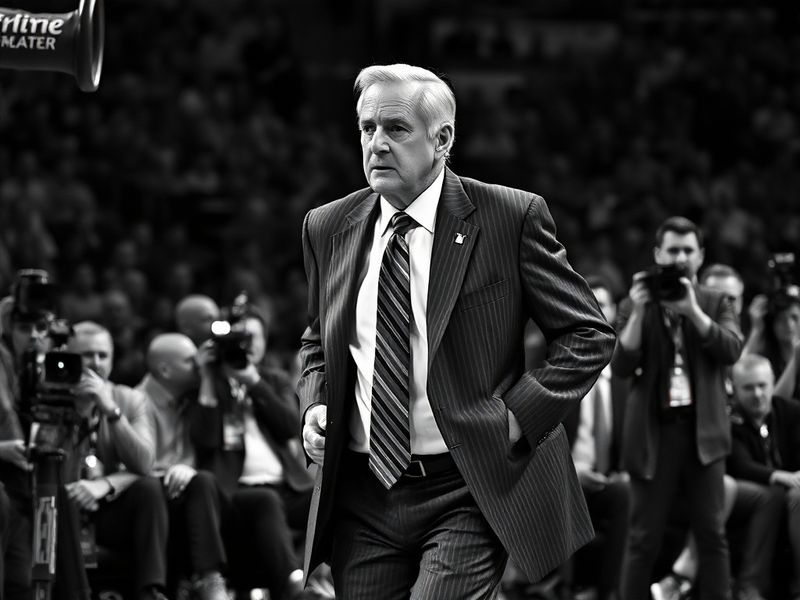
For nearly five decades, Pat Riley has shaped the NBA landscape more than any executive or coach in modern basketball history. His fingerprints are all over six championship dynasties across two franchises, a record that places him in a league of his own. Riley’s career—spanning roles as a player, broadcaster, coach, and executive—reflects a relentless pursuit of excellence that has left an indelible mark on professional sports.
The Early Years: From Player to Coach
Born in Rome, New York, in 1945, Riley’s basketball journey began at the University of Kentucky under legendary coach Adolph Rupp. He was a standout guard, leading the Wildcats to the 1966 NCAA Championship. Drafted in 1967, Riley played nine seasons in the NBA with the San Diego Rockets, Portland Trail Blazers, and Los Angeles Lakers. Though not a superstar, he developed a reputation as a hard-nosed competitor and sharp student of the game.
Riley’s transition from player to coach began in 1977 when he joined the Lakers as a broadcaster. His insight and charisma caught the attention of then-coach Jerry West, who brought him onto the staff as an assistant in 1979. That year marked the beginning of Riley’s rise to coaching prominence, as he helped guide the “Showtime” Lakers to five NBA Finals appearances in the 1980s, including championships in 1980, 1982, and 1985.
A Coaching Legacy Forged in Showtime
Riley’s coaching philosophy was built on discipline, intensity, and adaptability. He demanded excellence not just from his players but from himself, earning the nickname “The Man with the Plan.” His ability to blend star power with system-based play defined the Lakers’ golden era. Under Riley, the team became known for its fast break, unselfish offense, and psychological dominance.
In 1988, Riley coached the Lakers to a fourth championship, and in a move that would define his legacy, he walked off the court barefoot to celebrate—symbolizing both triumph and a release of pent-up pressure. That moment, captured in iconic photographs, became a visual shorthand for his fiery leadership.
The Heat Era: Rebuilding a Franchise and a City
In 1995, Riley made a bold decision to leave the Lakers and join the Miami Heat as both president and head coach. The franchise had never won more than 50 games in a season. Riley set out to change that by instilling the same culture of accountability and teamwork he had championed in Los Angeles. His first year was modest, but by 1997, he had led the Heat to the NBA Finals, marking the quickest turnaround in league history for a coach at the time.
Riley’s greatest achievement in Miami came in 2006, when he guided a young Dwyane Wade and an aging Shaquille O’Neal to the franchise’s first championship. The victory was a testament to Riley’s ability to rebuild through both draft savvy and veteran leadership. It also cemented his reputation as a leader who could transform organizations from underdogs to champions.
The Art of the Roster: Riley’s Front Office Mastery
While Riley’s coaching accolades are well-documented, his front office work may be his most enduring contribution. As president of basketball operations for the Heat, he orchestrated a series of moves that kept the team competitive for over a decade. Some of his most notable decisions include drafting LeBron James, Chris Bosh, and Dwyane Wade in 2010—forming the “Big Three” that won two more championships in 2012 and 2013.
Riley’s approach to roster construction blended analytics with intuition. He prioritized player development, chemistry, and versatility, often signing undervalued talents who fit Miami’s culture. His ability to manage egos and maintain stability in an era of player empowerment set him apart from peers.
Leadership Beyond the Court: The Riley Effect
Riley’s influence extends beyond Xs and Os. He pioneered the concept of “team first” culture in an era dominated by individual stardom. His leadership style—equal parts demanding and inspiring—created environments where players thrived under pressure. Players like Kobe Bryant, Tim Duncan, and LeBron James have all credited Riley with shaping their careers and approach to the game.
His famous “disease of me” speech, delivered to the 2006 Heat, remains one of the most quoted locker room moments in sports history. In it, Riley warned against selfishness and emphasized the power of collective effort—a message that resonated far beyond basketball.
A Lifetime of Recognition
Riley’s contributions have been recognized with numerous honors, including nine NBA championships as a coach and executive. He is a 1996 inductee into the Naismith Basketball Hall of Fame and has been named NBA Coach of the Year three times. In 2023, he was honored with the NBA Lifetime Achievement Award, a fitting tribute to a career that has spanned over 50 years in the league.
Yet, Riley remains as active as ever. Now in his eighth decade, he continues to shape the Miami Heat’s future, balancing tradition with innovation. His ability to adapt to the evolving NBA landscape—from the physical play of the 1990s to the three-point revolution of today—demonstrates a rare consistency of vision.
Legacy and Influence on Modern Basketball
Riley’s career offers lessons in leadership, adaptability, and the importance of culture in high-performance environments. His emphasis on teamwork over individualism influenced a generation of coaches and executives, from Gregg Popovich to Daryl Morey. The “Heat Culture” he established is now a blueprint for sports franchises across leagues.
For aspiring leaders in sports or business, Riley’s journey underscores the value of preparation, resilience, and staying true to core principles—even as the world around you changes.
As the NBA continues to evolve, Pat Riley remains a constant: a builder, a winner, and a reminder that greatness is not just about talent, but about the systems and cultures that unlock it.
For more on legendary sports figures shaping the game today, visit our Sports section or explore insights on coaching philosophies in our Analysis category.