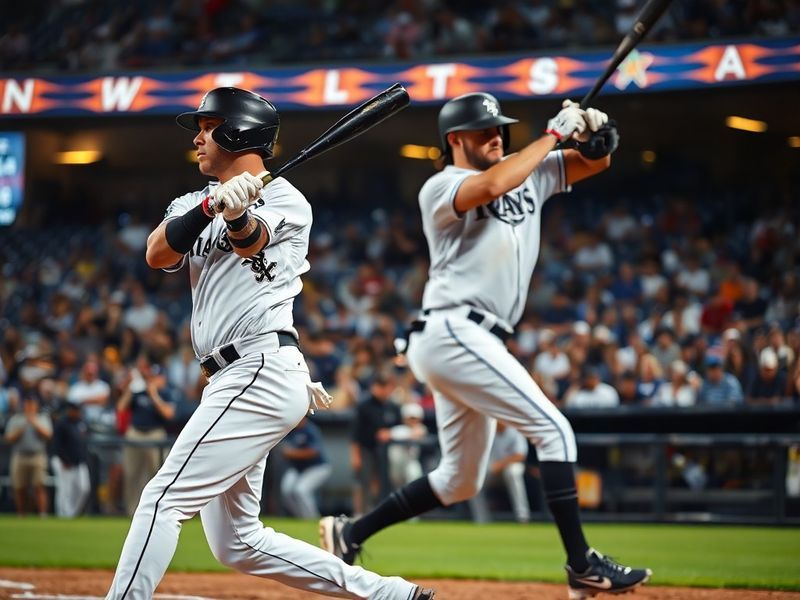
The Tampa Bay Rays and Chicago White Sox represent two distinct baseball cultures separated by geography, history, and fan expectations. While neither team carries the storied legacy of the Yankees or Red Sox, their matchups highlight the evolving nature of Major League Baseball on a global stage. The Rays, often seen as underdogs, have built a reputation through analytics and resilience, while the White Sox, with their rich history in the Windy City, bring a mix of tradition and modern ambition.
This rivalry extends beyond the diamond. It reflects broader trends in baseball’s internationalization, fan engagement, and team strategy. As MLB continues to expand its global footprint, teams like the Rays and White Sox play a crucial role in shaping the sport’s future. Their games are not just contests; they are cultural exchanges that resonate with diverse audiences worldwide.
The Rise of the Tampa Bay Rays: Analytics and Adaptation
The Tampa Bay Rays have long been defined by their ability to do more with less. Since their inception in 1998, the franchise has operated with one of the smallest payrolls in baseball, yet they have consistently remained competitive. This success is largely attributed to their pioneering use of analytics and innovative player development strategies. The Rays’ front office, led by executives like Erik Neander and former GM Matthew Silverman, has embraced data-driven decision-making long before it became a league-wide trend.
Their approach extends beyond traditional metrics. The Rays have experimented with unconventional strategies, such as the “opener” pitching concept and defensive shifts, which have influenced how teams across MLB operate today. This willingness to challenge norms has earned them both admiration and criticism, but it has undeniably kept them relevant in an era where financial disparities often dictate success.
Culturally, the Rays have also carved out a niche in Florida’s diverse sports landscape. While the state is dominated by football and basketball, the Rays have cultivated a loyal fanbase by fostering community engagement and offering affordable ticket options. Their home ballpark, Tropicana Field, may lack the charm of historic stadiums, but it has become a symbol of the team’s identity—a place where creativity and perseverance thrive.
The Chicago White Sox: Tradition Meets Modern Ambition
The Chicago White Sox, founded in 1901, carry a legacy that predates most MLB franchises. Their history is marked by triumphs, such as their 2005 World Series victory, and controversies, including the 1919 Black Sox scandal. In many ways, the White Sox embody the grit and resilience of Chicago itself—a city known for its toughness and unapologetic attitude. Their fanbase, one of the most passionate in baseball, expects results, and the team’s recent investments reflect that demand.
Under the ownership of Jerry Reinsdorf, the White Sox have transitioned from a period of mediocrity to one of high expectations. The arrival of stars like José Abreu, Tim Anderson, and Dylan Cease has revitalized the franchise, drawing comparisons to the golden era of the 1990s. The team’s aggressive approach to free agency and trades signals a commitment to competing at the highest level, even as they navigate the challenges of playing in a two-team city.
Culturally, the White Sox occupy a unique space in Chicago. While the Cubs often steal the spotlight, the White Sox represent the city’s working-class roots. Their ballpark, Guaranteed Rate Field, may not have the historic allure of Wrigley Field, but it serves as a gathering place for South Side communities. The team’s identity is deeply intertwined with Chicago’s blue-collar ethos, making them a symbol of resilience and local pride.
Key Differences in Team Philosophy
The Rays and White Sox differ fundamentally in their approaches to building a winning team. While the Rays prioritize cost efficiency and innovation, the White Sox are willing to spend big to acquire top talent. This contrast is evident in their roster construction, where the Rays rely on homegrown players and undervalued acquisitions, while the White Sox invest heavily in free agents and prospects with high upside.
Another key difference lies in their fan engagement strategies. The Rays have embraced a more inclusive, community-driven model, while the White Sox have leaned into their storied past to attract a broader audience. Both approaches have their merits, but they highlight the diverse ways in which MLB teams connect with their fanbases.
Global Baseball: How the Rays and White Sox Fit Into MLB’s International Expansion
Major League Baseball has increasingly looked beyond the borders of the United States to grow its fanbase. The Rays and White Sox, while not traditionally seen as global brands, play a role in this expansion. The Rays, for instance, have participated in MLB Mexico Series games, introducing their brand of baseball to new audiences. Meanwhile, the White Sox have a long history of international scouting, particularly in Latin America, which has helped them build competitive rosters.
Baseball’s global appeal is undeniable, with leagues in Japan, South Korea, and Latin America producing talent that now dominates MLB rosters. The Rays and White Sox, though based in the U.S., benefit from this international pipeline. Players like Randy Arozarena (Rays) and Luis Robert (White Sox) exemplify how global talent has reshaped the league.
Moreover, the digital age has transformed how fans engage with the sport. Social media platforms allow teams like the Rays and White Sox to reach audiences in Europe, Asia, and beyond. Highlights, player interviews, and behind-the-scenes content are shared instantly, breaking down cultural barriers and making baseball a truly global phenomenon.
Cultural Exchange on the Field
When the Rays and White Sox take the field, they bring together players from diverse backgrounds. The Rays’ roster often includes Latin American players, while the White Sox have a strong tradition of developing talent from Puerto Rico and the Dominican Republic. These matchups are not just about wins and losses; they are celebrations of cultural exchange.
For example, the Rays’ Randy Arozarena, a Cuban defector turned MLB star, has become a symbol of baseball’s global reach. His success story resonates with fans in Latin America and beyond, reinforcing the idea that baseball is a sport without borders.
What Fans Can Expect from This Rivalry
When the Tampa Bay Rays face off against the Chicago White Sox, fans are treated to a clash of styles. The Rays bring a cerebral, analytical approach, while the White Sox rely on power and athleticism. These matchups often feature strategic depth, with managers like Kevin Cash and Pedro Grifol making bold decisions to gain an edge.
The rivalry also extends to the fan experience. Rays fans appreciate the team’s underdog mentality and innovative spirit, while White Sox fans demand excellence and tradition. These contrasting expectations create a dynamic atmosphere whenever the two teams meet.
For sports enthusiasts, these games offer more than just entertainment. They provide a glimpse into the evolving nature of baseball, where analytics, international talent, and fan engagement intersect. Whether you’re a die-hard baseball fan or a casual observer, the Rays vs. White Sox matchups are a testament to the sport’s enduring appeal.
Conclusion: More Than Just a Game
The Tampa Bay Rays and Chicago White Sox may not have the storied histories of baseball’s elite franchises, but their rivalry encapsulates the modern spirit of the sport. Through innovation, cultural exchange, and a commitment to excellence, both teams are shaping the future of baseball on a global scale.
For fans, these matchups are about more than just wins and losses. They represent the diversity, resilience, and creativity that define baseball today. As MLB continues to expand its global reach, teams like the Rays and White Sox will play a crucial role in defining the sport’s next chapter.
Whether you’re cheering from the stands of Tropicana Field or Guaranteed Rate Field, one thing is clear: the Rays vs. White Sox rivalry is a celebration of baseball’s enduring power to unite and inspire.
For more insights into the world of sports, stay tuned to Dave’s Locker for in-depth analysis and updates.