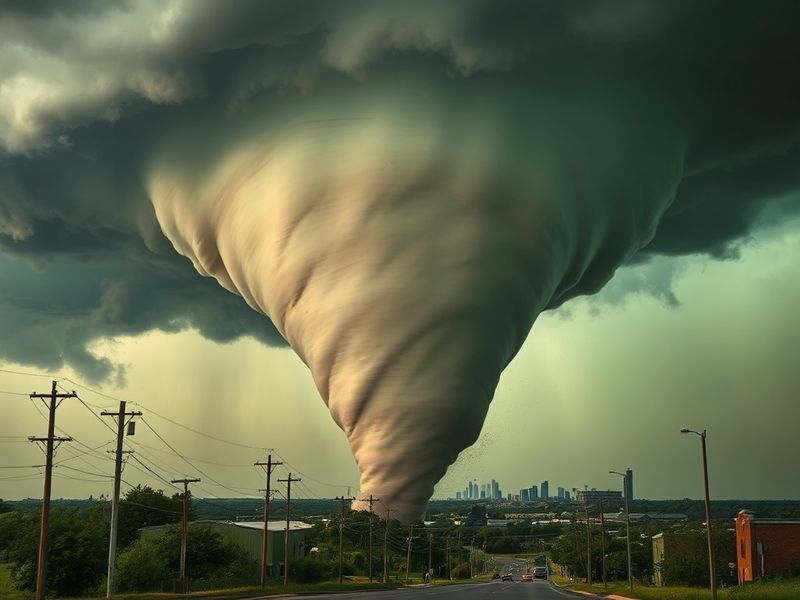
The city of Tulsa, Oklahoma, has faced its share of severe weather over the years, but few events match the intensity and suddenness of a tornado. On May 6, 2024, a powerful tornado tore through parts of Tulsa County, leaving a trail of destruction and prompting swift emergency responses. This event serves as a reminder of the region’s vulnerability to extreme weather and the importance of preparedness.
The National Weather Service later classified the twister as an EF-3, with winds reaching up to 150 miles per hour. It carved a path roughly 12 miles long and 300 yards wide, damaging homes, businesses, and infrastructure. The storm’s timing—occurring in the late afternoon—caught many residents off guard as they were heading home from work or school.
How the Tornado Formed
Tornadoes in Oklahoma are not uncommon, particularly during the spring and early summer months when warm, moist air from the Gulf of Mexico collides with cooler, dry air from the north. The atmospheric conditions on May 6 were especially volatile, with strong wind shear and instability fueling thunderstorm development. The storm that produced the tornado began as a supercell thunderstorm, a type known for its rotating updrafts that can spawn tornadoes.
Meteorologists observed the storm intensifying rapidly, with radar signatures indicating a strong mesocyclone—a rotating thunderstorm—that often precedes tornado formation. The tornado touched down near the intersection of 101st Street and Peoria Avenue, where it began uprooting trees and flipping vehicles. As it moved northeast, it intensified, causing the most significant damage in residential areas near Broken Arrow.
Local forecasters had issued tornado watches and warnings hours before the storm hit, but the sheer speed of its formation left little time for some residents to react. Social media lit up with videos of the funnel cloud as it descended, showing the eerie beauty and terrifying power of nature at its most unpredictable.
The Immediate Aftermath
The tornado’s impact was immediate and devastating. Emergency services received over 200 calls within the first hour, with reports of injuries, structural collapses, and gas leaks. First responders worked through the night to clear debris, rescue those trapped, and establish temporary shelters for displaced residents. The hardest-hit neighborhoods, such as those near 145th East Avenue, saw entire roofs torn off homes and power lines snapped like twigs.
Hospitals in the area, including St. Francis Hospital, prepared for an influx of patients, treating injuries ranging from cuts and bruises to more serious trauma. Utility companies reported over 20,000 customers without power in the storm’s wake, with restoration efforts beginning the next morning. Schools and businesses remained closed the following day as crews assessed the damage.
One of the most harrowing accounts came from a resident on 135th Street, who described watching the tornado lift a neighbor’s car off the ground before dropping it into a neighbor’s backyard. Miraculously, no fatalities were reported, though several people suffered critical injuries. The absence of loss of life was attributed in part to the tornado’s path avoiding densely populated areas and the advance warnings issued by the National Weather Service.
Community Response and Recovery Efforts
In the days following the tornado, Tulsa’s community rallied together to support those affected. Local churches, charities, and volunteer organizations organized donation drives for food, clothing, and building supplies. The Tulsa Community Foundation set up a disaster relief fund, which quickly surpassed $500,000 in donations. Residents opened their homes to displaced neighbors, and local businesses offered discounts to those rebuilding.
City officials emphasized the importance of long-term recovery planning. The mayor’s office announced a task force to coordinate rebuilding efforts, with a focus on ensuring homes and infrastructure were constructed to withstand future storms. Engineers inspected damaged buildings to determine which structures were salvageable and which needed to be demolished. The process was slow and methodical, as crews had to navigate insurance claims, permits, and safety inspections.
One unexpected challenge emerged: the psychological toll on residents. Therapists and counselors reported an increase in patients experiencing anxiety, particularly among children who witnessed the storm’s destruction. Schools and community centers hosted support groups to help residents process their experiences and cope with the aftermath.
Lessons Learned and Future Preparedness
The tornado in Tulsa highlighted both strengths and weaknesses in the region’s emergency response systems. While the warning system worked effectively in alerting residents, some criticized the lack of clarity in evacuation orders and the delayed arrival of some emergency services due to blocked roads. The event prompted discussions about improving communication strategies, such as using multiple channels—text alerts, sirens, and social media—to ensure messages reach everyone.
Another key takeaway was the need for better infrastructure resilience. Many homes damaged in the storm were older structures built before modern building codes were updated to account for high winds. The city announced plans to offer grants to homeowners for retrofitting their properties, including installing storm shutters and reinforcing roofs.
For residents, the tornado served as a stark reminder of the importance of having a preparedness plan. Emergency kits with water, non-perishable food, flashlights, and first-aid supplies became a priority for many households. Local meteorologists also stressed the value of having multiple ways to receive weather alerts, such as NOAA weather radios or smartphone apps that push notifications even when cellular service is disrupted.
Looking ahead, Tulsa’s experience offers valuable lessons for other cities in tornado-prone regions. Preparedness is not just about having a plan—it’s about ensuring that plan is tested, updated, and communicated effectively. The community’s response demonstrated the power of resilience, but it also underscored the need for ongoing vigilance and investment in disaster mitigation.
Key Takeaways for Residents
- Stay informed with multiple weather alert systems, including NOAA weather radios.
- Prepare an emergency kit with essential supplies for at least 72 hours.
- Know your community’s evacuation routes and shelter locations.
- Review and update your homeowner’s insurance policy to cover natural disasters.
- Participate in local emergency drills and training sessions.
For Further Reading
To learn more about severe weather preparedness and how to stay safe during tornadoes, visit the News section of Dave’s Locker for updates on weather events and emergency response strategies.
Conclusion
The tornado that struck Tulsa on May 6, 2024, was a stark reminder of the unpredictable and often destructive power of nature. While the city’s response demonstrated the strength of its communities, it also revealed areas for improvement in preparedness and infrastructure. Recovery will be a long process, but the resilience shown by Tulsa’s residents offers hope for the future.
As climate patterns continue to shift, the likelihood of severe weather events may increase. Cities like Tulsa must remain vigilant, investing in both immediate response strategies and long-term resilience planning. For now, the focus remains on rebuilding and supporting those affected, ensuring that the lessons learned from this tornado lead to a safer and more prepared community.