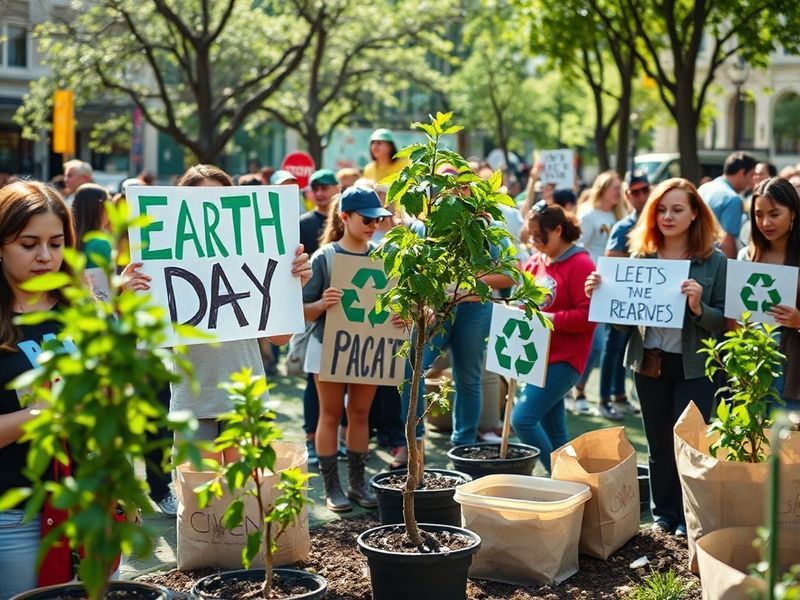
Earth Day 2024: When It Is and Why It Matters
Earth Day is more than a date on the calendar—it’s a global movement that has shaped environmental policy, education, and public awareness for over half a century. In 2024, the observance falls on Monday, April 22, a tradition that began in 1970 and has since grown into one of the largest civic events worldwide. What started as a grassroots protest in the United States has evolved into a 190+ country celebration, uniting people across cultures, languages, and backgrounds under a shared commitment to planetary health.
This year’s theme, “Planet vs. Plastics,” underscores a critical battle in environmental advocacy. The focus on plastic pollution reflects a growing consensus that single-use plastics are choking ecosystems, harming wildlife, and infiltrating human food chains. From the coral reefs of Indonesia to the urban waterways of New York City, the impact of plastic waste is undeniable. Earth Day 2024 aims to mobilize millions with a clear demand: a 60% reduction in plastic production by 2040.
The Origins of Earth Day: How a Movement Began
The first Earth Day emerged from a moment of crisis. In the late 1960s, Americans faced visible environmental degradation—rivers catching fire, smog-filled skies, and unregulated industrial pollution. Senator Gaylord Nelson, inspired by anti-war teach-ins, proposed a national day of environmental education. On April 22, 1970, 20 million Americans took to the streets, parks, and college campuses to demonstrate for a sustainable future. That single day catalyzed the creation of the Environmental Protection Agency (EPA) and the passage of landmark laws like the Clean Air Act and Clean Water Act.
By 1990, Earth Day had gone global. With 200 million participants in 141 countries, it became a catalyst for international environmental policy, paving the way for the 1992 United Nations Earth Summit in Rio de Janeiro. Today, Earth Day is coordinated by Earth Day Network, a nonprofit that partners with governments, NGOs, and businesses to drive action on climate, biodiversity, and pollution.
Earth Day Around the World: Cultural Variations and Shared Goals
While April 22 is the universal date, how Earth Day is observed varies widely. In India, communities plant millions of native trees as part of Van Mahotsav, a festival rooted in forest conservation. In Kenya, activists organize beach cleanups along the Indian Ocean to protect marine life threatened by plastic waste. In Japan, schools host eco-fairs where students display recycled art and learn about renewable energy.
In Europe, Earth Day often aligns with existing environmental campaigns. Germany, for instance, integrates it into its “Tag der Umwelt” (Environment Day), while Scandinavian countries use the day to promote circular economies and zero-waste lifestyles. Meanwhile, in South America, indigenous groups leverage Earth Day to advocate for land rights and protest deforestation in the Amazon.
- China: Uses Earth Day to showcase green technology innovations, with city-wide events in Beijing, Shanghai, and Shenzhen.
- Brazil: Focuses on reforestation and indigenous land protection, especially in the Amazon region.
- South Africa: Organizes “Green Festivals” that blend music, education, and community cleanups in townships and cities.
Despite these differences, a common thread runs through global observances: the recognition that environmental justice is inseparable from social justice. In many regions, marginalized communities bear the brunt of pollution and climate change. Earth Day 2024 emphasizes intersectional advocacy, calling for policies that address both ecological and equity concerns.
Why Earth Day Still Matters in 2024
More than five decades after its inception, Earth Day faces unprecedented challenges. The world is now in the grip of climate change, with record-breaking temperatures, intensifying storms, and rapidly declining biodiversity. According to the UN, over one million species are at risk of extinction. Meanwhile, global plastic production has surged to over 400 million tons annually, with less than 10% recycled. These crises demand urgent, coordinated action—precisely the kind Earth Day was designed to catalyze.
Earth Day 2024 also arrives at a cultural inflection point. Social media has democratized environmental storytelling, allowing activists from Nairobi to New Orleans to share their struggles and solutions in real time. Viral movements like #TrashTag and #PlasticFreeJuly have shown how individual actions can scale into global trends. Yet, this digital momentum is matched by political pushback. In some nations, environmental laws are being rolled back, and climate denialism persists in corridors of power.
Amid this tension, Earth Day serves as a yearly reminder: progress is possible when people demand it. The success of the 2016 Paris Agreement and the global phase-out of chlorofluorocarbons (CFCs) prove that collective action can yield tangible results. Earth Day 2024 asks us to build on those wins—by voting, volunteering, reducing waste, and supporting policies that prioritize the planet over short-term profits.
How to Participate in Earth Day 2024
Participation doesn’t require grand gestures. Small, consistent actions compound into meaningful change. Whether you’re a student, professional, or retiree, there are ways to contribute on April 22 and beyond. Start by evaluating your daily habits—can you reduce single-use plastics, switch to renewable energy, or support local biodiversity initiatives?
Many communities organize Earth Day events. Check local listings for cleanups, tree plantings, or educational workshops. Schools and universities often host panel discussions featuring scientists and activists. Businesses and nonprofits may offer sustainability challenges or volunteer opportunities. Even digital participation counts: share an environmental documentary, join a virtual panel, or sign a petition demanding corporate accountability.
For those looking to go further, consider long-term commitments. Joining a local environmental group, reducing meat consumption, or advocating for green policies in your workplace can create lasting impact. Earth Day is not just a single day—it’s a call to integrate awareness into everyday life.
A Call to Action Beyond April 22
Earth Day 2024 is a milestone, not an endpoint. It’s a chance to reflect on how far we’ve come—and how much further we must go. The environmental challenges ahead are daunting, but history shows that collective action can overcome even the most entrenched problems. From the Clean Air Act to the global movement to ban plastic bags, each victory began with a single spark of awareness.
This Earth Day, let’s honor the legacy of 1970 by renewing our commitment to the planet. Whether you join a cleanup, educate your community, or simply pledge to reduce waste, your actions matter. The Earth doesn’t belong to us—we belong to it. And on April 22, and every day after, it’s time to act like it.
For more insights on environmental policy and sustainable living, explore our Science and Culture sections. Together, we can turn awareness into action.