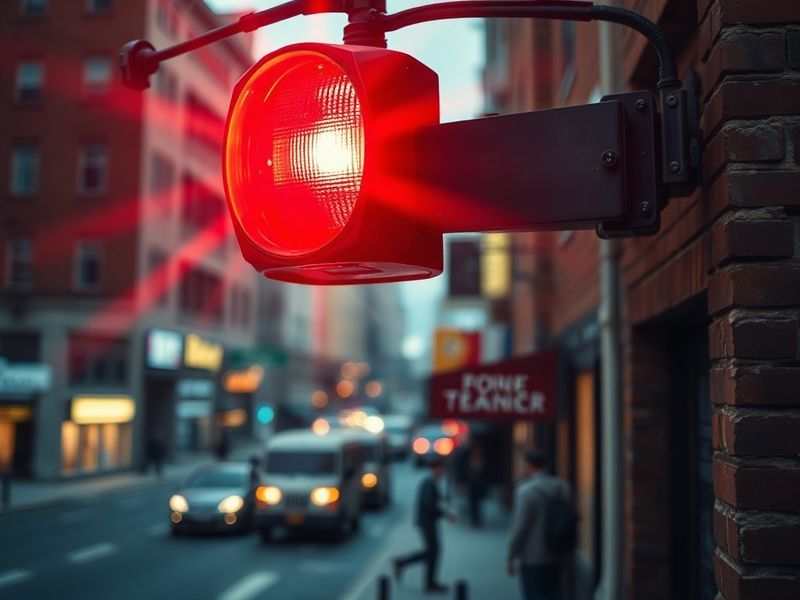
The sudden wail of sirens—whether from emergency vehicles, public warning systems, or even smartphone notifications—has become a familiar sound in many parts of the world. These alerts serve critical functions, from notifying communities about imminent danger to coordinating large-scale emergency responses. But what exactly triggers these sirens, and how do different cultures and regions respond to them? Understanding the reasons behind these alerts reveals much about public safety infrastructure, technological advancements, and cultural attitudes toward risk and preparedness.
The Science and Systems Behind Emergency Sirens
Emergency sirens are designed to cut through ambient noise and grab immediate attention. Most modern systems use electronic tones that vary in pitch, duration, and pattern to convey different types of threats. For example, a rapidly oscillating siren might indicate an approaching tornado, while a steady tone could signal a chemical spill. These systems are typically integrated with meteorological data, seismic sensors, or government alert networks to ensure accuracy and timeliness.
In the United States, the Federal Emergency Management Agency (FEMA) coordinates the Integrated Public Alert and Warning System (IPAWS), which distributes warnings via sirens, radio, television, and wireless emergency alerts (WEAs). Similarly, Japan’s J-Alert system uses sirens, television broadcasts, and mobile notifications to warn citizens about earthquakes, tsunamis, and missile threats. The effectiveness of these systems depends on both the technology and the public’s understanding of the signals.
Technological limitations also play a role. Older siren systems may lack the ability to provide location-specific warnings, leading to widespread alerts even when danger is distant. Newer systems, however, use GPS and cellular networks to target alerts to specific areas, reducing unnecessary panic. Despite these advancements, challenges remain, such as power outages disrupting siren functionality or language barriers preventing clear communication.
Cultural and Regional Differences in Siren Responses
How people react to sirens varies significantly across cultures and regions. In some countries, sirens are deeply embedded in daily life, prompting immediate action. For instance, in Israel, air raid sirens are a routine part of life due to security concerns, and citizens are trained to respond quickly by seeking shelter. In contrast, regions with less frequent emergencies may experience confusion or indifference when sirens sound.
In Japan, where earthquakes and tsunamis are common, sirens are met with disciplined responses. Schools and workplaces conduct regular drills, and public announcements provide clear instructions. The country’s Disaster Prevention Day, held annually on September 1st, reinforces this culture of preparedness. Meanwhile, in parts of Europe, sirens are often associated with civil defense systems from the Cold War era, leading some younger generations to view them as relics rather than essential tools.
Cultural attitudes toward authority also shape siren responses. In countries with strong trust in government institutions, such as Finland or South Korea, sirens are likely to be obeyed without question. In regions with lower trust levels, however, false alarms or inconsistent messaging can erode public confidence, leading to slower or incomplete compliance.
Common Reasons for Siren Activation
Sirens are typically activated for one of several reasons, each with its own level of urgency. Below is a breakdown of the most frequent triggers:
- Weather-related emergencies: Tornadoes, hurricanes, severe thunderstorms, and flash floods often prompt siren activations, especially in tornado alley regions of the U.S. or coastal areas vulnerable to tsunamis.
- Chemical or industrial hazards: Accidents at chemical plants, oil refineries, or transportation hubs can release toxic fumes, necessitating immediate evacuation or shelter-in-place orders.
- Civil defense and security threats: Air raid sirens, missile warnings, and active shooter alerts fall under this category, requiring rapid public response.
- Environmental disasters: Wildfires, earthquakes, and dam failures can trigger sirens to warn nearby populations of imminent danger.
- Testing and maintenance: Many communities conduct regular siren tests to ensure functionality, though these are often scheduled and announced in advance.
False alarms, while frustrating, are an inevitable part of these systems. They can stem from technical malfunctions, miscommunication, or even human error. For example, in 2018, a false missile alert in Hawaii caused widespread panic before officials clarified it was a mistake. Such incidents highlight the need for redundancy in alert systems and clear protocols for correcting errors.
The Psychological Impact of Sirens
The sound of a siren is designed to provoke an immediate physiological response—adrenaline spikes, increased heart rate, and heightened alertness. While this reaction is crucial in genuine emergencies, repeated exposure to false alarms or non-urgent alerts can lead to warning fatigue, where people become desensitized and less likely to respond appropriately when danger is real.
Psychologists have studied the long-term effects of living in high-alert environments. In conflict zones like Ukraine or Gaza, constant sirens have been linked to chronic stress, sleep disturbances, and anxiety disorders. Conversely, in places where sirens are rare, the sudden noise can trigger panic, as people struggle to interpret the threat. Balancing urgency with clarity is a persistent challenge for emergency planners.
Public education plays a vital role in mitigating these psychological effects. Clear messaging—such as specifying the type of threat, recommended actions, and whether the alert is a test—can reduce confusion. For example, Tokyo’s emergency alerts include detailed instructions in multiple languages, catering to its diverse population. Similarly, some U.S. cities use social media and mobile apps to provide real-time updates, supplementing traditional sirens.
Looking Ahead: The Future of Emergency Alerts
The next generation of emergency alerts will likely rely less on sirens and more on digital platforms. Smartphone apps, smart speakers, and connected home devices are already being integrated into warning systems. For instance, the European Union’s EU-Alert system sends warnings directly to mobile phones, bypassing the need for sirens in some cases.
Artificial intelligence is also being explored to improve alert accuracy. Machine learning models can analyze real-time data—such as weather patterns or seismic activity—to predict where and when warnings are needed. This could reduce false alarms and ensure that alerts are only triggered when truly necessary. However, ethical concerns about data privacy and algorithmic bias must be addressed to maintain public trust.
Despite these advancements, sirens will likely remain a cornerstone of emergency communication, particularly in areas with limited internet access or power outages. The challenge moving forward will be integrating traditional systems with digital innovations to create a cohesive, reliable network that adapts to evolving threats.
For now, the sound of a siren still commands attention, a reminder of the world’s persistent vulnerabilities—and humanity’s enduring efforts to protect itself.