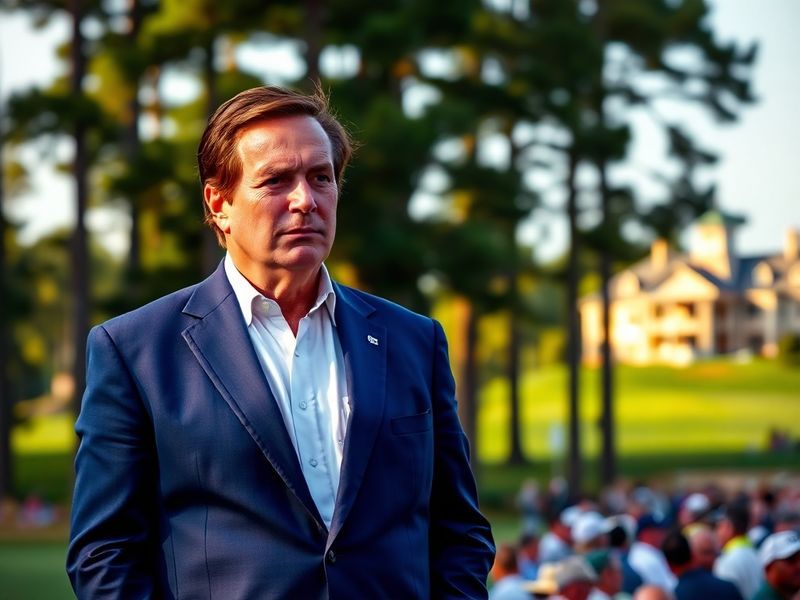
Jim Nantz, the longtime voice of CBS Sports and host of The Masters coverage, has publicly addressed recent criticism of the network’s broadcast approach. In a statement to Dave’s Locker Sports, Nantz emphasized the network’s commitment to tradition and authenticity in its Augusta National presentation.
The remarks come after a segment of viewers and analysts questioned whether CBS’s coverage—known for its measured pacing and focus on the tournament’s storied history—adequately captures the modern intensity of the Masters. Some critics argue that the broadcast leans too heavily on nostalgia, potentially alienating younger audiences who prefer faster-paced, data-driven sports presentations.
Nantz’s Response: Tradition vs. Innovation
In his defense, Nantz highlighted the unique role of the Masters as golf’s most prestigious event, where reverence for the game’s heritage is part of its identity. “The Masters isn’t just another golf tournament,” he stated. “It’s a celebration of the sport’s past, present, and future, all woven into one.” He pointed to CBS’s long-standing partnership with Augusta National, which spans over six decades, as evidence of the network’s deep respect for the event’s traditions.
Nantz also acknowledged the evolving expectations of sports fans but stressed that innovation doesn’t always mean reinvention. “We’re not ignoring the numbers or the analytics that younger viewers enjoy,” he said. “But we also recognize that the Masters isn’t just about who hits the longest drive or tracks the most fairways hit. It’s about the storylines, the moments, and the legacy that make this tournament timeless.”
Key Points in the Debate Over CBS’s Masters Coverage
The criticism and Nantz’s response highlight a broader tension in sports broadcasting: balancing tradition with the demands of a changing audience. Below are the core arguments on both sides:
- Pro-Tradition Perspective: Supporters argue that the Masters’ slow, deliberate broadcast style preserves its prestige. They contend that the tournament’s charm lies in its unhurried storytelling, which contrasts with the rapid-fire highlights of other sports. This group views CBS’s approach as a deliberate choice to honor the event’s legacy rather than chase trends.
- Pro-Change Perspective: Critics claim that CBS’s coverage feels outdated, particularly in an era where platforms like Twitter and YouTube provide real-time stats and highlights. They argue that younger fans, accustomed to the immediacy of digital content, may disengage if the broadcast doesn’t adapt to their viewing habits.
- Nantz’s Middle Ground: Nantz’s comments suggest a willingness to evolve without abandoning the tournament’s essence. He hinted at incorporating more analytics and interactive elements in future broadcasts, such as player tracking and historical comparisons, to bridge the gap between tradition and modernity.
- Audience Fragmentation: The debate also reflects a larger trend in sports media, where networks must cater to diverse viewer preferences. While some fans crave the immersive, cinematic experience of a CBS Masters broadcast, others seek the convenience and customization of streaming services.
Broader Implications for Sports Broadcasting
The conversation surrounding CBS’s Masters coverage extends beyond golf, touching on the challenges all sports networks face in a fragmented media landscape. Traditional broadcasters like CBS are under pressure to justify their high advertising rates and viewership numbers in an era dominated by digital platforms. For the Masters, a tournament that sells out years in advance and commands a global audience, the stakes are uniquely high.
Nantz’s defense of CBS’s approach underscores the network’s strategy: to position the Masters as an oasis of authenticity in a sea of algorithm-driven content. This strategy relies on the tournament’s exclusivity—its invitation-only field, Augusta National’s pristine course, and its refusal to chase commercial trends. However, it also risks alienating segments of the audience that expect more dynamism in their sports viewing.
Industry analysts suggest that CBS could experiment with hybrid models, such as offering a “fast-track” broadcast option alongside its traditional coverage. This could cater to viewers who want highlights and key moments without dedicating four hours to a single round. Such a move would align with the network’s recent efforts to expand its digital presence, including streaming select content on Paramount+.
The Future of the Masters on CBS
Looking ahead, the Masters remains one of the few sports properties where tradition is a selling point rather than a liability. Nantz’s comments signal that CBS is unlikely to abandon its signature style, but the network may introduce subtle changes to keep pace with evolving viewer expectations. These could include more in-depth player profiles, behind-the-scenes content, and expanded use of technology like augmented reality to enhance storytelling.
For Augusta National and its partners, the goal is clear: preserve the tournament’s mystique while ensuring it remains relevant. The challenge will be walking that line without diluting the experience that has made the Masters a cornerstone of golf for nearly a century.
The debate over CBS’s coverage is ultimately a microcosm of a larger conversation about the future of sports media. As viewership habits shift, networks must decide how much of their identity to preserve—and how much to adapt. For now, Nantz and CBS are betting that the Masters’ timeless appeal will continue to resonate, even if the broadcast evolves at a slower pace than some would prefer.
One thing is certain: the Masters will always be more than just a golf tournament. It’s a cultural institution, and its broadcast partner’s approach to storytelling will play a pivotal role in shaping its legacy for generations to come.