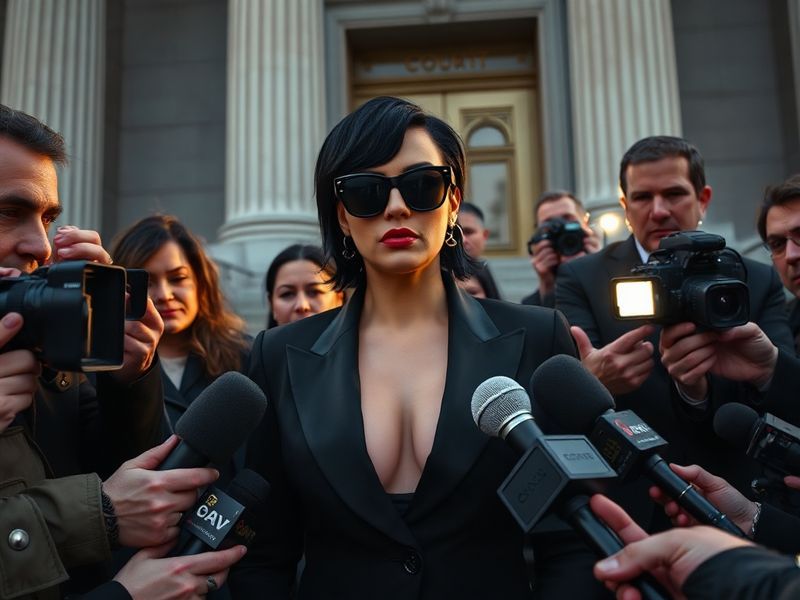
Multiple reports have surfaced in recent weeks regarding allegations against pop superstar Katy Perry. While details remain fluid, the claims have sparked widespread discussion across social media and entertainment circles. Here’s a breakdown of the key developments.
Timeline of Events
The allegations against Katy Perry first gained traction after a viral social media post on August 12, 2024, in which an anonymous accuser detailed claims of misconduct dating back to 2016. The post included screenshots of alleged text messages and emails, alongside accusations of professional retaliation following a perceived refusal of inappropriate advances.
Within 48 hours, the story expanded as additional individuals came forward with similar accounts. By August 15, Perry’s legal team issued a statement denying all allegations, calling them “categorically false and defamatory.” The situation escalated further when a former assistant filed a formal complaint with California’s Department of Fair Employment and Housing, alleging wrongful termination linked to the same incidents.
As of late August, no official charges have been filed, and Perry has continued promoting her latest album. Industry observers note the timing’s sensitivity, given her ongoing tour and upcoming awards season appearances.
Key Allegations and Responses
The core accusations focus on three main areas: workplace environment, personal conduct, and professional repercussions. Below is a summary of the primary claims and Perry’s rebuttals.
- Workplace Conduct: Former employees describe a high-pressure environment with alleged instances of yelling and public humiliation. One former tour manager stated, “The demands were relentless, but the treatment crossed lines I’ve never seen in this industry.” Perry’s team countered that such claims reflect “standard creative differences” in a demanding field.
- Personal Misconduct: The anonymous accuser alleged that Perry made unwanted advances during a 2016 recording session. Text messages cited in the post show flirtatious language, though Perry’s legal team argues they are taken out of context. A spokesperson stated, “These messages are private and do not reflect Ms. Perry’s professional relationships.”
- Retaliation Claims: The former assistant’s complaint centers on being fired shortly after reporting concerns about Perry’s behavior. Employment records obtained by media outlets show the assistant received positive reviews prior to the incident. Perry’s representatives claim the termination was unrelated to any complaint.
Public reaction has been polarized. Supporters highlight Perry’s decades-long philanthropic work, including her UNICEF ambassadorship, while critics question the timing of the allegations given her cultural influence. “This isn’t about one person—it’s about systemic issues in an industry that protects its stars,” said a music industry analyst.
Broader Implications for the Music Industry
The Perry allegations arrive amid a wave of accountability discussions within entertainment. Recent high-profile cases involving other female artists have intensified scrutiny of power dynamics in music, particularly regarding women in leadership roles. Unlike past scandals centered on male executives, this case complicates narratives of female empowerment in pop culture.
Industry insiders point to a generational shift. “Younger artists are redefining what accountability looks like,” noted a Grammy-winning producer. “They’re not waiting for scandals to go away—they’re demanding transparency.” Social media campaigns have emerged under hashtags like #MeTooMusic, urging fans to reconsider support for artists facing credible allegations.
Legal experts suggest the case could set precedents for how workplace complaints are handled in creative fields. California’s strict labor laws may play a decisive role, particularly regarding the former assistant’s complaint. “This isn’t just about Katy Perry—it’s about whether artistic vision justifies toxic environments,” said an employment attorney.
For fans, the situation raises ethical questions about consumption. Streaming platforms have yet to remove Perry’s music, though some radio stations have adjusted playlists. “Art and artist are inseparable for many listeners,” said a culture critic. “But when the art is tied to harm, the conversation changes.”
Where the Story Stands Now
As investigations continue, the Perry case reflects broader tensions in entertainment. The allegations challenge long-standing norms where star power often overshadows accountability. With no legal resolution in sight, the debate shows no signs of fading.
For now, Perry remains active in her career, though public appearances have drawn increased scrutiny. Social media reactions range from calls for boycotts to defensive rallying. One fan tweeted, “I’ve loved her music for years, but this changes things.” Another countered, “Everyone deserves due process—let’s not ruin careers over rumors.”
The outcome of this case may redefine how the industry handles misconduct claims, especially for high-profile women. Whether it leads to systemic change or becomes another forgotten controversy remains to be seen. One thing is certain: the conversation is far from over.
For more on music industry accountability, explore our Entertainment and Culture sections.