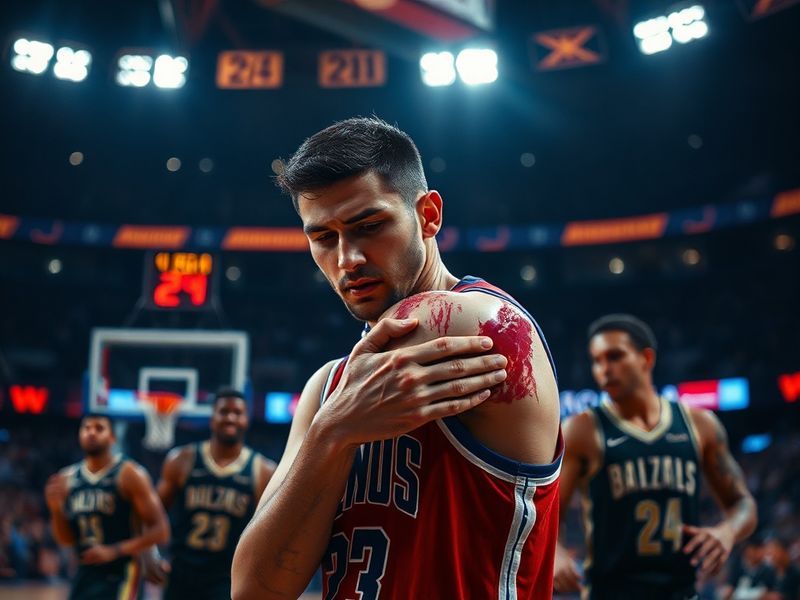
Kyle Hurt’s 2023-24 season began with promise and ended with frustration. The Miami Hurricanes guard, known for his sharpshooting and defensive intensity, found himself at the center of controversy, inconsistency, and ultimately, an offseason of speculation. His journey—from early-season heroics to midseason struggles and a final act that left fans divided—offers a case study in the unpredictability of college basketball.
Hurt’s role as a three-point specialist and defensive pest made him a fan favorite early in his collegiate career. With a career 39% three-point shooting mark entering the season, he was positioned as a critical piece for Miami’s offensive spacing. Yet, as the Canes navigated a challenging ACC schedule and the rigors of postseason play, Hurt’s production fluctuated dramatically. His minutes, usage, and shot selection became topics of debate among analysts and supporters alike.
The Early Buzz: What Made Kyle Hurt a Prospect
Hurt arrived at Miami after transferring from Wake Forest, where he averaged 9.5 points per game as a sophomore in 2019-20. His shooting stroke stood out immediately—particularly his ability to catch and release off the dribble or in catch-and-shoot scenarios. Scouts noted his 6’6” frame, which allowed him to play above the rim while also providing perimeter versatility.
During his first season with the Canes in 2022-23, Hurt shot 38.5% from beyond the arc and averaged 8.5 points in 21.7 minutes per game. He ranked second on the team in three-point makes (68) and finished with a positive offensive rating. His defensive metrics were even more impressive: a 2.4% steal rate and 1.3 blocks per 40 minutes, showcasing his athletic potential and instincts.
These numbers positioned Hurt as more than just a specialist. He was a two-way player capable of impacting games in multiple phases—a trait that made his midseason slump all the more puzzling.
The Turning Point: When the Numbers Stopped Adding Up
By January 2024, Hurt’s efficiency had plummeted. In ACC play, he shot just 30.8% from three, down from 39.5% in non-conference games. His usage rate dropped from 18.2% to 14.7%, and his free-throw rate declined sharply. Analysts pointed to several possible causes: tighter defensive schemes, a lack of rhythm, or even subtle mechanical changes in his jump shot.
His most glaring outing came in a late-January loss to Wake Forest, where he went 0-for-7 from three and committed three turnovers in 18 minutes. The performance sparked fan discussions on message boards and social media, with some questioning his role in the rotation. Others defended him, citing the team’s overall offensive struggles and the absence of key players due to injury.
Hurt himself addressed the dip in form in a postgame interview, saying, “It’s just one of those things where the shots aren’t falling. I know my role. I’ve got to be ready when called upon.” His measured response contrasted with the frustration visible in the stands and online, highlighting the pressure that comes with being a high-usage shooter in a competitive league.
Key Factors Behind Hurt’s Decline
- Defensive Focus: Opponents began scouting his tendencies, particularly his closeouts on shooters and his tendency to bite on pump fakes.
- Rotation Changes: New offensive schemes under first-year coach Kam McDaniels reduced Hurt’s isolation opportunities.
- Injury Lingering: Rumors circulated about a nagging ankle issue that limited his explosiveness late in games.
- Confidence Dip: A shooting slump, even in practice, can create a mental block that’s hard to shake.
Impact Beyond the Box Score: The Role of Role Players in Modern Basketball
Hurt’s experience reflects a broader trend in college basketball: the rise and fall of role players in systems that demand versatility. Unlike star players who can carry a team through sheer talent, role players like Hurt thrive when their specific skills align with the coach’s system and the opponent’s weaknesses.
His decline wasn’t just about personal performance; it was about fit. In a league where defenses prioritize limiting three-point shooters, Hurt’s value diminished when teams prioritized size and athleticism over spacing. Miami’s offense, which relied heavily on post play and transition opportunities, didn’t always create the clean looks Hurt excelled at.
This raises a question that many analysts overlook: What happens to role players when the system changes? Hurt’s situation mirrors that of other “3-and-D” players who struggle when their role becomes undefined or when the team’s identity shifts. It’s a reminder that in college basketball, even the most consistent contributors are not immune to the volatility of roster construction and coaching philosophies.
Where Does Kyle Hurt Go From Here?
As the 2024 NBA Draft approaches, Hurt faces a pivotal decision: return for a fifth season of eligibility or pursue professional opportunities overseas or in the G League. His draft stock took a hit during the season, but his combination of size, shooting, and defensive potential still makes him an intriguing prospect for teams in need of two-way wings.
If he returns to Miami, Hurt will enter his final year with a chance to redefine his legacy. A strong senior campaign—paired with leadership in the locker room—could restore his reputation as a clutch shooter and lockdown defender. It’s a high-stakes scenario: one more shot at proving that his 2023-24 struggles were an anomaly rather than a trend.
For Miami, the calculus is simpler. The Canes need consistent perimeter shooting and defensive disruption. If Hurt can regain his form, he remains a key piece. If not, it may be time to explore other options—either in the portal or on the court.
Possible Paths Forward for Hurt
- Stay and Rebuild: Return for a fifth year, focus on mechanics, and lead a young Miami team.
- Go Pro: Enter the NBA Draft, accept a two-way contract, or pursue overseas opportunities in leagues like the BCL or EuroCup.
- Transfer for a Fresh Start: Explore programs with more defined roles for shooting wings, such as Richmond, St. Bonaventure, or a mid-major with postseason aspirations.
Regardless of the path, Hurt’s journey offers lessons for players, coaches, and fans. It underscores the fragility of role clarity in high-pressure environments and the importance of adaptability in a sport where systems often dictate success more than individual talent.
Conclusion: A Story Still Being Written
Kyle Hurt’s 2023-24 season was a rollercoaster of expectations, reality, and unanswered questions. While his shooting numbers declined and his role fluctuated, the narrative around him wasn’t one of failure—it was one of transition. College basketball is a sport of moments, and Hurt’s story is still being written.
For Miami, the challenge now is to build around players who can thrive in a system that maximizes their strengths. For Hurt, the opportunity remains to carve out a niche—whether in the NBA, overseas, or back in college. One thing is certain: his journey reflects the unpredictable nature of the game and the resilience required to succeed at the highest levels.
As fans, we’ll remember Hurt not just for the shots that missed, but for the ones that soared. And in a sport defined by fleeting opportunities, that’s worth celebrating.
For more analysis on college basketball trends and player development, visit our Sports section. To explore how role players impact team success, check out our Analysis category.