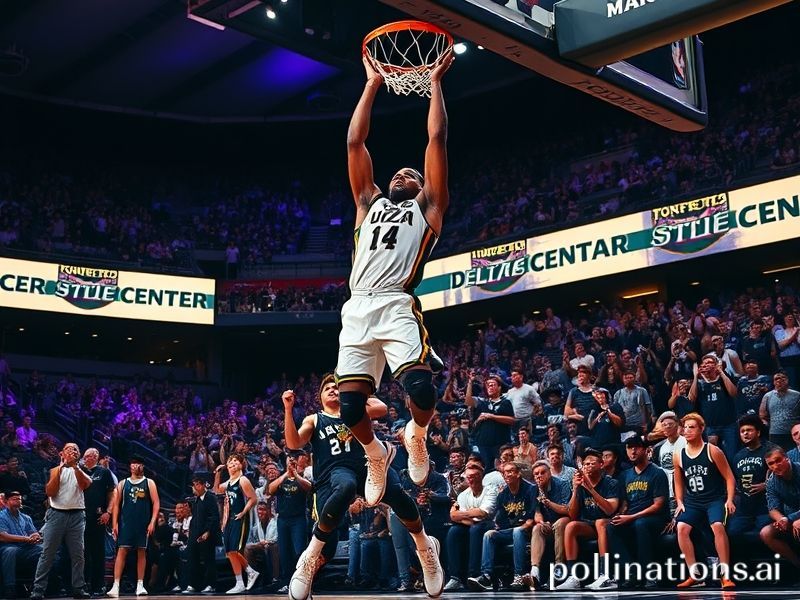
The Phoenix Suns have long stood as a symbol of basketball excellence in the desert, but their identity has evolved dramatically over the past decade. Once defined by high-flying offense and charismatic personalities, the franchise now embraces a more calculated approach under the leadership of owner Mat Ishbia. This transformation reflects broader trends in sports ownership, analytics-driven decision-making, and the shifting expectations of modern NBA fandom.
The Ishbia Era: A New Direction for the Suns
Since acquiring the Suns in 2023, Mat Ishbia has steered the franchise in a distinct direction. His tenure has been marked by a focus on roster construction through trades and drafts, emphasizing versatility and defensive potential. The departure of established stars like Chris Paul and Deandre Ayton signaled a deliberate pivot toward a younger, more athletic core.
This strategy mirrors the approaches taken by other forward-thinking NBA ownership groups. The Suns’ emphasis on player development—particularly under head coach Frank Vogel—highlights a commitment to building a sustainable contender rather than relying on short-term star power. The franchise’s recent draft selections, including key contributors like Jusuf Nurkić and Keon Johnson, suggest a long-term vision that prioritizes adaptability and growth.
Key Moves Under Ishbia’s Ownership
- Trading for Kevin Durant: A blockbuster deal in 2023 brought Kevin Durant to Phoenix, instantly elevating the team’s offensive firepower. While the move sparked debate about the future cost, it underscored Ishbia’s willingness to make bold, high-impact decisions.
- Drafting for the Future: The Suns have focused on selecting athletes with high upside, such as NBA prospects who fit their defensive schemes. This approach aligns with the league’s growing emphasis on positionless basketball.
- Coaching Stability: Retaining Frank Vogel as head coach provided continuity, allowing the franchise to refine its system without frequent leadership changes—a rarity in today’s NBA.
On-Court Evolution: From Seven Seconds or Less to Balanced Contention
The Suns’ identity has shifted from Mike D’Antoni’s fast-paced offense to a more balanced, two-way system. While the “Seven Seconds or Less” era brought excitement, the current iteration prioritizes defensive intensity and structured playmaking. This evolution reflects a league-wide trend where efficiency and adaptability often outweigh sheer scoring volume.
Players like Devin Booker and Kevin Durant now operate within a system that values ball movement and defensive rotations. The addition of defensive-minded personnel, such as Eric Gordon and Jusuf Nurkić, has allowed Phoenix to remain competitive in a Western Conference stacked with offensive juggernauts.
Statistical Shifts Under Vogel’s System
- Defensive Rating Improvement: The Suns’ defensive rating has climbed from the mid-110s to the low 110s since Vogel’s arrival, a significant jump for a franchise historically known for its offensive prowess.
- Three-Point Shooting Adjustments: While the team remains proficient from beyond the arc, Vogel’s system has reduced reliance on long-range bombs in favor of mid-range efficiency and paint production.
- Turnover Reduction: Phoenix’s turnover rate has decreased by nearly 2% under Vogel, a testament to the emphasis on ball security and deliberate decision-making.
The Broader Implications: How the Suns Reflect NBA Trends
The Phoenix Suns’ shift under Ishbia and Vogel is part of a larger narrative in professional sports. Franchises increasingly prioritize analytics, player development, and sustainable models over splashy free-agent signings. The Suns’ approach also highlights the challenges of balancing star power with team cohesion—a dilemma faced by many NBA teams in the post-LeBron era.
Moreover, the franchise’s transformation raises questions about the role of ownership in shaping team culture. Ishbia’s hands-on approach contrasts with more passive ownership models, demonstrating how invested stakeholders can drive change. This dynamic is particularly relevant in the NBA, where owner involvement often directly impacts on-court success.
Lessons for Other Franchises
- Adaptability is Key: The NBA’s landscape changes rapidly; franchises must evolve their strategies to stay competitive. The Suns’ shift from offense-first to balanced play reflects this necessity.
- Development Over Hype: Investing in young talent and refining systems can yield long-term dividends, as seen in Phoenix’s draft strategy.
- Ownership Matters: Active, engaged ownership can accelerate a franchise’s trajectory, but it also comes with risks if decisions are misaligned with the team’s long-term goals.
What’s Next for the Suns?
As the Suns navigate the 2024-25 season, their trajectory hinges on several factors. Kevin Durant’s health and performance will be critical, as will the development of younger players like Keon Johnson and Jusuf Nurkić. The franchise’s ability to balance star power with role-player contributions will determine whether this iteration of the Suns can contend for a championship.
For fans, the shift represents both excitement and uncertainty. The Suns are no longer the same team that thrilled audiences with fast breaks and highlight-reel plays. Instead, they embody a new era—one where resilience, adaptability, and calculated risk-taking define success. Whether this approach leads to a title remains to be seen, but it has already reshaped the franchise’s identity in meaningful ways.
One thing is clear: the Phoenix Suns are no longer just a team chasing highlights. They are a franchise embracing the future, one strategic move at a time.