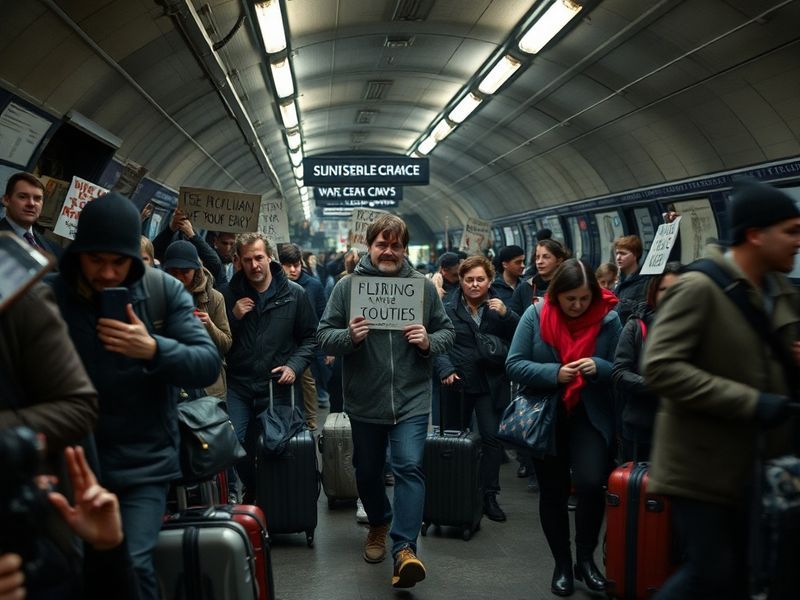
Tube Strikes 2026: London’s Transport Crisis Explained
“`html
Tube Strikes 2026: What London Commuters Need to Know
The first major disruption of 2026 arrived this week as Transport for London (TfL) announced a series of planned strikes affecting the London Underground. With services grinding to a halt across multiple lines, the strikes have reignited debates about public transport reliability, worker rights, and the future of London’s transport infrastructure.
These walkouts follow months of negotiations between TfL management and the unions representing tube workers. At the heart of the dispute lies a disagreement over pay, working conditions, and proposed service changes. While the unions argue that staff are stretched thin by understaffing and excessive workloads, TfL has cited financial constraints as a barrier to meeting all demands.
Why Are the Strikes Happening?
The current round of industrial action stems from long-standing tensions between TfL and its workforce. The unions, including the RMT and TSSA, have highlighted several key grievances:
- Pay disputes: Workers are calling for a substantial pay rise to keep pace with inflation and the rising cost of living in London.
- Job security: Concerns over automation and planned service reductions have left many fearing for their future employment.
- Working conditions: Reports of excessive overtime, fatigue, and safety concerns have fueled frustration among staff.
TfL, meanwhile, has pointed to a budget deficit of over £1 billion as a result of reduced fare revenue post-pandemic and increased operational costs. The transport authority has argued that without concessions on pay or service efficiency, further cuts to bus routes and tube lines may become inevitable.
Impact on London’s Daily Life
The strikes have thrown London’s transport network into chaos, with over 40% of tube services suspended on strike days. Commuters have been forced to adapt quickly, relying on alternative routes such as buses, cycling, or walking. The disruption has extended beyond the morning rush hour, affecting school runs, deliveries, and business operations throughout the day.
Small businesses, particularly those in central London reliant on foot traffic, have reported significant losses. Cafés, shops, and service providers have seen a sharp decline in customers, with many workers opting to work from home where possible. The economic impact is expected to ripple through the city’s economy, with some analysts predicting a short-term drop in retail sales and hospitality revenue.
For healthcare workers, teachers, and emergency services, the strikes have added another layer of complexity to already strained schedules. Hospitals have urged staff to plan alternative travel arrangements, while schools have warned parents of potential delays in pupil drop-offs and pick-ups.
Broader Implications for London’s Transport Future
Beyond the immediate inconvenience, the strikes underscore deeper challenges facing London’s transport system. The city’s reliance on the Underground—a network now over 150 years old—has become a point of contention. Critics argue that decades of underinvestment have left the system vulnerable to breakdowns and strikes, while proponents highlight the need for modernization.
One of the most pressing issues is the role of automation. TfL has floated the idea of introducing driverless trains to reduce costs and improve efficiency, a move that unions fiercely oppose. The debate raises questions about the human cost of technological advancement and whether the savings from automation would truly benefit commuters or simply line the pockets of private contractors.
Another concern is the environmental impact. With fewer people using public transport due to unreliable services, there has been a noticeable uptick in private car usage, contributing to increased congestion and pollution. This reversal of progress threatens London’s ambitious net-zero targets and highlights the delicate balance between worker rights and environmental goals.
What’s Next for Commuters and Workers?
The strikes are scheduled to continue in phases over the coming weeks, with the unions warning of further action if negotiations fail. Meanwhile, TfL has hinted at temporary measures to mitigate the impact, including increased bus services and expanded cycle lanes. However, the effectiveness of these solutions remains to be seen.
For now, Londoners are left navigating a city in flux. Commuters are exploring new routines, businesses are adjusting their operations, and policymakers are scrambling to find a resolution. The strikes have served as a stark reminder of the fragility of urban infrastructure and the delicate interplay between those who build it, those who use it, and those who fund it.
The outcome of these strikes could set a precedent for future labor disputes across the UK, particularly in sectors where public service and private profit intersect. Whether the strikes lead to meaningful change or merely temporary fixes, one thing is clear: London’s transport system—and the people who keep it running—are at a crossroads.
For more insights on urban infrastructure and labor rights, visit our News and Analysis sections.