UK Food Shortages: Causes, Impact and Future Solutions
“`html
Food Shortages in the UK: Causes, Effects and What Comes Next
The United Kingdom is facing a growing challenge with food shortages that are affecting households, businesses, and the wider economy. These disruptions are not isolated incidents but part of a complex web of global and local factors that have intensified in recent years. From supply chain bottlenecks to extreme weather events, the causes are multifaceted, and the consequences ripple through every level of society.
The Root Causes Behind the Shortages
Several interconnected issues have contributed to the current food supply challenges in the UK. One of the most immediate triggers has been the fallout from Brexit-related trade barriers, which have complicated the movement of goods between the UK and the European Union. Customs checks, regulatory divergence, and increased paperwork have slowed down deliveries, particularly for perishable items like fresh produce.
Beyond trade, the global energy crisis has played a significant role. Rising fuel and electricity costs have driven up production expenses for farmers and food manufacturers. Fertilizer prices, for instance, surged after Russia’s invasion of Ukraine, a major exporter of key agricultural inputs. This has led some UK farmers to reduce planting or even exit the sector entirely, further straining domestic food production.
Extreme weather has also taken a toll. The UK has experienced record-breaking temperatures and prolonged droughts, which have damaged crops and reduced yields. Flooding in key agricultural regions has disrupted planting schedules and destroyed harvests. These climate-related disruptions are becoming more frequent, suggesting that food security will remain a persistent concern.
Key Factors Contributing to Food Shortages
- Brexit-related trade frictions: Increased border checks and regulatory divergence have slowed imports, particularly from the EU.
- Global energy prices: Higher costs for fuel, electricity, and fertilizers have made food production more expensive.
- Extreme weather events: Droughts, floods, and heatwaves have reduced crop yields and disrupted supply chains.
- Labor shortages: Post-pandemic workforce gaps and changes in immigration policies have left gaps in food processing and distribution.
- Rising inflation: Increased living costs have reduced household purchasing power, making it harder for families to afford food.
How Shortages Are Impacting Different Sectors
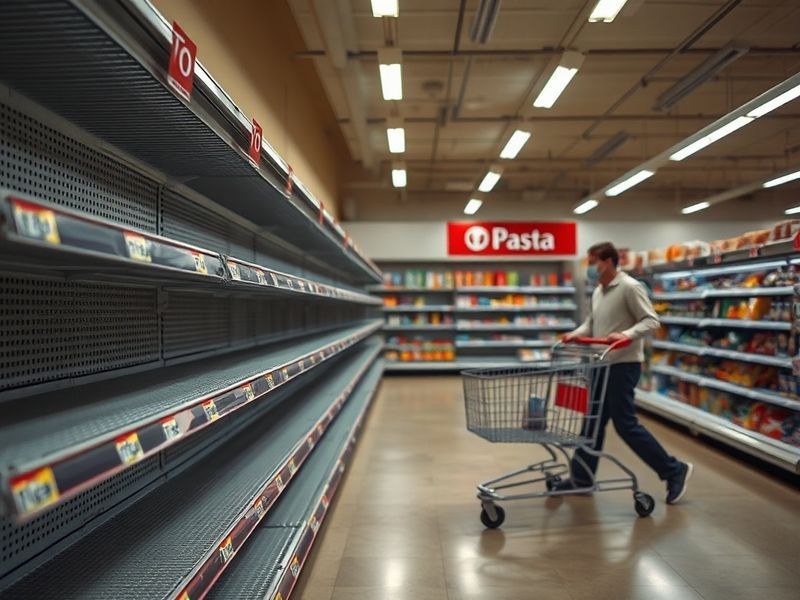
The effects of food shortages are being felt across multiple areas of the economy. In the retail sector, supermarkets have reported empty shelves and limited stock for certain products, particularly fresh meat, dairy, and vegetables. Some stores have introduced purchasing limits to manage supply, while others have raised prices to offset increased costs.
For food manufacturers, the situation is equally challenging. Many businesses are struggling with higher input costs and unreliable supply chains, which have squeezed profit margins. Some smaller producers have been forced to halt operations or switch to alternative ingredients, altering product formulations and potentially affecting quality.
Households are also feeling the pinch. Inflation has pushed food prices up by nearly 19% in the past two years, according to the British Retail Consortium. This has placed a heavier burden on lower-income families, who spend a larger proportion of their income on essentials. Food banks have reported increased demand, with some reporting shortages of their own as donations dwindle.
Beyond the immediate economic impact, there are broader implications for public health. Nutritional intake may decline as families prioritize cheaper, less nutritious options. This could exacerbate health inequalities, particularly among vulnerable groups such as children and the elderly.
What’s Being Done to Address the Crisis?
The UK government has taken some steps to mitigate the crisis. In 2022, it temporarily suspended some environmental regulations to allow farmers to grow more crops and introduced support schemes to help businesses manage rising costs. However, critics argue that these measures are insufficient and fail to address the root causes of the problem.
Industry leaders are calling for a more coordinated approach. The Food and Drink Federation has urged the government to prioritize trade agreements that secure stable food supplies, while farming groups have pushed for investment in domestic production and resilience. Some experts advocate for long-term solutions such as vertical farming and precision agriculture to reduce reliance on imports and climate-sensitive crops.
At the consumer level, awareness campaigns are encouraging households to reduce food waste, which currently accounts for about 6.6 million tonnes of food waste annually in the UK. Initiatives like community fridges and apps connecting surplus food with those in need are gaining traction, offering some relief in local communities.
Looking Ahead: The Future of UK Food Security
The road to recovery will not be quick or straightforward. Food systems are inherently complex, and the challenges facing the UK are part of a global trend. Countries around the world are grappling with similar issues, from supply chain disruptions to climate change, which means competition for resources will only intensify.
For the UK, building resilience will require a combination of short-term interventions and long-term strategies. Diversifying trade partners, investing in sustainable agriculture, and strengthening domestic production capabilities are critical steps. Equally important is addressing labor shortages in the food sector, which could involve revisiting immigration policies or expanding training programs.
Public awareness and behavior change will also play a role. Reducing food waste, supporting local farmers, and adapting diets to include more seasonal and sustainably sourced foods can all contribute to a more secure food system. However, these efforts must be supported by systemic changes at the policy level to have a lasting impact.
As the UK navigates this crisis, the lessons learned may serve as a blueprint for other nations facing similar challenges. Food security is not just an economic issue; it is a societal one. Ensuring that everyone has access to affordable, nutritious food will require collaboration across governments, industries, and communities.
For now, the situation remains precarious. But with proactive measures and collective action, there is potential to build a more resilient and sustainable food system for the future.
For more insights into how global trends are affecting local economies, visit our News section. To explore how communities are responding to food insecurity, check out our Culture category.