UK Food Shortages: Causes, Impact, and the Road Ahead
“`html
UK Food Shortages: Causes, Impact, and the Road Ahead
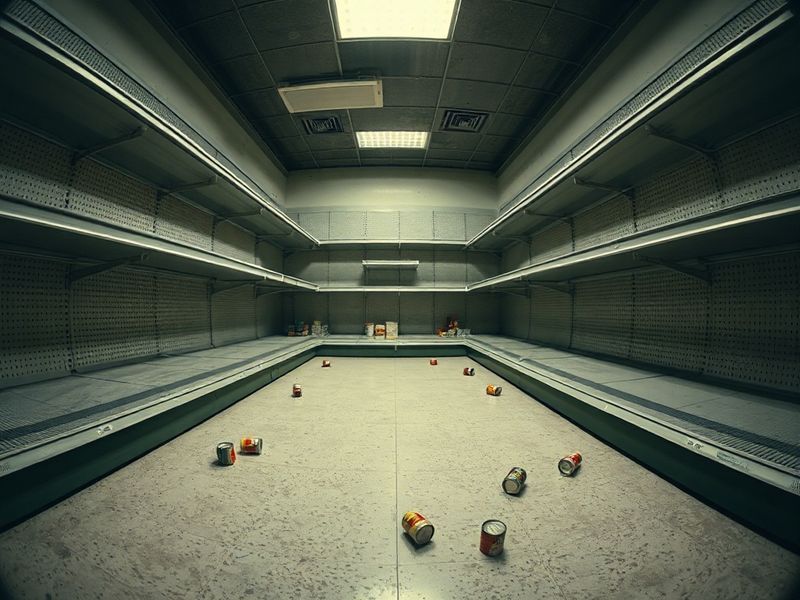
The United Kingdom is currently grappling with one of the most severe food supply challenges in decades. Empty supermarket shelves, rising food prices, and disrupted supply chains have become common sights across the country. While some fluctuations in food availability are normal, the scale and persistence of these shortages suggest deeper systemic issues at play.
These disruptions are not merely temporary inconveniences. They reflect broader economic pressures, geopolitical tensions, and structural weaknesses in the UK’s food distribution networks. Understanding the root causes—and their potential long-term consequences—is essential for consumers, businesses, and policymakers alike.
The Root Causes Behind the Shortages
Several interconnected factors are driving the current food shortages in the UK. While the COVID-19 pandemic initially exposed vulnerabilities in global supply chains, the situation has been exacerbated by more recent developments.
A primary driver is the ongoing conflict in Ukraine, a major global supplier of wheat, maize, and sunflower oil. The war has severely disrupted exports from one of Europe’s breadbaskets, leading to global price spikes and reduced availability of key staples. The UK, heavily reliant on food imports, has been particularly vulnerable to these shocks.
Another critical issue is labor shortages across the food production and distribution sectors. The pandemic prompted many workers—especially in agriculture, food processing, and logistics—to leave the industry. Brexit further tightened the labor market by restricting the flow of EU workers who traditionally filled roles in farming, food manufacturing, and HGV driving.
Additionally, extreme weather events—from droughts to flooding—have repeatedly damaged crops both domestically and abroad. The UK experienced its driest July in over a century in 2022, devastating harvests of potatoes, vegetables, and cereals. These climate-related disruptions are becoming more frequent, signaling a long-term threat to food security.
Key Contributing Factors
- Geopolitical disruption: War in Ukraine halts exports of wheat, maize, and fertilizers.
- Labor shortages: Brexit and pandemic-related exits reduce workforce in farming and logistics.
- Climate volatility: Droughts and floods damage domestic and international crop yields.
- Energy costs: Rising fuel and electricity prices increase production and transportation costs.
- Supply chain fragility: Just-in-time systems leave little buffer against disruptions.
The Human and Economic Impact
The consequences of food shortages extend far beyond empty shelves. For millions of households, rising food prices are eroding purchasing power. Inflation in food prices hit over 19% in early 2023—the highest rate in 45 years. Staples like pasta, bread, and dairy have seen double-digit price increases, pushing many families to make difficult choices between food and other essentials.
Food banks across the UK have reported unprecedented demand. The Trussell Trust, which operates over 1,300 food banks, distributed 2.1 million emergency food parcels in 2022—up 14% from the previous year. Many recipients are working households, highlighting how inflation has outpaced wage growth.
Small businesses, particularly independent grocers and restaurants, are also struggling. Many have reduced their menus or raised prices, while others have closed entirely. The hospitality sector, still recovering from the pandemic, faces further strain as ingredient costs soar and availability becomes unpredictable.
On a broader scale, food insecurity undermines public health. Nutritional quality often declines when people substitute fresh produce for cheaper, processed alternatives. This can lead to increased rates of diet-related conditions such as obesity, diabetes, and malnutrition—especially among children.
Policy Responses and Long-Term Solutions
In response to the crisis, the UK government has taken steps to alleviate immediate pressures. In 2023, it launched the Food Security Index to monitor supply chain resilience and announced funding to support domestic horticulture. There have also been calls to relax visa rules for seasonal agricultural workers—a short-term fix that does little to address structural issues.
However, sustainable solutions require a more comprehensive approach. Rebuilding domestic food production capacity is critical. This includes investing in climate-resilient farming techniques, expanding vertical and urban farming, and supporting regenerative agriculture. The UK currently imports around 46% of its food—the highest proportion in decades—and reducing this dependency should be a national priority.
Strengthening supply chain resilience is equally important. Moving away from just-in-time models toward more diversified, localized networks can reduce vulnerability to global shocks. Encouraging regional food hubs and shortening supply chains could improve both availability and freshness.
At the consumer level, awareness and adaptation are key. Supporting local farmers, reducing food waste, and diversifying diets to include alternative protein sources (such as pulses and plant-based foods) can collectively ease pressure on the system.
A Look to the Future
While the worst of the immediate crisis may pass, the underlying vulnerabilities remain. Food shortages in the UK are not an anomaly—they are a symptom of a global food system under strain from climate change, geopolitical instability, and economic inequality.
Without coordinated action from government, industry, and civil society, future disruptions are likely to become more frequent and severe. Food security must be treated as a national priority, not an afterthought.
For now, consumers and businesses are adapting—shopping differently, planning ahead, and supporting local producers. But the road ahead demands more than adaptation. It requires transformation: a rethinking of how food is grown, distributed, and consumed in the UK.
One thing is clear: the era of cheap, abundant food is over. The challenge now is to build a system that is fair, resilient, and sustainable—for everyone.
For more insights into how supply chain disruptions are affecting industries across the UK, visit our News and Analysis sections.