Zimbabwe’s Resilience: Economic Revival and Cultural Riches
“`html
Zimbabwe: A Nation of Resilience and Untapped Potential
Zimbabwe stands as a testament to human endurance, a country where natural beauty and historical depth collide with economic challenges and political complexities. Once known as the breadbasket of Southern Africa, Zimbabwe now navigates a path defined by both struggle and promise. Its landscape—from the misty highlands of the Eastern Highlands to the vast, golden fields of the Save Valley—mirrors the resilience of its people, who have weathered decades of turmoil to maintain a sense of identity and hope.
The nation’s story is one of contrasts. It boasts a literacy rate among the highest in Africa, a testament to its investment in education during the post-independence era. Yet, it grapples with hyperinflation, currency instability, and infrastructure decay that have stifled progress. Understanding Zimbabwe requires more than acknowledging its challenges; it demands recognition of its cultural vibrancy, its strategic regional role, and the quiet determination of its citizens to rebuild.
The Historical Foundations: From Colonial Rule to Independence
Zimbabwe’s modern identity is deeply rooted in its colonial past. Under British rule as Southern Rhodesia, the country’s fertile land and mineral wealth attracted settlers, while indigenous populations were displaced and marginalized. The legacy of this era lingers in the land reform programs of the 2000s, which sought to address historical injustices but also triggered economic upheaval.
Independence in 1980 marked a turning point, bringing Robert Mugabe to power after a protracted liberation war. Initially celebrated for his role in dismantling colonial structures, Mugabe’s later years were marred by authoritarianism, corruption, and economic mismanagement. His departure in 2017 opened a new chapter, though the transition has been far from seamless. Today, President Emmerson Mnangagwa’s administration faces the dual challenge of restoring stability while fostering inclusive growth.
Key Historical Milestones
- 1890: British South Africa Company establishes colonial rule, naming the territory Rhodesia.
- 1965: Unilateral Declaration of Independence by white-minority government sparks international condemnation.
- 1980: Zimbabwe gains independence under Robert Mugabe, beginning a 37-year rule marked by both progress and repression.
- 2000: Land reform programs redistribute white-owned farms, leading to economic decline and international isolation.
- 2017: Military intervention forces Mugabe’s resignation; Emmerson Mnangagwa assumes presidency.
The Economic Landscape: Challenges and Opportunities
Zimbabwe’s economy is a study in contradictions. Despite vast natural resources—platinum, gold, diamonds, and lithium—its people face chronic shortages of basic goods and unreliable utilities. Hyperinflation in the late 2000s, which saw the Zimbabwean dollar rendered worthless, forced the adoption of foreign currencies like the US dollar and South African rand. While this stabilized prices temporarily, it also exposed the fragility of an economy overly dependent on imports.
The government’s recent attempts to reintroduce a local currency, the Zimbabwean dollar, have met with skepticism. The currency’s value remains volatile, and citizens continue to rely on barter systems and digital transactions. Inflation, though no longer in triple digits, still hovers around 60%, eroding purchasing power and deepening inequality.
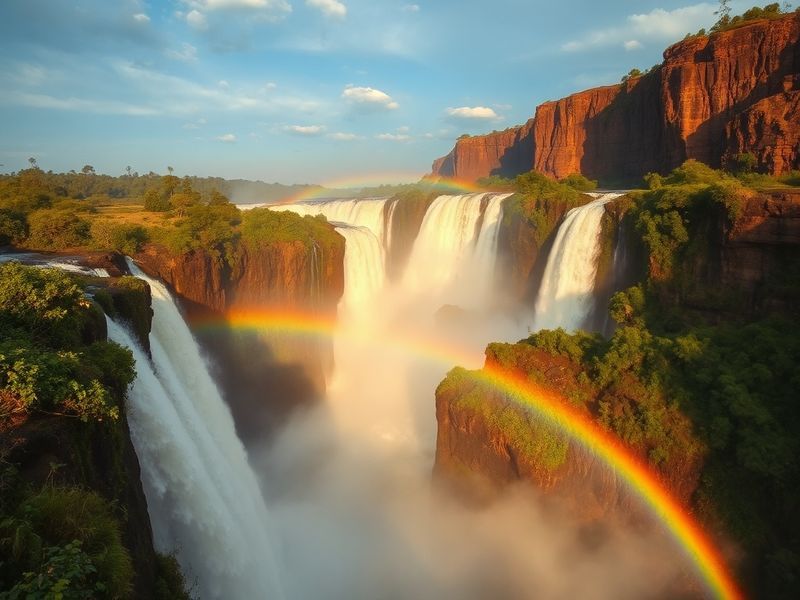
Yet, there are glimmers of hope. Zimbabwe’s agricultural sector, once devastated by land reforms, is slowly recovering with the rise of small-scale farmers and contract farming initiatives. The mining sector, particularly lithium, has attracted foreign investment, positioning Zimbabwe as a potential key player in the global electric vehicle supply chain. Tourism, too, offers promise, with Victoria Falls and national parks drawing visitors eager to experience one of Africa’s most stunning landscapes.
Economic Priorities for Zimbabwe
- Currency Stabilization: Restoring confidence in the Zimbabwean dollar through transparent monetary policies and fiscal discipline.
- Infrastructure Investment: Revitalizing roads, power grids, and water systems to support both urban and rural communities.
- Diversification: Moving beyond reliance on mining and agriculture to develop manufacturing and technology sectors.
- Land Reform Reassessment: Balancing historical justice with economic productivity to ensure food security and rural development.
- Regional Integration: Strengthening trade ties with neighbors like Zambia, Mozambique, and South Africa to boost exports.
Political Dynamics: A Fragile Transition
Politics in Zimbabwe remains a delicate balancing act. The 2018 elections, widely criticized by international observers for irregularities, underscored the challenges of democratic consolidation. While Mnangagwa’s administration has pledged reforms, including anti-corruption measures and media liberalization, skepticism persists. Opposition figures, such as Nelson Chamisa of the Citizens Coalition for Change, continue to push for greater accountability and electoral fairness.
The military’s role in politics is another complicating factor. Though the 2017 intervention was framed as a correction rather than a coup, it set a precedent that could undermine civilian rule. Meanwhile, Zimbabwe’s relationships with regional bodies like the African Union and Southern African Development Community (SADC) remain critical. These organizations often prioritize stability over democracy, which can embolden authoritarian tendencies.
Civil society in Zimbabwe is vibrant, with activists and journalists risking arrest to expose corruption and demand justice. The #ZimShutDown protests of 2019, sparked by a fuel price hike, demonstrated the power of collective action, even as they were met with brutal crackdowns. These events highlight both the resilience of Zimbabweans and the lengths to which the state will go to maintain control.
Cultural Riches and the Power of Identity
Beyond its economic and political narratives, Zimbabwe is a cultural powerhouse. The country’s music, from the traditional sounds of mbira (thumb piano) to the modern beats of artists like Winky D and Takura, reflects a fusion of indigenous heritage and global influences. The annual Harare International Festival of the Arts (HIFA) draws artists and audiences from across the continent, showcasing Zimbabwe’s role as a creative hub.
Literature, too, has played a pivotal role in shaping Zimbabwe’s identity. Writers like Tsitsi Dangarembga, author of the Booker Prize-shortlisted Girl, Woman, Other, and the late Dambudzo Marechera have used their work to challenge colonial narratives and explore the complexities of post-independence life. Their voices are essential in a world where Zimbabwe’s story is often reduced to stereotypes of crisis and chaos.
Traditional crafts, such as Shona sculpture and Ndebele beadwork, are not just artistic expressions but also economic lifelines for rural communities. These art forms, passed down through generations, carry stories of survival, resistance, and hope. Supporting Zimbabwe’s cultural industries could provide sustainable livelihoods while preserving its heritage.
The Road Ahead: What’s Next for Zimbabwe?
Zimbabwe’s future hinges on its ability to reconcile its past with its aspirations. The country’s challenges are daunting, but so too are its strengths: a young, educated population, abundant natural resources, and a deep well of cultural pride. The path forward requires bold leadership willing to confront corruption, prioritize transparency, and invest in its people.
International partners, including the International Monetary Fund (IMF) and World Bank, could play a role in stabilizing Zimbabwe’s economy, but any assistance must be tied to genuine reforms. Regional neighbors, too, have a stake in Zimbabwe’s stability, given its central location in Southern Africa and its potential to drive economic integration.
For Zimbabweans, the journey is one of reclaiming agency. Whether through grassroots activism, entrepreneurial innovation, or cultural preservation, the people of Zimbabwe are not passive victims of circumstance. They are architects of their own destiny, and their story is far from over.
The world often overlooks Zimbabwe, preferring to focus on larger or more volatile nations. Yet, in its quiet resilience, Zimbabwe offers lessons in endurance and reinvention. It reminds us that progress is not linear, and that hope can flourish even in the most adverse conditions.
As Zimbabwe looks to the future, one thing is clear: its greatest resource has always been its people. And with the right conditions, that resource could propel the nation to heights yet unimagined.
Read more news updates on Dave’s Locker or explore in-depth analysis on global trends.