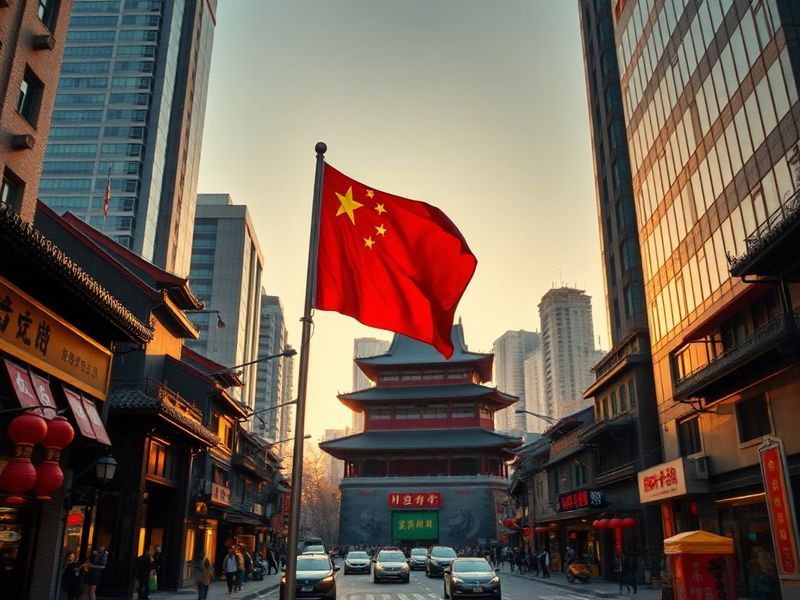
Ongoing Trade Tensions and Economic Shifts
China’s economic relationship with the United States remains a focal point in 2024, as trade policies continue to evolve under shifting global dynamics. Recent months have seen renewed discussions around tariffs and export controls, particularly concerning advanced technologies like semiconductors. The U.S. has maintained restrictions on certain semiconductor exports to China, citing national security concerns. This has prompted Beijing to accelerate its domestic production capabilities, particularly in areas such as AI and 5G infrastructure.
The ripple effects of these policies extend beyond bilateral relations. European nations, including Germany and France, have also adjusted their trade strategies with China, balancing economic interests with geopolitical considerations. European Commission President Ursula von der Leyen recently emphasized the need for “de-risking” rather than decoupling from China, signaling a more nuanced approach to economic engagement.
Key Takeaways from Recent Trade Developments
- Semiconductor Restrictions: The U.S. has tightened controls on semiconductor exports to China, impacting industries reliant on advanced chips.
- Domestic Innovation Push: China is investing heavily in domestic semiconductor production and AI technologies to reduce dependency on foreign suppliers.
- European De-risking Strategy: The EU is recalibrating its economic ties with China, prioritizing strategic sectors while maintaining trade in non-sensitive areas.
Political Reforms and Governance Challenges
China’s political landscape in 2024 is marked by preparations for the next National People’s Congress, where leadership transitions and policy priorities will take center stage. President Xi Jinping’s consolidation of power remains a defining feature of China’s governance, with recent appointments reinforcing the dominance of his political faction. However, this centralization of authority also presents challenges, particularly in addressing regional disparities and economic slowdowns.
Public sentiment has been influenced by ongoing discussions about income inequality and the cost of living, particularly in major urban centers like Beijing and Shanghai. Protests over housing affordability and job market pressures have underscored the need for policy adjustments. In response, local governments have introduced measures to stabilize housing markets, though their effectiveness remains to be seen.
Policy Priorities Ahead of the National People’s Congress
- Economic Stimulus: Efforts to revitalize growth through infrastructure investments and consumer incentives are expected to dominate discussions.
- Social Stability: Addressing housing affordability and youth unemployment will be critical to maintaining public confidence.
- Global Engagement: China’s approach to international diplomacy, particularly in the Middle East and Africa, will shape its role on the global stage.
Technological Advancements and Regulatory Crackdowns
China’s technology sector continues to be a battleground for innovation and regulation. The government has intensified scrutiny of tech giants, particularly in areas like data privacy and antitrust practices. Recent crackdowns on companies such as Tencent and ByteDance reflect a broader trend toward tighter control over digital ecosystems. These measures aim to curb monopolistic behaviors while ensuring compliance with national security laws.
Despite regulatory challenges, China’s tech sector is making strides in areas like quantum computing and electric vehicles. Companies like Huawei are pushing boundaries in 6G research, while EV manufacturers such as BYD are expanding their global market share. The tension between innovation and regulation will likely define the sector’s trajectory in the coming years.
Broader Implications for Global Markets
The developments in China are not occurring in isolation. They have far-reaching consequences for global supply chains, financial markets, and geopolitical alliances. For instance, the semiconductor trade war between the U.S. and China has disrupted manufacturing cycles, affecting industries from smartphones to automotive production. Meanwhile, China’s pivot toward domestic innovation is reshaping global trade flows, particularly in high-tech sectors.
Financial markets are also reacting to these shifts. Investors are closely monitoring China’s economic indicators, such as GDP growth and consumer spending, for signs of recovery or further slowdown. The country’s role in global climate initiatives, particularly in renewable energy, adds another layer of complexity to its international relationships.
For those interested in deeper analysis, Dave’s Locker News and Dave’s Locker Analysis sections offer comprehensive coverage of these trends. These resources provide context and expert perspectives on the evolving landscape.
What to Watch in the Coming Months
- National People’s Congress: The outcomes of this session will set the tone for China’s economic and political agenda.
- Semiconductor Trade Policies: Any adjustments to U.S. export controls could significantly impact global tech supply chains.
- Tech Sector Regulations: Further crackdowns or reforms in the tech industry may reshape innovation and competition.
Conclusion
China’s trajectory in 2024 is defined by a mix of challenges and opportunities. Trade tensions, political reforms, and technological advancements are shaping the country’s role in the global arena. While the path forward is fraught with uncertainties, China’s ability to adapt and innovate will determine its influence in the years to come. For observers and investors alike, staying informed about these developments is essential to understanding the broader implications for international relations and economic stability.
As the year progresses, all eyes will remain on Beijing as it navigates these complex dynamics. The decisions made today will have lasting effects on industries, markets, and geopolitical alliances worldwide.