The Origins of the Conflict
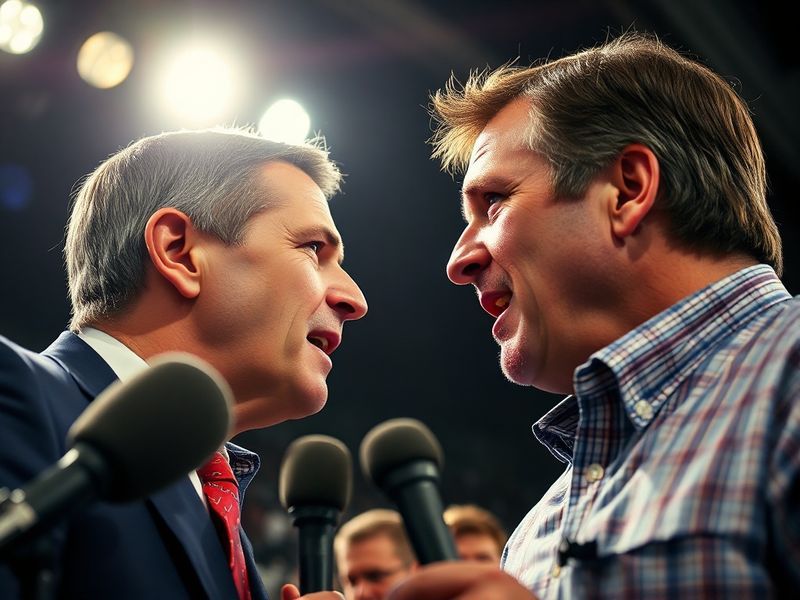
The confrontation between podcaster Dan Driscoll and Fox News host Pete Hegseth didn’t emerge from a single televised moment but rather from a growing divide between traditional conservative media and digital-first political commentary. Driscoll, co-host of the Dan & Steiny Show on Dave’s Locker, has built a following by blending sharp political analysis with unfiltered humor, often targeting both sides of the aisle. Hegseth, meanwhile, represents the establishment wing of conservative media, with a background in military service and a platform on Fox Business.
Their clash began when Hegseth took issue with comments Driscoll made during a live broadcast about Fox News’ coverage of election integrity. In a segment that aired in early March, Driscoll questioned the network’s hesitancy to pursue certain election-related stories, suggesting that their approach reflected institutional caution rather than journalistic integrity. Hegseth responded on his show, calling Driscoll’s remarks “irresponsible” and accusing him of undermining conservative media’s credibility.
Key Points of Contention
The dispute between Driscoll and Hegseth centers on several core issues that reflect broader tensions within the conservative movement:
- Media Trust and Credibility: Driscoll has long criticized Fox News for what he sees as a retreat from hard-hitting journalism, particularly on issues like election integrity. Hegseth, who has been a vocal defender of Fox’s editorial decisions, argues that such criticism undermines the network’s efforts to maintain a balanced approach.
- Tone and Messaging: Driscoll’s style is often irreverent and blunt, relying on satire and memes to make his points. Hegseth, by contrast, leans into a more polished, patriotic tone, appealing to a traditional conservative audience. Their clash highlights the growing divide between digital-native and legacy media personalities.
- Election Narratives: The debate over election integrity remains a flashpoint. Driscoll has been a vocal advocate for further investigation into claims of irregularities, while Hegseth has emphasized the need for caution, citing the lack of conclusive evidence in many cases.
- Personal vs. Professional Criticism: The feud escalated when Hegseth suggested that Driscoll’s motivations were driven by a desire for attention rather than genuine concern for conservative principles. Driscoll fired back by accusing Hegseth of being more interested in maintaining access to power than in holding institutions accountable.
Broader Implications for Conservative Media
The Driscoll-Hegseth clash is more than just a personal feud; it underscores deeper fractures within conservative media. For years, Fox News has dominated the right-leaning media landscape, but the rise of digital platforms has given voice to a new generation of commentators who prioritize immediacy and authenticity over institutional loyalty. Driscoll’s success on Dave’s Locker, a platform that embraces diverse voices and unfiltered commentary, reflects this shift.
Hegseth’s reaction to Driscoll’s criticism highlights the tension between legacy media and upstart personalities. While Hegseth has built his career on traditional conservative values, his defense of Fox News’ editorial choices suggests a reluctance to embrace the more confrontational style that resonates with younger, digital-native audiences. This divide is not unique to Driscoll and Hegseth; it mirrors similar tensions between figures like Tucker Carlson and newer voices like Charlie Kirk or Ben Shapiro, who have found success outside the traditional media establishment.
One of the most significant implications of this clash is the erosion of a unified conservative media narrative. In the past, Fox News and other conservative outlets could largely dictate the terms of the national conversation. Today, however, the proliferation of podcasts, YouTube channels, and social media platforms has fragmented the audience, making it harder for any single voice to claim authority. Driscoll’s willingness to challenge even fellow conservatives reflects this new reality, where loyalty to the movement is often secondary to the pursuit of truth—or at least, the perception of it.
What Comes Next?
The feud between Driscoll and Hegseth shows no signs of resolution, but its impact will likely extend beyond their personal rivalry. For conservative media, the clash serves as a case study in the challenges of adapting to a rapidly changing landscape. Legacy outlets like Fox News must decide whether to embrace the more aggressive, digital-native style of commentary or double down on their traditional approach. Meanwhile, upstart personalities like Driscoll will continue to push boundaries, forcing established figures to either adapt or risk becoming irrelevant.
For audiences, the divide presents both opportunities and challenges. On one hand, the diversity of voices ensures that a wider range of perspectives is represented. On the other, the lack of a unified narrative can make it difficult to discern which sources are credible. As Driscoll and Hegseth’s feud demonstrates, the lines between legitimate criticism and personal attacks are often blurred, leaving consumers to navigate a media landscape that is as contentious as it is informative.
Ultimately, the resolution—or lack thereof—of this clash may set a precedent for how conservative media evolves in the coming years. Will it fracture further into competing factions, or will new alliances emerge to bridge the gap between tradition and innovation? One thing is certain: the debate over the future of conservative media is far from over.
Where to Follow the Story
For more perspectives on the evolving media landscape, explore these related categories on Dave’s Locker: