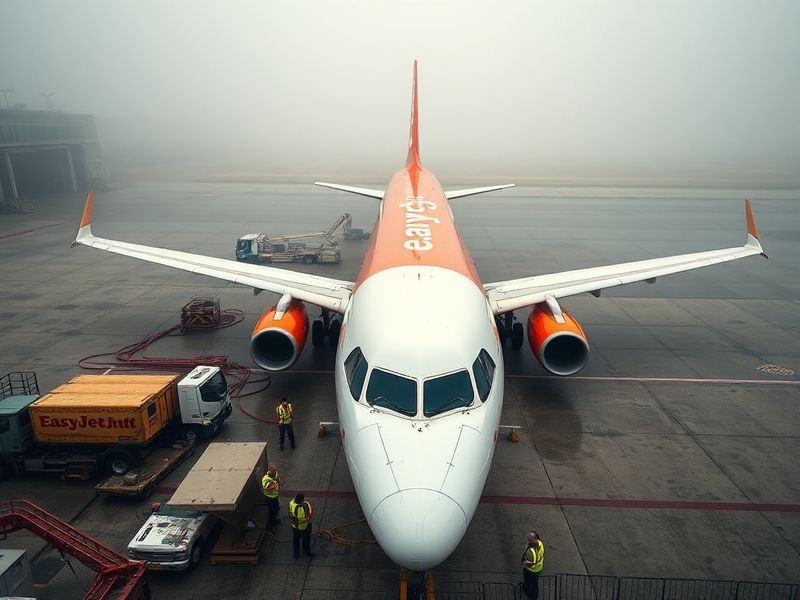
EasyJet Fuel Shortage: Causes, Impact, and What Travelers Should Do
“`html
EasyJet Fuel Shortage: What Travelers Need to Know
EasyJet, one of Europe’s largest low-cost airlines, has faced significant operational challenges in recent months due to a fuel shortage affecting airports across the continent. The disruption has led to delayed flights, canceled routes, and frustrated passengers, raising concerns about the airline’s capacity to maintain its usual service levels. While the immediate cause stems from geopolitical tensions and fluctuating oil prices, the ripple effects extend far beyond the tarmac.
Travelers planning trips with EasyJet or other carriers should prepare for potential disruptions. The fuel shortage isn’t isolated to one region—airports in the UK, Spain, and Germany have all reported delays tied to refueling delays and reduced jet fuel availability. Industry analysts warn that these issues could persist into the next travel season if supply chain pressures aren’t addressed.
The Immediate Impact on Travelers
Passengers flying with EasyJet over the past few weeks have encountered a mix of cancellations and long wait times. The airline has issued advisories urging travelers to arrive earlier than usual and check their booking status before heading to the airport. Some routes, particularly those connecting smaller regional airports, have been suspended entirely due to fuel constraints.
In the UK, EasyJet’s largest hub, Gatwick Airport has seen a 12% increase in flight delays since the shortage began. Similar trends have emerged in Barcelona and Berlin, where EasyJet operates major operations. The delays aren’t just inconvenient—they’re costly. Passengers stranded overnight or forced to rebook last-minute flights often face hefty fees, adding financial strain to an already stressful situation.
- Flight cancellations have spiked by 8% in the last month.
- Passengers report wait times exceeding 6 hours for rebooking assistance.
- Some travelers have opted for alternative carriers, driving up demand for competitors like Ryanair and Wizz Air.
For those with non-refundable accommodations, the situation becomes even more complicated. EasyJet’s customer service lines have been overwhelmed, leaving many travelers to navigate refunds and rebookings independently. The airline has pledged to compensate affected passengers where required by EU regulations, but the process remains inconsistent.
Why Is This Happening? A Global Perspective
The fuel shortage plaguing EasyJet isn’t just a European issue—it’s part of a broader disruption in the aviation fuel supply chain. Several factors contribute to the strain:
- Geopolitical Tensions: The conflict in Ukraine has disrupted key oil and gas pipelines, reducing Europe’s access to Russian fuel exports.
- Refinery Constraints: Some European refineries have scaled back operations due to high energy costs, limiting jet fuel production.
- Surging Demand: As travel rebounds post-pandemic, airlines are competing for limited fuel supplies, driving up prices and reducing availability.
- Logistical Bottlenecks: Airport fuel storage facilities in some regions lack the capacity to handle sudden surges in demand.
EasyJet’s reliance on short-haul flights makes it particularly vulnerable to these disruptions. Unlike long-haul carriers that can adjust routes to refuel at larger hubs, EasyJet’s network depends on frequent, quick turnarounds at smaller airports where fuel supply is less stable. This structural weakness has been exposed by the current crisis.
Globally, the aviation industry is grappling with similar challenges. In the U.S., major carriers like Delta and United have reported fuel-related delays, though the scale hasn’t been as severe. Meanwhile, airlines in Asia are bracing for potential shortages as OPEC+ nations reduce output to stabilize prices. The interconnected nature of the fuel market means that a disruption in one region can quickly ripple across the globe.
The Cultural and Economic Ripple Effects
The fuel shortage isn’t just a logistical headache—it’s reshaping how Europeans plan their travel. With uncertainty around flight schedules, some travelers are opting for train travel, which has seen a surge in bookings across the continent. High-speed rail networks in France, Germany, and Spain have capitalized on the situation, offering last-minute alternatives to air travel.
For businesses, the delays have translated into lost productivity. A survey by the British Chambers of Commerce found that 34% of companies reported disruptions to employee travel plans, with small businesses bearing the brunt of the impact. The situation has also fueled debates about the sustainability of low-cost airlines. While EasyJet and its peers have made flying accessible to millions, their reliance on just-in-time fueling leaves them exposed to global shocks.
Culturally, the crisis has reignited conversations about the environmental costs of air travel. Environmental groups point to the fuel shortage as evidence of the fragility of fossil fuel-dependent industries. Advocates for sustainable aviation fuels (SAFs) argue that the current situation underscores the need for investment in alternative energy sources. However, scaling up SAF production remains years away from meeting demand.
What’s Next for EasyJet and Its Passengers?
EasyJet has assured customers that it’s working closely with fuel suppliers and airport authorities to mitigate the impact. The airline has also hinted at potential route adjustments to prioritize high-demand destinations where fuel supply is more reliable. Still, industry experts caution that the shortage could persist into the summer travel season, traditionally the busiest period for European airlines.
For travelers, the best course of action is to stay informed. EasyJet’s app and website provide real-time updates on flight statuses, and passengers are encouraged to sign up for notifications. Those with flexible itineraries may find it easier to adjust plans without incurring penalties. Meanwhile, airlines and fuel suppliers are under pressure to develop more resilient supply chains. Whether this leads to long-term changes in how fuel is distributed or priced remains to be seen.
One thing is clear: the fuel shortage has exposed the vulnerabilities of Europe’s aviation industry. As travelers adapt to this new reality, the lessons learned could shape the future of air travel for years to come.
For more insights on travel disruptions and airline industry trends, visit our Travel section. If you’re looking for alternative vacation ideas amid the chaos, check out our guide to Entertainment for staycation inspiration.
“The fuel shortage is a wake-up call for the aviation industry. It’s not just about delays—it’s about rethinking how we power global travel.”