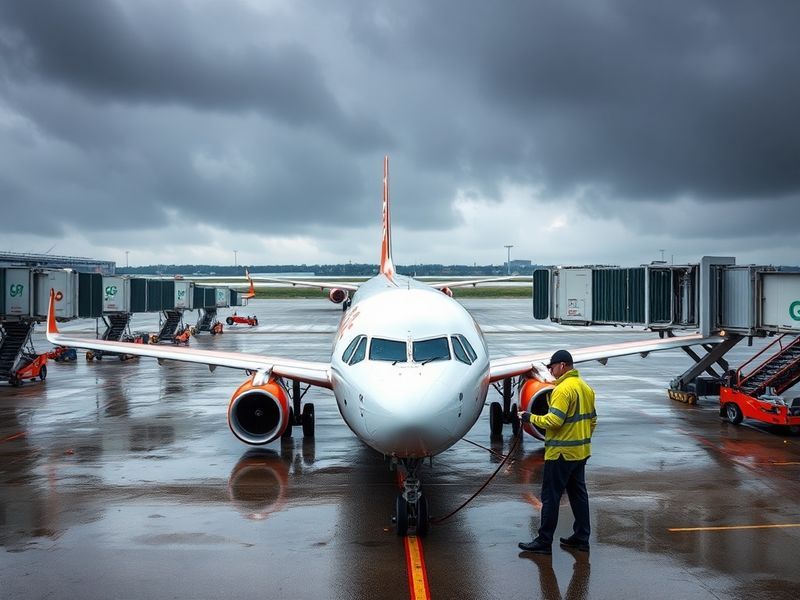
EasyJet Fuel Shortage Causes Travel Chaos: What Travelers Should Know
“`html
EasyJet Fuel Shortage Disrupts Summer Travel Plans
Holidaymakers booking flights with EasyJet are facing fresh uncertainty this summer, as reports emerge of localized fuel shortages at airports across the UK and Europe. The disruption, which began affecting operations in late June, has already led to delays, cancellations, and last-minute gate changes for thousands of passengers. While EasyJet has emphasized that the situation remains manageable, industry analysts warn that the issue could signal broader challenges ahead for budget airlines operating in an increasingly volatile energy market.
What’s Behind the Fuel Shortage?
The immediate cause of the disruption appears to be a combination of logistical bottlenecks at refueling hubs and heightened demand during the peak summer travel season. Aviation fuel suppliers, already stretched thin by global supply chain issues, are struggling to keep pace with sudden spikes in consumption. Reports from industry sources suggest that several UK airports, including London Gatwick and Manchester, have experienced delays in fuel deliveries, forcing EasyJet to adjust its schedules proactively to avoid stranded aircraft.
Energy analysts point to a few key factors exacerbating the problem:
- Geopolitical tensions: Ongoing conflicts in Eastern Europe have disrupted traditional fuel supply routes, increasing reliance on more expensive or less reliable alternatives.
- Refinery maintenance: Unplanned shutdowns at key European refineries have reduced overall fuel output, creating a tighter market.
- Currency fluctuations: The weaker pound has made imported fuel more costly for UK-based airlines, further squeezing margins.
EasyJet has downplayed the severity of the issue, stating in a recent statement that the airline is working closely with suppliers to minimize disruptions. However, the company did acknowledge that some passengers may experience delays or cancellations, particularly on routes departing from airports with known fuel supply challenges.
The Impact on Travelers
For passengers already navigating the complexities of post-pandemic travel—from rising ticket prices to crowded airports—the fuel shortage adds another layer of frustration. Social media has been flooded with complaints from travelers who’ve received last-minute notifications about canceled flights or rerouted itineraries. One EasyJet customer traveling from Bristol to Amsterdam described the experience as “stressful,” noting that the airline offered no compensation beyond a refund for the canceled flight.
Under EU regulations, passengers are entitled to compensation for cancellations under certain conditions, but the rules become murkier when disruptions are caused by factors outside the airline’s control. EasyJet has argued that the fuel shortage falls into this category, leaving many travelers uncertain about their rights. Consumer advocacy groups have criticized the airline for its lack of transparency, urging passengers to document all communications and expenses incurred due to delays.
To mitigate the fallout, EasyJet has introduced a series of measures aimed at keeping customers informed:
- Real-time updates via its app and website, including notifications about potential delays.
- Flexible rebooking options for affected passengers, allowing them to change flights without fees.
- A dedicated customer service hotline to address individual concerns.
While these steps offer some relief, they do little to address the underlying issue: the growing unpredictability of fuel supplies in a rapidly changing energy landscape.
Broader Implications for the Aviation Industry
EasyJet’s fuel shortage is more than just a temporary inconvenience—it highlights the fragility of the global aviation industry’s supply chains. Budget airlines, in particular, operate on razor-thin margins, leaving little room for unexpected cost spikes. If fuel shortages become a recurring issue, the industry could face a wave of consolidation or even route reductions, particularly for airlines heavily reliant on short-haul flights.
Environmental factors are also at play. The aviation sector is under increasing pressure to reduce its carbon footprint, yet fuel shortages could push airlines toward less sustainable alternatives, such as older, less efficient aircraft or increased reliance on carbon offsets. This tension between cost, reliability, and sustainability is likely to shape the future of air travel in unpredictable ways.
Industry experts suggest that airlines may need to invest more heavily in fuel hedging strategies or explore partnerships with alternative energy providers to mitigate future risks. For now, however, passengers and airlines alike are left navigating a volatile landscape where even the simplest travel plans can be upended by forces beyond their control.
What’s Next for EasyJet and Its Customers?
As summer progresses, the question remains: Will the fuel shortage ease, or is this the beginning of a longer-term challenge for EasyJet and similar carriers? The airline has not provided a timeline for when normal operations might resume, but industry watchers are closely monitoring the situation. In the meantime, travelers are advised to:
- Check for updates: Monitor EasyJet’s app or website for real-time information about your flight.
- Consider travel insurance: Policies that cover trip cancellations or delays due to fuel shortages can provide peace of mind.
- Plan for contingencies: If your flight is canceled, explore alternative travel options, such as trains or other airlines, especially for short-haul routes.
- Document everything: Keep records of communications with EasyJet and any additional expenses incurred due to disruptions.
For now, EasyJet remains committed to maintaining its summer schedule, but the fuel shortage serves as a stark reminder of how quickly even the most carefully laid plans can unravel. As the airline industry grapples with an evolving energy landscape, passengers would do well to stay informed, flexible, and prepared for the unexpected.
For more on how travel disruptions are shaping the industry, visit our Travel and News sections.