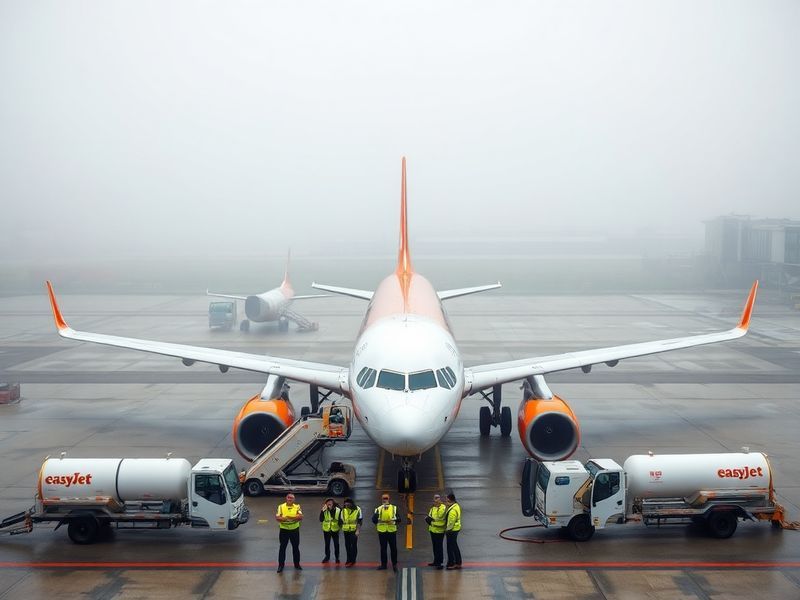
easyJet Fuel Shortage Explained: Causes, Impact & Travel Tips
“`html
easyJet Fuel Shortage: What Travelers Need to Know
easyJet, one of Europe’s largest budget airlines, has faced persistent fuel supply challenges over the past year, disrupting operations and raising concerns among passengers. The issue stems from a combination of global energy market volatility, refinery constraints, and logistical bottlenecks in aviation fuel distribution. While the airline insists most flights remain unaffected, travelers have reported delays, cancellations, and last-minute changes—particularly during peak travel seasons.
The situation reflects broader pressures in the aviation industry, where fuel costs account for roughly a third of an airline’s operating expenses. As the UK’s largest short-haul carrier, easyJet’s struggles highlight how sensitive the sector is to external shocks, even as airlines attempt to recover from the pandemic’s lingering effects.
The Root Causes Behind the Fuel Shortage
The current fuel supply issues didn’t emerge overnight. They are the result of layered disruptions across multiple sectors:
- Global refining constraints: Several major European refineries have reduced output due to maintenance upgrades and stricter environmental regulations. This has tightened the supply of jet fuel, also known as kerosene, which is a specialized product distinct from regular gasoline or diesel.
- Geopolitical tensions: Ongoing instability in oil-producing regions has limited crude availability, pushing up prices and reducing refining margins. This makes it less profitable for some facilities to produce jet fuel specifically.
- Logistical delays: Aviation fuel requires specialized storage and pipeline infrastructure. Bottlenecks at key hubs, including London Gatwick and Manchester, have slowed distribution, leading to localized shortages.
- Seasonal demand spikes: Summer travel demand surged earlier than expected, catching suppliers off guard. Airlines like easyJet, which rely on just-in-time fueling to minimize costs, found themselves competing for limited supplies.
Industry analysts note that the problem is not unique to easyJet. Rival carriers such as Ryanair and Wizz Air have also reported operational hiccups tied to fuel availability. However, easyJet’s high-profile brand and large customer base have made it a focal point for scrutiny.
How the Crisis Is Affecting Passengers
Travelers have encountered a range of disruptions, from minor inconveniences to significant trip-altering changes. Reports on consumer forums and social media reveal a pattern of frustration:
- Last-minute cancellations: Some passengers received notifications as little as 24 hours before departure that their flights had been canceled, often due to fueling delays at the airport.
- Extended layovers: In cases where alternative flights were arranged, many passengers faced significantly longer travel times, particularly on routes requiring connections.
- Increased costs: While easyJet has not raised ticket prices broadly, passengers rerouted on other carriers or through different airports have reported paying more for comparable seats.
- Uncertainty during booking: Some travelers have expressed hesitation when booking future trips, citing concerns over reliability. The airline’s customer service channels have been overwhelmed, leading to longer wait times and delayed responses.
easyJet has attributed most disruptions to “operational factors” rather than fuel scarcity per se, but industry observers question whether the airline’s cost-cutting measures—such as reducing fuel reserves to maintain competitive pricing—may have left it more vulnerable to supply shocks.
Broader Implications for the Aviation Industry
The fuel shortage at easyJet is more than a temporary operational hiccup; it signals deeper structural challenges within the aviation sector. Three key areas stand out:
- Financial strain: With fuel prices remaining volatile, airlines face a double bind: higher costs squeeze profit margins, yet raising ticket prices risks losing price-sensitive customers to competitors or alternative transport modes.
- Environmental pressure: Airlines are under increasing regulatory and consumer pressure to reduce carbon emissions. Yet, the current supply crunch may slow the adoption of sustainable aviation fuels (SAFs), which are more expensive and less widely available than conventional jet fuel.
- Operational resilience: The crisis has exposed vulnerabilities in lean supply chains that prioritize cost efficiency over redundancy. Airlines may need to rethink fuel storage strategies, even if it means higher capital costs.
Some industry leaders argue that consolidation among European refiners and investment in dedicated aviation fuel infrastructure could mitigate future risks. However, such solutions require coordination across governments, energy firms, and airlines—an unlikely prospect in the near term given current economic headwinds.
What Travelers Can Do to Prepare
While easyJet continues to assure customers that the vast majority of flights operate as scheduled, travelers can take proactive steps to minimize disruption:
- Check frequently: Monitor your flight status 72 hours before departure and again 24 hours prior. easyJet’s app and website provide real-time updates, though response times during peak issues can lag.
- Consider travel insurance: Policies that cover trip cancellations or delays due to airline operational issues—not just medical emergencies or natural disasters—can offer financial protection. Review the fine print to confirm coverage details.
- Have a backup plan: Identify alternative airports or routes in advance. For example, if flying from London Stansted instead of Luton, you may have more options if disruptions occur.
- Pack essentials: Keep medications, a change of clothes, and charging cables in your carry-on. Delays can extend beyond expected windows, especially during peak travel periods.
- Contact customer service early: If you anticipate issues, reach out to easyJet’s customer support before arriving at the airport. While response times vary, proactive communication can sometimes expedite solutions.
The current fuel shortage at easyJet underscores how interconnected modern travel has become. A disruption in one corner of the supply chain—whether a refinery in Europe or a geopolitical conflict halfway across the world—can ripple through thousands of itineraries. For travelers, patience and preparation are now as essential as boarding passes.
The airline has reiterated its commitment to maintaining service levels and is working closely with fuel suppliers to secure stable supply chains. Whether these efforts will be enough to restore full confidence remains an open question—one that will likely shape easyJet’s strategy and reputation in the years ahead.
For now, passengers are advised to stay informed, remain flexible, and approach their journeys with a mindset that balances optimism with realism. The skies may be clearer than they appear, but the ground realities of travel demand vigilance.