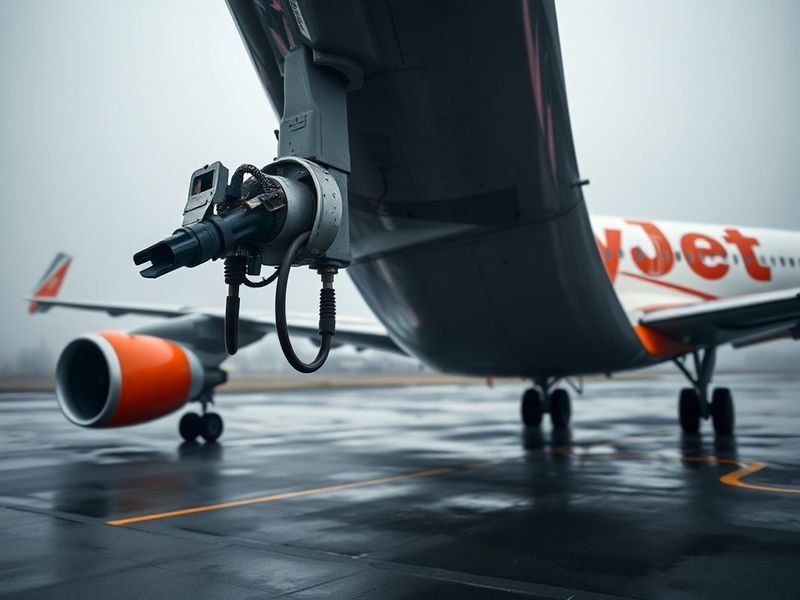
EasyJet Fuel Shortage Hits Europe: What Travelers Need to Know
“`html
EasyJet Fuel Shortage Leaves Travelers Grounded and Airlines Scrambling
Passengers booking flights with EasyJet this summer face an unexpected challenge: a persistent fuel shortage that has disrupted schedules, raised costs, and forced last-minute changes. The issue isn’t isolated to a single airport but spans multiple European hubs, creating a domino effect for travelers and the airline industry alike.
The shortage stems from a combination of factors, including geopolitical tensions, refinery constraints, and logistical bottlenecks in fuel distribution. While EasyJet has historically prided itself on cost efficiency and reliable operations, the current crisis tests the airline’s ability to adapt in an unpredictable market. Industry analysts warn that this disruption could reshape how budget airlines manage fuel procurement and contingency planning.
How the Fuel Shortage Unfolded
The first signs of trouble appeared in early June when EasyJet reported delays at several key airports, including London Gatwick and Amsterdam Schiphol. Initially dismissed as temporary hiccups, the disruptions soon revealed a deeper issue: inconsistent fuel availability. Reports from pilots and ground staff indicated that planes were occasionally held on the tarmac while crews waited for refueling approvals, leading to cascading delays throughout the day.
By mid-July, the situation had escalated. Social media filled with frustrated travelers sharing photos of grounded planes and canceled flights. EasyJet responded with a statement acknowledging “supply chain challenges” but assured customers that 90% of flights were operating as scheduled. Still, the exceptions—flights delayed by hours or outright canceled—highlighted the fragility of the airline’s operational model when external factors intervene.
Root Causes Behind the Disruption
The fuel shortage affecting EasyJet isn’t merely a supply issue—it’s a convergence of global and local pressures. Several key factors are at play:
- Geopolitical Tensions: The war in Ukraine has disrupted traditional fuel supply routes, particularly from Russia, which has historically supplied a significant portion of Europe’s aviation fuel. Sanctions and rerouted trade flows have strained availability.
- Refinery Limitations: Europe’s aging refinery infrastructure struggles to meet sudden spikes in demand. Many facilities operate at reduced capacity due to maintenance or environmental regulations, limiting their ability to increase output quickly.
- Logistical Bottlenecks: Fuel distribution networks, already stretched thin, face delays due to labor shortages in transportation and port congestion. Truck drivers and storage facilities are operating near capacity, leaving little room for error.
- Seasonal Demand Surge: Summer travel peaks coincide with maintenance shutdowns at refineries, creating a perfect storm where demand outstrips supply. Airlines like EasyJet, which rely on just-in-time fueling, feel the pinch first.
These challenges aren’t unique to EasyJet. Rival airlines Ryanair and Wizz Air have also reported fuel access issues, though EasyJet’s high-frequency, point-to-point model makes it particularly vulnerable to disruptions. The airline’s reliance on a lean operational structure—designed to keep costs low—now exposes it to systemic risks beyond its control.
Impact on Travelers and the Industry
For passengers, the fallout has been immediate and personal. Families planning vacations, business travelers attending critical meetings, and students returning from semesters abroad have all felt the impact. The most common complaints involve:
- Last-Minute Cancellations: Travelers arriving at airports only to learn their flights won’t depart as scheduled, often with little notice.
- Extended Layovers: Passengers rerouted through alternative airports, adding hours or even days to their journeys.
- Financial Strain: Rebooking fees, hotel stays, and lost productivity for business travelers add up quickly.
- Stress and Uncertainty: The lack of clear communication from airlines exacerbates frustration, especially when compensation claims are denied due to “extraordinary circumstances.”
Beyond the passenger experience, the fuel shortage has broader implications for the aviation industry. Airlines are rethinking their fuel procurement strategies, with some exploring long-term contracts with suppliers to lock in prices and availability. Others are investing in sustainable aviation fuels (SAFs) as a hedge against volatile fossil fuel markets, though these options remain costly and limited in supply.
EasyJet, in particular, faces reputational risks. Known for its no-frills, budget-friendly approach, the airline’s promise of affordability now clashes with the reality of disrupted travel. Competitors like Ryanair have capitalized on the situation, running ads emphasizing their reliability—even if their prices are slightly higher. This shift could erode EasyJet’s market share in the long term.
What’s Next for EasyJet and Its Customers?
EasyJet has taken steps to mitigate the crisis, including increasing fuel reserves at key airports and negotiating with suppliers for priority access. The airline has also adjusted its schedule to reduce the number of flights dependent on tight fuel windows, though this comes at the cost of reduced capacity during peak travel periods.
For travelers, the advice remains practical: flexibility is key. Booking refundable tickets, choosing early morning flights (which are less likely to be delayed), and signing up for airline notifications can help navigate the uncertainty. Travel insurance with trip interruption coverage has also seen a surge in demand, as passengers seek protection against unforeseen disruptions.
Industry experts suggest that the fuel shortage could persist into the fall, particularly if geopolitical tensions escalate or refineries fail to ramp up production. Airlines are likely to pass some costs to consumers, potentially leading to higher ticket prices—a stark contrast to the era of ultra-low fares that defined budget travel.
In the long term, the crisis may accelerate changes in how airlines manage risk. Diversifying fuel sources, investing in alternative technologies, and enhancing supply chain transparency could become standard practices. For EasyJet, the lesson is clear: resilience in the face of external shocks requires more than just operational efficiency—it demands adaptability.
Key Takeaways for Travelers
If you’re planning to fly with EasyJet—or any airline—this summer, keep these points in mind:
- Check frequently: Flight statuses can change up to the last minute. Enable airline notifications and monitor updates closely.
- Have a backup plan: Consider alternative travel dates or routes, even if it means paying a premium for flexibility.
- Document everything: Keep receipts for meals, hotels, and transport in case you need to file compensation claims later.
- Explore travel insurance: Policies that cover trip interruptions or delays can provide peace of mind—and financial relief.
- Stay informed: Follow industry news for updates on fuel shortages and airline responses. Knowledge is your best tool for minimizing disruptions.
The fuel shortage serves as a reminder that even the most reliable systems can falter under pressure. For travelers, the experience underscores the importance of preparation and adaptability. For the aviation industry, it’s a wake-up call to build resilience into every aspect of operations.
As EasyJet and its peers navigate this turbulent period, one thing is certain: the way we travel is evolving, and the lessons learned today will shape the industry of tomorrow.