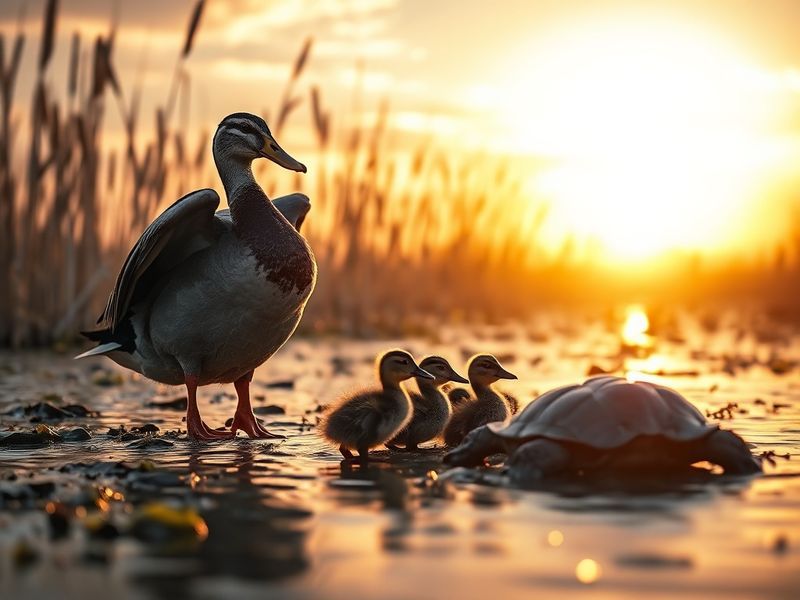
In the quiet wetlands and bustling urban ponds, a constant battle unfolds between ducks and the predators that see them as easy prey. This ancient struggle reveals much about the adaptability of wildlife and the delicate balance of ecosystems. Understanding these dynamics offers insight into conservation efforts and the resilience of nature itself.
The Natural Enemies of Ducks
Ducks face a surprisingly diverse array of predators across their habitats. Waterways attract both terrestrial and aquatic hunters, each employing different strategies to claim a meal. The most common threats include:
- Birds of prey – Hawks, eagles, and owls strike from above with precision, targeting ducklings and weaker adults.
- Mammalian hunters – Raccoons, foxes, coyotes, and even domestic dogs patrol shorelines, ambushing ducks as they nest or forage.
- Reptilian threats – Snapping turtles and large snakes lurk beneath the water’s surface, waiting to snatch ducklings or eggs.
- Fish and amphibians – Bullheads and large bullfrogs occasionally prey on ducklings in densely vegetated ponds.
Urban ducks face additional dangers from human-associated predators like feral cats and rats, which thrive in city environments. The presence of these hunters forces ducks to adapt their behaviors, often at a significant energy cost.
Survival Strategies in the Wild
Ducks have evolved a suite of defenses to counter these threats. Their first line of defense is often behavioral. Many species nest in dense vegetation or on islands, far from mammalian predators. Others, like the wood duck, utilize tree cavities to keep eggs and hatchlings safe from ground-based hunters.
Vigilance plays a crucial role. Mallards, for example, rely on sentinel ducks—often males—that watch for danger while the group feeds. This system allows the flock to react quickly to aerial or terrestrial threats. When a predator is spotted, the group employs one of two tactics: immediate flight or coordinated group defense.
Some species, like the muscovy duck, have developed physical adaptations. Their strong claws and aggressive nature allow them to fend off smaller predators. Others, such as the eider duck, rely on sheer numbers, nesting in colonies where collective vigilance deters attacks.
The Role of Camouflage and Speed
Ducks’ plumage often blends seamlessly with their surroundings, making them harder for predators to spot. The mottled browns of a female mallard, for instance, mirror the reeds and mud of a pond’s edge. When threatened, many ducks rely on their speed, either diving underwater or taking off in a burst of wingbeats.
Diving ducks, such as canvasbacks, have an advantage in deep water. Their ability to submerge quickly reduces their exposure to predators like snapping turtles or alligators. Meanwhile, surface-feeding ducks like teal rely on rapid takeoffs, often launching vertically to escape aerial hunters.
Human Impact on Predator-Prey Dynamics
Human activity has significantly altered the balance between ducks and their predators. Habitat destruction forces ducks into smaller, more vulnerable spaces where predators concentrate. Wetland drainage, pollution, and urban sprawl reduce both nesting sites and foraging grounds, leaving ducks with fewer options for evasion.
Conversely, human-provided resources can sometimes work in ducks’ favor. Feeding ducks in parks may reduce their need to venture into high-risk areas, though it also makes them easier targets for predators accustomed to human environments. Additionally, conservation programs that restore wetlands or install predator-proof nesting boxes can tilt the odds back in the ducks’ favor.
In some cases, human intervention has backfired. The introduction of invasive species, such as the small Indian mongoose in Hawaii, has devastated local duck populations by introducing new predators with no natural checks. Similarly, the overpopulation of certain predators, like coyotes in suburban areas, has led to unsustainable predation rates on waterfowl.
Conservation Efforts and the Future of Duck Survival
Protecting duck populations requires a multi-faceted approach. Habitat restoration remains the cornerstone of conservation, ensuring that ducks have access to safe nesting and feeding grounds. Organizations like Ducks Unlimited work globally to preserve wetlands, which serve as both duck habitats and natural buffers against predators.
Community science initiatives also play a role. Programs that monitor duck nests and track predator activity help researchers identify hotspots where intervention is needed. In urban areas, simple measures—such as removing invasive plants that harbor predators or installing predator guards on nesting boxes—can make a measurable difference.
Education is equally important. Teaching the public about the impacts of feeding ducks (which can habituate them to humans and make them vulnerable) or releasing pet predators (like large constrictor snakes) into the wild helps prevent unintended harm. Responsible pet ownership and habitat stewardship reduce the strain on wild duck populations.
For those interested in observing these dynamics firsthand, wetlands and urban ponds offer accessible opportunities. Visiting these spaces with respect for wildlife—keeping a safe distance and avoiding disturbances during nesting season—provides a glimpse into the ongoing struggle for survival.
Key Takeaways for Wildlife Enthusiasts
- Ducks employ a mix of behavioral, physical, and communal defenses to evade predators, from camouflage to coordinated group responses.
- Habitat loss and human activity have disrupted natural balances, increasing predation pressure on many duck species.
- Conservation efforts focus on habitat restoration, community science, and public education to support duck populations.
- Simple actions, like proper pet care and responsible feeding, can reduce unintended harm to wild ducks.
For more on wildlife conservation and duck behavior, explore these resources:
Conclusion
The battle between ducks and predators is more than a simple chase—it’s a reflection of nature’s adaptability and the ever-shifting pressures of survival. As humans continue to reshape the environment, our role in preserving these delicate balances becomes increasingly critical. Whether through conservation efforts, mindful coexistence, or simply observing with respect, we can all contribute to ensuring that ducks—and the predators they face—continue to thrive.
The next time you spot a duck on a pond, take a moment to appreciate the unseen struggles playing out in plain sight. Survival, after all, is a game where every advantage counts.