Invincible Comics: A Deep Look at a Modern Superhero Classic
“`html
Invincible Comics: The Evolution of a Modern Superhero Epic
Invincible comics represent a bold reimagining of the superhero genre, blending classic tropes with mature storytelling. Created by writer Robert Kirkman and artist Cory Walker, with later contributions from Ryan Ottley, the series debuted in 2003 under Image Comics. It quickly distinguished itself by subverting expectations, offering a narrative that balances dark humor, emotional depth, and brutal action.
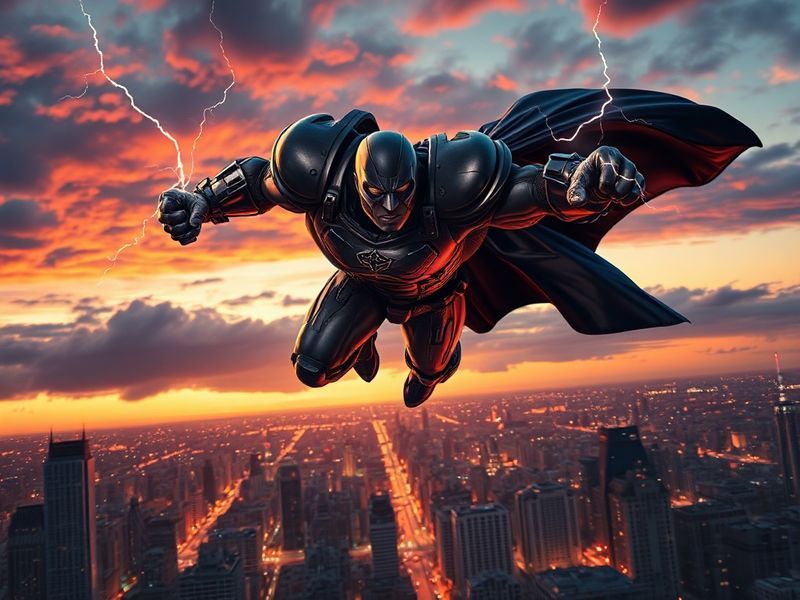
Unlike many superhero stories that rely on idealized heroes, Invincible follows Mark Grayson, a teenager discovering his superhuman abilities while navigating the complexities of adolescence. The series explores themes of family, power, and consequence, all wrapped in a sci-fi and fantasy framework. Its success helped redefine what independent comic book storytelling could achieve in the 21st century.
The Origins and Creative Vision Behind Invincible
Robert Kirkman conceived Invincible as a way to revitalize superhero comics without relying solely on nostalgia or corporate-owned characters. The concept emerged during a period when mainstream comics were dominated by decades-old franchises. Kirkman wanted to tell a story about what happens after a hero is made—not just the origin, but the ongoing struggle of living up to that identity.
Cory Walker served as the initial artist, establishing the series’ visual tone with a mix of dynamic action and grounded character expressions. When Ryan Ottley joined as the regular artist in 2005, the artwork evolved into a more polished, cinematic style that enhanced the story’s emotional weight. The collaboration between Kirkman and his artists created a visual language that felt both familiar and fresh.
The series launched during a renaissance for creator-owned comics, following the success of titles like The Walking Dead, also by Kirkman. While The Walking Dead leaned into horror, Invincible embraced superhero tropes before subverting them. This dual approach allowed the book to appeal to long-time fans of the genre while attracting new readers who appreciated its bold narrative choices.
Narrative Structure and Themes: Beyond the Cape
Invincible stands out for its willingness to confront uncomfortable truths about heroism. Mark Grayson’s journey is not one of triumphant destiny but of persistent doubt. The story frequently examines what it means to be a hero when the world is morally ambiguous. Villains are not one-dimensional; they often have sympathetic motivations, challenging readers to reconsider their allegiances.
The series also explores family dynamics with nuance. Mark’s relationship with his father, Nolan Grayson (Omni-Man), is central to the narrative. Nolan’s revelation as a genocidal Viltrumite warlord forces Mark to reconcile heroism with inherited identity. This generational conflict adds layers rarely seen in mainstream superhero comics.
The tone of Invincible oscillates between dark comedy and tragedy. Kirkman balances brutal fight scenes with quieter moments of character reflection. For instance, the series often uses humor to undercut moments of high drama, creating a rhythm that keeps readers engaged without trivializing the stakes.
Key Story Arcs and Turning Points
The first major arc, “Who Killed the Guardians of the Globe?”, introduces the mystery of a superhero team’s massacre and sets up the Viltrumite conflict. This storyline establishes the series’ willingness to kill off major characters, a rarity in superhero comics at the time. The subsequent arc, “The Red Harvest,” escalates the war between Earth and the Viltrumite Empire, testing Mark’s limits as a hero.
Later arcs, such as “Invincible War” and “Thragg,” push the story into larger-scale conflicts, exploring the consequences of Mark’s actions on a planetary scale. The series also introduces complex characters like Battle Beast, Angstrom Levy, and Invincible’s own son, Oliver. Each addition deepens the world while maintaining the series’ core themes of power and responsibility.
The Cultural Impact and Legacy of Invincible
Invincible’s influence extends beyond comics into other media. The animated adaptation by Amazon Prime Video, which premiered in 2021, brought the story to a wider audience. The show expanded on the source material, introducing new characters and refining the tone for television. It was praised for its faithfulness to the comics while adapting the narrative for a new medium.
The series also inspired a wave of creator-owned superhero comics that prioritized character depth over spectacle. Titles like Black Science, Monstress, and Saga owe a debt to Invincible’s approach to world-building and moral complexity. Its success proved that superhero stories could thrive outside the constraints of major publishers.
Invincible’s legacy is evident in its dedicated fanbase. The comics have remained in print for over two decades, with collected editions selling consistently. Conventions often feature panels and merchandise dedicated to the series, reflecting its enduring appeal. The story’s willingness to embrace ambiguity and consequences has cemented its status as a modern classic.
Why Invincible Resonates with Readers
Several factors contribute to Invincible’s lasting appeal. First, the character of Mark Grayson is relatable despite his superhuman abilities. His struggles with identity, relationships, and purpose mirror those of many readers, making his triumphs and failures feel personal. This grounding in human emotion elevates the story beyond typical superhero fare.
Second, the series’ art style evolves alongside its narrative. From Cory Walker’s rougher, more expressive early work to Ryan Ottley’s sleek, detailed later art, the visuals reflect the story’s emotional beats. Action sequences are dynamic, but quieter moments are given equal weight, creating a balanced reading experience.
Finally, Invincible’s willingness to embrace failure and mortality sets it apart. Characters die. Plans go wrong. Heroes make mistakes. This realism resonates with readers who crave stories that reflect the unpredictability of life. It’s a refreshing departure from the often-idealized narratives of mainstream superhero comics.
Where to Start with Invincible
For newcomers, the best entry point is the first trade paperback, Invincible Volume 1: Omni-Man. It collects the first twelve issues and introduces the core cast and conflicts. The pacing is tight, and the story balances action with character development effectively.
Readers interested in the animated series should start with the show’s first season, which closely follows the comics’ early arcs. The adaptation expands on the source material in ways that enhance the story, such as deepening the relationship between Mark and his mother, Debbie.
The series also has several spin-offs, including Invincible Presents: Atom Eve and Invincible Universe, which explore side characters and expand the lore. These are optional reads but offer additional depth for dedicated fans.
A Modern Classic in the Making
Invincible comics represent a turning point in superhero storytelling. By rejecting the notion that heroes must be infallible, the series paved the way for more complex narratives in the genre. Its blend of humor, action, and drama appeals to a wide range of readers, from casual fans to hardcore comic enthusiasts.
The series’ longevity is a testament to its quality and relevance. Even as it approaches its conclusion, Invincible continues to push boundaries, challenging both its characters and its audience. It’s a story about growing up, making hard choices, and the cost of heroism—all wrapped in a package that’s as visually stunning as it is narratively rich.
For anyone seeking a superhero story that dares to be different, Invincible is essential reading. It’s a reminder that even in a genre crowded with icons, there’s always room for something new.
“Invincible isn’t just a superhero story—it’s a story about what happens after the cape comes off.” — Robert Kirkman