QVC Group Files for Chapter 11: A Retail Shift with Global Implications
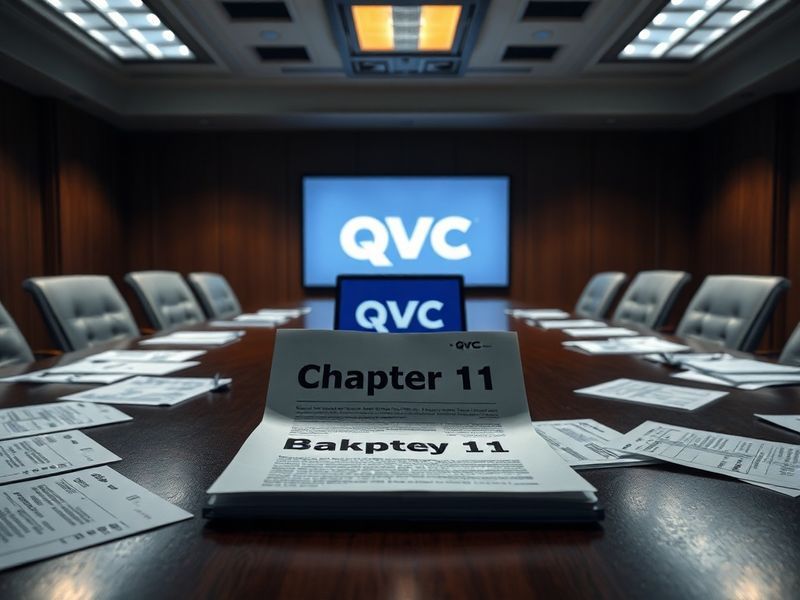
The QVC Group, a titan of home shopping television and e-commerce, has filed for Chapter 11 bankruptcy protection. This legal maneuver, filed in a Delaware court on October 16, 2023, marks a pivotal moment for the company and the broader retail landscape. With roots tracing back to 1986, QVC has long been a staple in American living rooms and online carts, shaping consumer habits across generations.
Chapter 11 bankruptcy allows businesses to reorganize while continuing operations, a lifeline for companies facing financial strain but aiming to restructure debt and emerge stronger. For QVC, this filing is not merely a corporate footnote—it reflects deeper shifts in retail, consumer behavior, and the global economy. The move comes amid rising interest rates, supply chain disruptions, and a post-pandemic retail landscape where e-commerce growth has slowed.
The Roots of QVC’s Financial Struggles
QVC’s troubles did not emerge overnight. The company, once synonymous with televised shopping, has faced mounting challenges in recent years. Competition from Amazon, Walmart, and niche e-commerce platforms has intensified, eroding QVC’s traditional advantages in convenience and curated product selection. Meanwhile, its parent company, Qurate Retail Group, has struggled to adapt to changing consumer preferences, particularly among younger shoppers who favor social commerce and direct-to-consumer brands.
Several key factors have contributed to QVC’s financial strain:
- Declining TV Viewership: The once-dominant home shopping channel has seen a steady decline in its core audience. Younger demographics, in particular, are less likely to tune into live television for shopping, preferring digital-first platforms like TikTok Shop or Instagram Live.
- E-commerce Slowdown: While QVC’s online sales grew during the pandemic, growth has plateaued as consumers return to in-store shopping and reduce discretionary spending amid economic uncertainty.
- Debt Burden: Qurate Retail Group, which owns QVC, has carried significant debt for years. High interest rates have made servicing this debt increasingly difficult, exacerbating financial pressures.
- Operational Inefficiencies: Critics argue that QVC’s operational model, built around large-scale inventory and live broadcasting, has become outdated in an era of just-in-time fulfillment and hyper-personalized marketing.
These challenges are not unique to QVC. Traditional retailers worldwide are grappling with similar pressures, from Europe’s struggling department stores to Japan’s once-dominant shopping networks. The bankruptcy filing underscores a broader reckoning for legacy retail models in an era defined by digital disruption.
Global Reactions and Industry Ripples
The news of QVC’s Chapter 11 filing has sent shockwaves through the retail and investment communities. Analysts are closely watching how the company’s restructuring will unfold, particularly given its international footprint. QVC operates in multiple countries, including Germany (where it’s known as QVC Deutschland) and the UK (as QVC UK), and has partnerships with global brands.
In Europe, where home shopping networks have historically thrived, the bankruptcy has sparked discussions about the future of the sector. The UK’s retail landscape, in particular, has seen dramatic shifts in recent years, with high street brands collapsing and e-commerce giants dominating. QVC UK, while smaller than its US counterpart, has cultivated a loyal customer base, particularly among older demographics. Analysts speculate whether the company will prioritize its international operations during restructuring or focus on shoring up its domestic business.
In Asia, where home shopping networks like Japan’s Technology giant Rakuten and South Korea’s CJ O Shopping have faced their own challenges, QVC’s struggles highlight the fragility of traditional retail models. The rise of livestream shopping in China, driven by platforms like Taobao Live and Douyin, has further pressured legacy networks to innovate or risk obsolescence.
What’s Next for QVC and Its Customers
Chapter 11 bankruptcy is not the end of the road for QVC, but it does signal a period of uncertainty for customers, employees, and suppliers. Under Chapter 11, QVC will continue operating as usual, with its television broadcasts, website, and customer service remaining intact. The company has stated its intention to use this period to streamline operations, reduce debt, and explore strategic alternatives, which could include a sale or partnership with another retailer.
For customers, the immediate impact may be minimal. QVC’s products and services are expected to remain available, though there could be changes in pricing, promotions, or product offerings as the company adjusts its business model. Employees, particularly those in corporate roles, may face restructuring efforts, while suppliers could see delays in payments as the company navigates its financial obligations.
The company’s long-term viability will depend on its ability to adapt to the modern retail landscape. Possible strategies include:
- Expanding Livestream Shopping: Embracing platforms like TikTok or YouTube to reach younger audiences and compete with China’s livestream commerce boom.
- Enhancing Personalization: Leveraging data analytics to tailor product recommendations and improve customer retention.
- Strengthening International Focus: Doubling down on markets where QVC has a strong foothold, such as Germany and the UK, while reassessing underperforming regions.
- Partnering with E-Commerce Platforms: Exploring collaborations with major retailers or tech companies to expand reach and reduce operational costs.
QVC’s journey through Chapter 11 will be closely watched as a case study in retail transformation. Its success or failure could serve as a cautionary tale or a blueprint for other legacy retailers facing similar challenges.
A Broader Retail Reckoning
QVC’s bankruptcy filing is more than a corporate story—it’s a reflection of the tectonic shifts reshaping global retail. The rise of e-commerce, the decline of traditional television, and the economic pressures of the post-pandemic world have created a perfect storm for legacy retailers. Companies that fail to innovate risk being left behind, while those that adapt may find new paths to growth.
For consumers, the changes at QVC could mean a shift in how they discover and purchase products. The days of flipping through a QVC catalog or waiting for a live broadcast may fade, replaced by algorithms, influencer recommendations, and seamless mobile shopping experiences. Yet, the human touch of QVC—the charm of its hosts, the allure of its deals—may prove resilient if the company can reinvent itself for a digital-first audience.
As QVC navigates its restructuring, the retail industry will be watching. Will this be the end of an era, or the beginning of a new one for home shopping? Only time will tell, but one thing is certain: the future of retail is being written now.