Ekstraklasa: Poland’s Premier League Rising in Europe
“`html
Ekstraklasa: Poland’s Premier Football League Rising in Europe
Poland’s top-tier football league, the Ekstraklasa, has quietly evolved into one of Europe’s most competitive and entertaining domestic competitions. While leagues like the English Premier League, Spanish La Liga, and German Bundesliga often dominate global attention, the Ekstraklasa has carved out a unique identity—blending raw passion, tactical innovation, and a growing reputation for developing world-class talent. In an era where football’s financial disparities continue to widen, Poland’s league stands as a testament to how smaller markets can thrive through smart investments, youth development, and a deep connection to local culture.
The league’s resurgence over the past decade has not gone unnoticed. Clubs like Legia Warsaw, Lech Poznań, and Cracovia have become regulars in European competitions, while emerging talents from the Ekstraklasa are increasingly making waves in top leagues across the continent. This shift reflects broader trends in European football, where clubs from outside the traditional powerhouses are finding ways to compete—both on and off the pitch. For fans and analysts alike, the Ekstraklasa offers a compelling case study in how football can thrive beyond the usual financial giants.
From Post-Soviet Struggles to Modern Competitiveness
The Ekstraklasa’s journey over the last 30 years mirrors Poland’s own transition from a post-Soviet state to a modern European nation. In the 1990s, after the fall of communism, Polish football faced financial instability, outdated infrastructure, and a lack of investment. Crowds were passionate but attendance figures fluctuated, and the league struggled to attract global attention. The situation improved in the early 2000s with privatization efforts and the introduction of professional licensing systems, but the real turning point came in 2008 with the formation of the Ekstraklasa SA—an organization that took over commercial and marketing rights from individual clubs.
This centralized approach allowed for better revenue distribution, improved broadcasting deals, and increased visibility. By 2010, the league had secured a lucrative TV rights deal with Canal+ and later expanded its international reach through partnerships with Eurosport and DAZN. The investment in youth academies, particularly through programs like the Sports Development Fund, has also paid dividends. Today, clubs like Lechia Gdańsk and Pogoń Szczecin are known not just for their first teams, but for producing players who go on to excel in leagues across Europe.
The league’s growth has also been fueled by a renewed sense of national pride. After Poland co-hosted Euro 2012 with Ukraine, interest in domestic football surged. Though the national team’s performance in major tournaments has been inconsistent, the Ekstraklasa has benefited from a broader cultural shift—one that values local identity and community in an age of globalized sport.
Tactical Evolution and the Rise of Polish Coaches
Football in Poland has long been associated with physicality and direct play, but recent years have seen a tactical awakening. Clubs are increasingly embracing modern systems, with many managers favoring high-pressing, possession-based styles. This shift has been driven in part by a new generation of Polish coaches who have studied abroad and returned with fresh ideas. Michał Probierz, currently at Lech Poznań, and Maciej Skorża, who led Legia Warsaw to a historic Champions League group stage in 2023, are among the most prominent figures leading this evolution.
The influence of foreign coaches has also played a role. Portuguese manager Paulo Sousa, who took charge of Lech Poznań in 2022, brought a structured, attacking philosophy that transformed the club’s fortunes. Similarly, Czech manager Michal Bílek, who managed Legia Warsaw in the late 2010s, introduced a more disciplined approach that yielded results in European competitions. These tactical adaptations reflect a broader trend in European football, where smaller leagues are no longer content to be mere stepping stones for players—they aim to compete on tactics as well.
Another key development has been the increased use of data analytics. Clubs like Raków Częstochowa, which won its first Ekstraklasa title in 2023, have invested in performance tracking and video analysis to gain a competitive edge. This analytical approach has helped level the playing field, allowing smaller clubs to compete with the traditional giants by identifying undervalued players and optimizing game strategies.
Stars of the Ekstraklasa: Where Future Champions Are Made
The Ekstraklasa has become a proving ground for young talent, with many players using it as a launchpad for careers in top European leagues. The league’s reputation for developing technically gifted midfielders and physically robust defenders has made it a target for scouts from clubs in England, Germany, and France. Among the most notable recent exports are:
- Jakub Kamiński (Lech Poznań) – A winger with exceptional dribbling and creativity, Kamiński joined Wolverhampton Wanderers in 2022 for a reported €30 million, one of the highest fees ever received for a Polish league player.
- Bartosz Białkowski (Pogoń Szczecin) – A veteran goalkeeper who has become a cult hero for his reflexes and leadership, earning a move to Southampton in the Premier League at age 34.
- Karol Świderski (formerly of Jagiellonia Białystok) – A prolific striker who starred in the 2022 World Cup and now plays in the MLS after stints in Belgium and England.
- Przemysław Frankowski (Legia Warsaw) – A dynamic right-back who earned a move to French side Lens in 2021, becoming one of Poland’s most consistent performers in Ligue 1.
The league’s ability to nurture talent is not just about individual players—it’s also about the environment. Polish clubs are known for providing young players with regular first-team minutes, a rarity in leagues where youth players are often loaned out to lower divisions. This approach has helped players like Kamiński and Frankowski develop quickly, reducing the gap between domestic football and Europe’s top leagues.
Beyond the players, the Ekstraklasa has also become a destination for experienced foreign talent looking for a fresh challenge. Players like former Premier League defender Filip Helander (Lech Poznań) and Nigerian international Peter Olayinka (Legia Warsaw) have added quality and diversity to the league, raising the overall standard of play.
A Cultural Phenomenon Beyond the Pitch
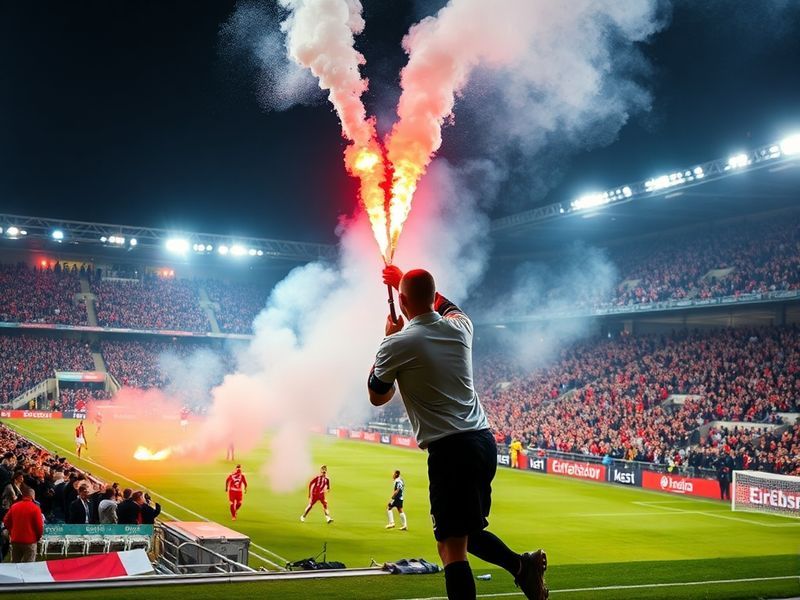
Football in Poland is more than just a sport—it’s a cultural institution deeply embedded in local communities. Matchdays in cities like Kraków, Wrocław, or Gdańsk are vibrant affairs, with fans filling stadiums to sing, chant, and celebrate. The atmosphere at grounds like Legia Warsaw’s Stadion Wojska Polskiego or Lech Poznań’s Stadion Poznań is electric, with ultras groups leading choreographed displays that rival those seen in Italy or Turkey.
The league’s cultural significance extends beyond the 16 teams that compete each season. Historic clubs like Wisła Kraków and Polonia Warsaw carry legacies that date back to the early 20th century, serving as pillars of local identity. Even smaller clubs, such as Górnik Zabrze—a team with a storied past in European competitions—maintain passionate fan bases that keep the spirit of Polish football alive.
Economically, the Ekstraklasa is also making strides. While it still lags behind Europe’s elite leagues in revenue, clubs are finding innovative ways to monetize their brands. Lech Poznań’s partnership with gaming company Sports Entertainment Group to create digital content showcases how traditional clubs are adapting to new media landscapes. Meanwhile, Legia Warsaw’s recent foray into esports—fielding teams in FIFA and Rocket League competitions—reflects a broader trend of clubs diversifying their revenue streams.
The league’s growing profile has also attracted international attention. In 2023, the Ekstraklasa became the first Polish league to be featured in EA Sports’ FIFA video game series under its own name, a milestone that underscores its rising status. With more matches being broadcast globally and social media amplifying its reach, the Ekstraklasa is positioning itself as a must-watch league for football purists and neutrals alike.
Looking Ahead: The Ekstraklasa’s Path to the Top
The Ekstraklasa’s future looks brighter than ever, but challenges remain. Financial disparities between the top clubs and the rest of the league persist, and the gap between the Ekstraklasa and Europe’s elite leagues—measured in revenue and squad value—is still significant. However, the league’s focus on youth development, tactical innovation, and fan engagement provides a solid foundation for continued growth.
One area where the Ekstraklasa could make further strides is in European competition. While clubs like Raków Częstochowa and Legia Warsaw have enjoyed sporadic success in the Europa League and Conference League, consistent deep runs in the Champions League remain elusive. Improving infrastructure, such as expanding stadium capacities and upgrading training facilities, will be crucial in closing the gap with Europe’s top leagues.
For now, the Ekstraklasa offers a compelling narrative in world football. It’s a league where passion meets professionalism, where young talent is given a stage, and where clubs are building sustainable models for success. As Polish football continues to rise, the Ekstraklasa is not just a league to watch—it’s a league to learn from.
For fans of football beyond the usual giants, the Ekstraklasa represents an opportunity to discover the next generation of stars before they become household names. And for those who believe in the power of the game to transcend borders, Poland’s premier league is proof that great football can—and does—thrive anywhere.