Fire Weather Watch Explained: Causes, Global Impact & Prevention
“`html
Fire Weather Watch: Understanding the Rising Global Threat
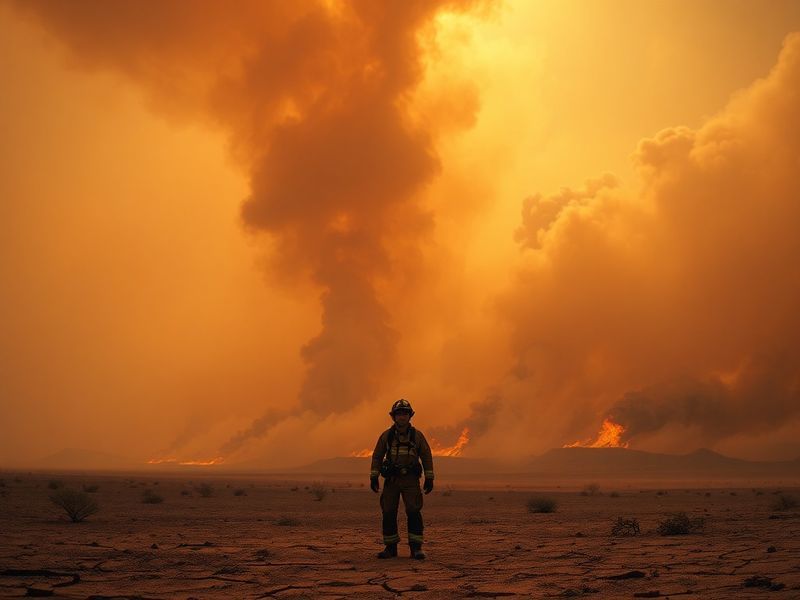
As climate patterns shift and temperatures rise, the frequency and intensity of fire weather conditions have become a growing concern worldwide. A Fire Weather Watch is issued when weather conditions could become favorable for wildfires to ignite or spread rapidly within the next 24 to 72 hours. These alerts are not just meteorological notices—they represent a critical intersection of environmental science, public safety, and disaster preparedness.
This phenomenon is not confined to any single region. From the dense forests of Australia to the chaparral slopes of California, and the boreal woodlands of Canada to the Mediterranean basin, fire-prone landscapes are expanding. The increasing occurrence of Fire Weather Watches reflects broader environmental changes, including prolonged droughts, rising temperatures, and shifting wind patterns. Communities, emergency responders, and policymakers are being forced to adapt to this new reality.
The Science Behind Fire Weather Conditions
Fire weather occurs when a combination of high temperatures, low humidity, strong winds, and dry vegetation creates ideal conditions for wildfires. These elements don’t cause fires directly, but they significantly increase the risk of ignition and rapid spread. Meteorologists and fire ecologists monitor these variables closely to issue timely warnings.
Several key factors contribute to fire weather:
- Low Relative Humidity: When air moisture drops below 30%, vegetation dries out, becoming highly flammable.
- High Temperatures: Heat accelerates moisture loss from plants and soil, further desiccating the landscape.
- Strong Winds: Gusts can carry embers over long distances, enabling fires to jump containment lines and spread unpredictably.
- Dry Lightning: Thunderstorms without significant rainfall can ignite multiple fires simultaneously.
In some regions, such as the western United States, fire seasons are now beginning earlier and lasting longer. According to the National Interagency Fire Center, the average wildfire season has extended by nearly two months since the 1970s. This shift has led to more frequent Fire Weather Watches, particularly in late spring and early fall—periods once considered outside traditional fire risk windows.
Global Hotspots and Regional Responses
The impact of fire weather is felt differently around the world, shaped by local ecosystems, climate histories, and human activity. In Australia, the Black Summer fires of 2019-2020 burned over 46 million acres and highlighted the devastating consequences of prolonged fire weather. The country’s fire agencies now operate under an enhanced warning system that includes Fire Weather Watches with color-coded threat levels.
In Europe, countries like Greece, Portugal, and Spain have faced increasingly severe fire seasons. The 2023 wildfires in Greece, which scorched over 175,000 acres, were preceded by a Fire Weather Watch that warned of extreme conditions. Mediterranean nations are investing in early detection systems, including satellite monitoring and AI-driven predictive analytics, to improve response times.
North America presents a more fragmented landscape. In Canada, boreal forests—some of the most carbon-dense ecosystems on Earth—are increasingly vulnerable. The 2023 Canadian wildfire season produced smoke that drifted across the Atlantic, affecting air quality as far as Europe. Meanwhile, in the United States, states like California and Colorado have integrated Fire Weather Watches into broader emergency management strategies, coordinating with utility companies to implement public safety power shutoffs during high-risk periods.
Cultural and Economic Consequences
Beyond the immediate threat to lives and property, fire weather carries profound cultural and economic implications. Indigenous communities, particularly in Australia and North America, have long managed fire through cultural burning practices that reduce fuel loads and promote biodiversity. However, modern fire suppression policies have disrupted these traditions, sometimes exacerbating fire risks.
In California, the concept of pyro-tourism has emerged—a controversial trend where people travel to observe wildfires, drawn by the spectacle of flames against darkened skies. While this phenomenon reflects a macabre fascination with disaster, it also underscores the region’s uneasy relationship with fire as both a destructive force and a natural process.
Economically, the cost of wildfires is staggering. In 2020, California alone incurred over $12 billion in wildfire-related damages, including property loss, infrastructure damage, and emergency response costs. These figures do not account for long-term impacts such as decreased property values, lost tourism revenue, or the health impacts of prolonged smoke exposure.
Preparing for a Fire-Weather Future
As fire weather becomes more common, communities and governments are adopting proactive strategies to mitigate risk. Urban planning now includes defensible space requirements, where homeowners must clear vegetation within a set radius of structures. Fire-resistant building materials and zoning laws are also being reconsidered in high-risk areas.
Technology plays a crucial role in prevention and response. Real-time air quality monitoring networks, such as those deployed in cities like Denver and Sydney, provide residents with actionable data during fire events. Meanwhile, advances in wildfire modeling—powered by machine learning—are improving the accuracy of Fire Weather Watches, giving authorities more time to evacuate and prepare.
Public awareness campaigns are equally important. Programs like Firewise USA, which educates homeowners on fire-resistant landscaping, have gained traction in the United States. Similarly, Indigenous-led fire stewardship initiatives, such as those in Australia’s Fire and Rescue NSW cultural burning projects, are being revived to restore balance to fire-adapted ecosystems.
The future of fire weather will depend on collective action. Reducing greenhouse gas emissions remains the most effective long-term strategy, as rising global temperatures are expected to intensify fire conditions. In the short term, however, communities must adapt to a world where Fire Weather Watches are as routine as hurricane warnings in coastal regions.
This shift demands not only scientific innovation but also a cultural reckoning with humanity’s relationship to fire. As landscapes evolve and fire risks grow, the question is no longer whether we can prevent wildfires—but how we can coexist with them more safely and sustainably.