How Marine Traffic Powers Global Trade and Shapes the Future
“`html
Understanding Marine Traffic: The Invisible Highways of Global Trade
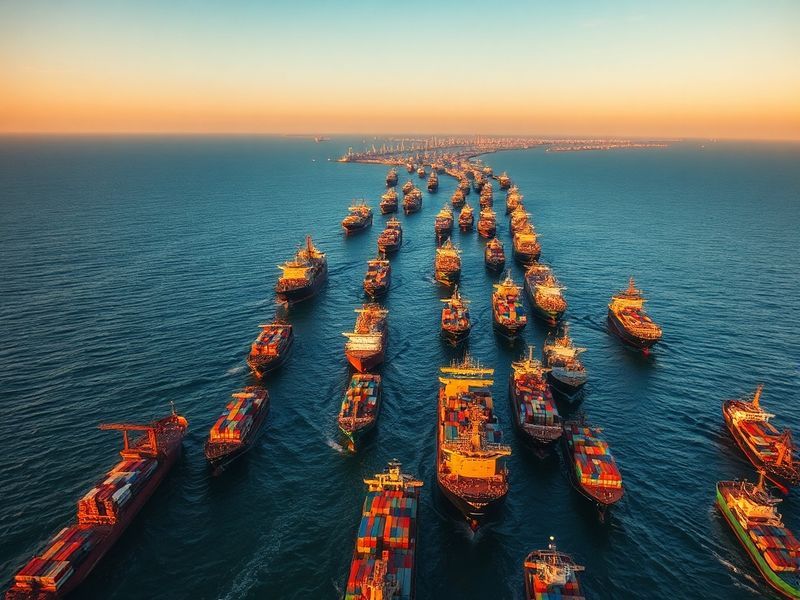
When you think of global trade routes, images of bustling ports or massive cargo ships cutting through ocean waves likely come to mind. What often goes unnoticed is the intricate web of marine traffic that makes modern commerce possible. Marine traffic—the movement of vessels across the world’s oceans—is the backbone of international trade, connecting economies and cultures in ways that are as vital as they are overlooked.
This system operates on a scale that is difficult to grasp. Over 90% of the world’s trade travels by sea, according to the United Nations Conference on Trade and Development (UNCTAD). The sheer volume of vessels navigating these routes underscores the critical role marine traffic plays in everything from the food on your table to the devices in your hands. Yet, despite its importance, marine traffic remains one of the most underappreciated aspects of global logistics.
The Scale and Scope of Marine Traffic
To appreciate the magnitude of marine traffic, consider the numbers. Approximately 6,000 commercial ships are sailing the oceans at any given moment, ranging from colossal container ships to smaller cargo and tanker vessels. These ships traverse over 50,000 merchant ships registered worldwide, each contributing to the continuous flow of goods that sustain global supply chains.
The busiest shipping routes are concentrated in narrow waterways where geography dictates efficiency. The Strait of Malacca, for example, sees nearly 94,000 vessels pass through annually, making it one of the most critical chokepoints in global trade. Other key routes include the Suez Canal and the Panama Canal, both of which drastically reduce travel time and costs for ships moving between continents. These waterways are not just pathways; they are strategic assets that shape economic relationships and geopolitical dynamics.
Technology has further refined the management of marine traffic. The introduction of Automatic Identification Systems (AIS) allows for real-time tracking of vessels, providing data on their location, speed, and direction. This technology has revolutionized maritime safety and efficiency, enabling ports and shipping companies to optimize routes and avoid collisions. Platforms like Dave’s Locker Travel offer insights into how marine traffic intersects with travel trends, particularly for those interested in maritime history or coastal destinations.
Challenges and Disruptions in Marine Traffic
Despite its efficiency, marine traffic is not without challenges. One of the most pressing issues is congestion. As global trade grows, so does the demand for shipping routes, leading to bottlenecks in critical waterways. The Suez Canal blockage in 2021, caused by the grounding of the Ever Given container ship, disrupted global supply chains for nearly a week and cost the global economy an estimated $10 billion per day. Such incidents highlight the vulnerability of marine traffic to both human error and unforeseen events.
Environmental concerns also loom large over marine traffic. Ships are significant contributors to carbon emissions, accounting for nearly 3% of global greenhouse gases, according to the International Maritime Organization (IMO). Efforts to mitigate this impact include the adoption of low-sulfur fuels and the development of zero-emission vessels. However, the transition to greener shipping practices remains a slow and complex process, complicated by the economic realities of the industry.
Piracy and security threats add another layer of complexity. High-risk areas, such as the Gulf of Aden and the Strait of Hormuz, require constant monitoring and often involve international naval patrols. The economic toll of piracy is substantial, with losses estimated in the billions annually. Shipping companies invest heavily in security measures, from armed guards to advanced surveillance systems, to protect their vessels and crews.
Technological Innovations Shaping the Future
The future of marine traffic is being shaped by a wave of technological innovations. One of the most promising developments is the use of artificial intelligence (AI) and machine learning to predict traffic patterns and optimize routes. Companies like Wärtsilä and ABB are leveraging AI to enhance navigation safety and reduce fuel consumption, making shipping more sustainable and cost-effective.
Autonomous ships are another frontier in maritime technology. While fully autonomous vessels are still in the experimental phase, companies like Rolls-Royce and Norwegian fertilizer company Yara are testing remotely operated and semi-autonomous ships. These innovations could revolutionize marine traffic by reducing labor costs, improving safety, and minimizing human error. However, regulatory hurdles and public skepticism remain significant barriers to widespread adoption.
The integration of blockchain technology is also gaining traction in the maritime industry. Blockchain can streamline the complex web of contracts, payments, and documentation involved in global shipping, reducing delays and fraud. For instance, the TradeLens platform, developed by Maersk and IBM, uses blockchain to create a shared, immutable ledger of shipping data, enhancing transparency and efficiency across the supply chain.
Key Takeaways for Industry Stakeholders
For businesses and policymakers involved in marine traffic, staying ahead of these trends is essential. Here are some critical points to consider:
- Adaptability is crucial: The marine industry must embrace technological advancements to remain competitive and sustainable. Investing in AI, blockchain, and alternative fuels can provide a significant edge.
- Resilience planning is non-negotiable: Disruptions like blockages, piracy, and environmental regulations can have cascading effects. Companies must develop robust contingency plans to mitigate risks.
- Collaboration drives progress: The future of marine traffic will depend on partnerships between governments, shipping companies, and technology providers. Initiatives like the IMO’s 2050 decarbonization strategy require collective action to succeed.
- Sustainability is no longer optional: With increasing pressure from consumers and regulators, the shift toward greener shipping practices is inevitable. Early adopters of sustainable technologies will likely lead the industry in the coming decades.
The Broader Implications of Marine Traffic
The impact of marine traffic extends far beyond economics. It influences geopolitics, environmental policies, and even cultural exchanges. For example, the rise of China as a global shipping powerhouse has reshaped trade dynamics in the Pacific, leading to new alliances and tensions. Similarly, the environmental footprint of marine traffic has spurred international agreements like the IMO’s sulfur cap regulations, which aim to reduce air pollution from ships.
Culturally, marine traffic has fostered connections between distant communities. Port cities like Rotterdam, Singapore, and Shanghai have become melting pots of cultures, cuisines, and ideas, all facilitated by the constant flow of people and goods. The stories of sailors, traders, and migrants who traverse these routes add layers of richness to our global heritage.
For enthusiasts and professionals alike, platforms like Dave’s Locker News provide a window into the evolving world of marine traffic. Whether you’re tracking the latest shipping trends, exploring the history of maritime trade, or delving into the technological innovations driving the industry forward, staying informed is key to understanding the invisible highways that power our world.
Conclusion: Navigating the Future of Marine Traffic
Marine traffic is the lifeblood of global trade, yet it operates largely out of sight and out of mind for most people. From the congested waterways of the Suez Canal to the cutting-edge technologies powering autonomous ships, the industry is at a crossroads. The challenges it faces—congestion, environmental impact, security threats—are formidable, but so too are the opportunities presented by innovation and collaboration.
As we look to the future, the choices made by industry leaders, policymakers, and technology developers will determine whether marine traffic can evolve into a more sustainable, efficient, and secure system. For those invested in the world of shipping, travel, or global economics, understanding marine traffic is not just an academic exercise; it’s a necessity. The invisible highways of the sea are the arteries of our interconnected world, and their health will shape the future of commerce, culture, and the planet itself.