Ibogaine sits at the intersection of ancient tradition and modern medical science. Derived from the root bark of the Tabernanthe iboga shrub, this psychoactive compound has been used for centuries in West and Central African spiritual practices. Today, it is being re-examined—not just as a ceremonial tool, but as a potential treatment for addiction and mental health disorders. The global conversation around ibogaine is evolving rapidly, reflecting broader shifts in how society views psychedelics, healing, and cultural appropriation.
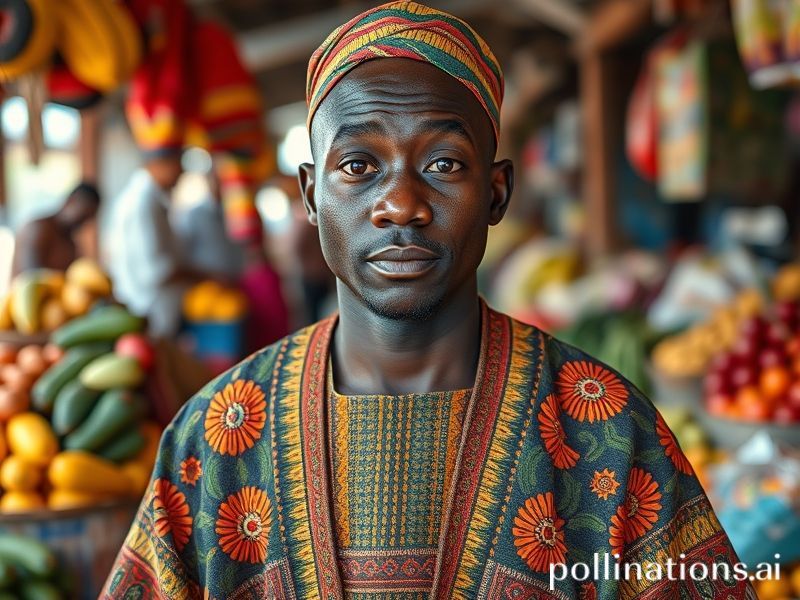
In Gabon, where ibogaine is indigenous, the Bwiti tradition has long regarded the plant as sacred. Initiates consume iboga during rites of passage, guided by experienced practitioners who help navigate its intense visions. This cultural context is critical when evaluating ibogaine’s modern applications. While Western clinics and researchers focus on its therapeutic potential, traditional practitioners warn against stripping the compound of its spiritual significance. The tension between exploitation and respect defines much of the current discourse.
The Science Behind Ibogaine’s Therapeutic Potential
Research into ibogaine’s effects on addiction began in earnest during the 1960s, but legal restrictions and limited funding slowed progress for decades. Today, preliminary studies suggest that ibogaine may help interrupt dependencies by resetting neural pathways associated with cravings. Unlike conventional treatments that focus solely on behavioral modification, ibogaine appears to work on a neurochemical level, particularly in cases of opioid use disorder.
A 2022 study published in Nature highlighted ibogaine’s ability to reduce withdrawal symptoms in opioid-dependent individuals by up to 80%. The compound’s effects last far longer than the acute psychedelic experience, which typically spans 24 to 48 hours. This longevity is one reason researchers believe it could offer a more sustainable solution than daily medication-assisted treatments like methadone.
However, the science remains in its infancy. Most trials have been small-scale, and ibogaine is not FDA-approved in the United States. Clinics in Mexico, Costa Rica, and the Netherlands operate in a legal gray area, catering to patients who have exhausted conventional options. The lack of standardized protocols raises concerns about safety and consistency in dosing.
- Interruption of addiction: Ibogaine may help reset dopamine receptors, reducing cravings.
- Neuroplasticity: The compound appears to promote new neural connections, aiding long-term recovery.
- Rapid effects: Unlike months of therapy, ibogaine’s impact can be felt within days.
Critics argue that the hype surrounding ibogaine outpaces the evidence. Side effects, including potential cardiac risks, cannot be ignored. The compound’s interaction with the heart’s electrical system has led to fatalities in unsupervised settings. This has prompted calls for stricter regulations and more rigorous clinical trials.
Cultural Exchange and the Risk of Exploitation
The global demand for ibogaine has sparked debates about cultural ownership. Indigenous communities in Gabon and Cameroon have long held the knowledge of iboga’s preparation and use. Yet, much of the Western interest in ibogaine has been extractive—researchers and entrepreneurs traveling to Africa to study the plant without always acknowledging its origins or compensating local practitioners.
In response, some Gabonese leaders have pushed for greater control over iboga’s export and use. The government of Gabon has designated iboga as a protected national treasure, requiring permits for its harvest and export. This move reflects a broader trend in which Indigenous groups seek to reclaim authority over their cultural and medicinal heritage.
Meanwhile, the ibogaine industry in the West has faced criticism for commercializing a sacred plant. Retreats in countries like Portugal and New Zealand market ibogaine as a luxury treatment, often at a premium cost. Critics argue that this commodification strips away the plant’s spiritual roots, turning it into yet another wellness fad.
Advocates for ethical engagement emphasize the importance of collaboration. Some Western clinics now partner with traditional practitioners, ensuring that ibogaine is administered within a framework that respects its cultural significance. These efforts are still rare but represent a step toward more equitable practices.
The Future of Ibogaine: Regulation, Research, and Global Perspectives
The path forward for ibogaine hinges on three key factors: regulation, research, and cultural respect. In the United States, the DEA has classified ibogaine as a Schedule I substance, effectively blocking most clinical research. However, advocacy groups are pushing for reclassification, citing its potential to address the opioid crisis. Similar debates are unfolding in Europe, where countries like Spain have granted compassionate use exemptions for ibogaine therapy.
Mexico has emerged as a leading destination for ibogaine treatment, thanks to its more permissive laws. Clinics in cities like Tijuana and Cancún offer programs that combine ibogaine with holistic therapies, such as yoga and meditation. These centers attract patients from the U.S. and Europe, many of whom have struggled with addiction for years. Yet, the lack of standardized oversight remains a concern, with reports of uneven quality and safety standards.
In Africa, efforts are underway to preserve and promote the traditional use of iboga. Organizations like the Global Ibogaine Therapy Alliance work with local communities to document indigenous knowledge and advocate for sustainable harvesting practices. These initiatives aim to ensure that iboga remains available for future generations, both as a tool for healing and as a cultural touchstone.
As the conversation around ibogaine evolves, one thing is clear: its story is as much about cultural identity as it is about medicine. The challenge lies in balancing scientific innovation with ethical responsibility, ensuring that ibogaine’s potential is explored without erasing the traditions that gave it meaning.
Key Takeaways
- Ibogaine shows promise in treating addiction by resetting neural pathways, but research is still limited.
- The compound’s cultural roots in West and Central Africa are increasingly recognized in global discussions.
- Ethical concerns persist about the commercialization and exploitation of iboga without respecting its origins.
- Regulatory hurdles and safety risks remain significant barriers to mainstream acceptance.
For now, ibogaine occupies a unique space—part ancient ritual, part experimental medicine, and part polarizing debate. Its future will depend on whether society can embrace its complexities without reducing it to a simple solution. As research advances and cultural dialogues deepen, ibogaine may yet redefine our understanding of healing, both for individuals and for communities.