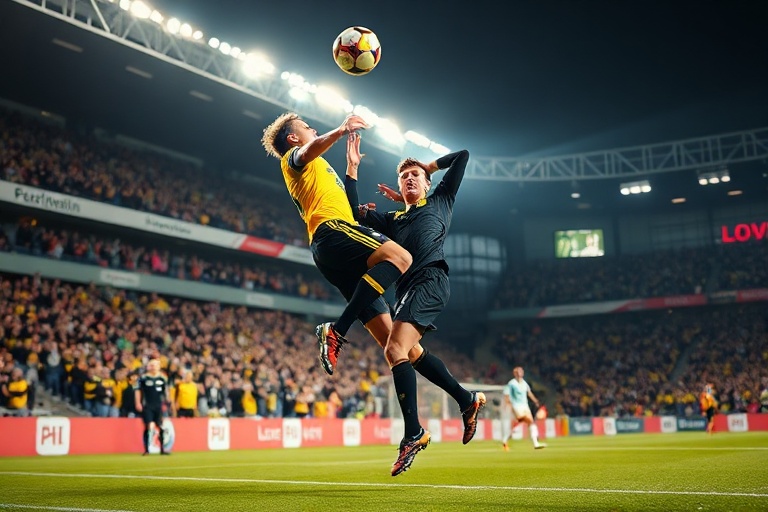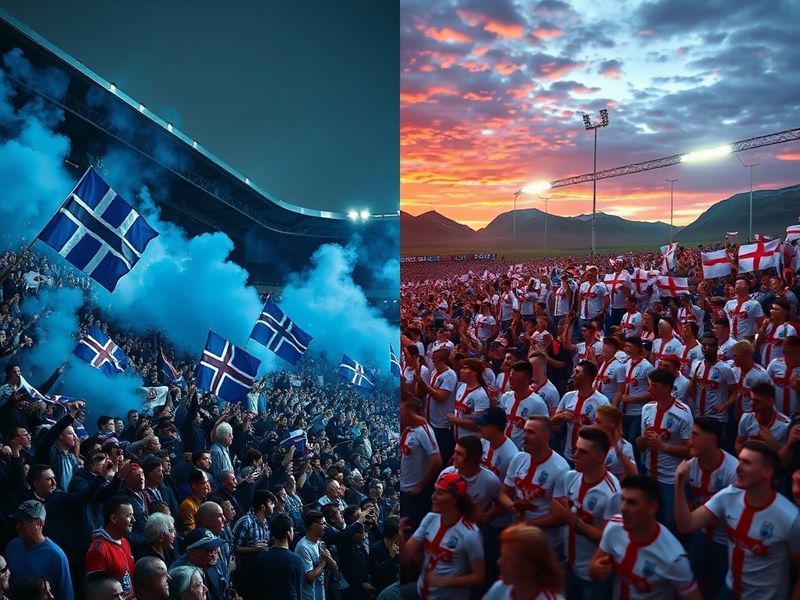
The clash between Iceland and England on the football pitch transcends mere sporting rivalry. It represents a collision of football philosophies, cultural identities, and the unexpected power of collective belief. While England brings a legacy of individual brilliance and high expectations, Iceland offers a model of unity, tactical discipline, and quiet confidence. This matchup became particularly emblematic during their Euro 2016 encounter, where the underdogs from a nation of just 330,000 people stunned the Three Lions.
The contrast between these two football cultures speaks volumes about how the beautiful game adapts to different societal structures. England’s football narrative has long been dominated by narratives of potential unfulfilled, while Iceland’s rise demonstrates how small nations can punch above their weight through systematic development. The story of Iceland vs England is therefore not just about results, but about what those results reveal about football’s evolving global landscape.
The Rise of Iceland: From Geothermal Pools to Football Pitches
Iceland’s football revolution began quietly in the 1990s, rooted in a deliberate strategy to develop the sport across the entire population. The Football Association of Iceland (KSI) made a pivotal decision to invest in infrastructure early on. By 2016, the country had built nearly 200 heated outdoor pitches, ensuring year-round access regardless of Iceland’s harsh weather. Indoor facilities followed, creating environments where young players could train consistently.
This infrastructure investment was matched by a cultural shift. Football became more than a pastime; it became a national project. Parents encouraged children to play multiple sports, fostering well-rounded athletes. The result? A generation of players comfortable with the ball, technically proficient, and tactically aware from a young age. By the time Euro 2016 arrived, Iceland’s national team was not an anomaly but the culmination of decades of planning.
The team’s famous “clap” celebration became a symbol of this collective spirit. More than just a chant, it represented a footballing identity built on togetherness rather than individualism. While England’s players often face scrutiny over their club loyalties, Iceland’s squad played as one, with no stars in the traditional sense. This cohesion allowed them to execute a disciplined 5-4-1 formation that frustrated opponents.
England’s Football Identity: Talent, Pressure, and the Burden of History
England’s football culture is steeped in paradox. It produces some of the world’s most technically gifted players, yet its national team has struggled to translate individual talent into collective success. The nation invented modern football, yet its international record is marked by near-misses—penalty shootout exits, dramatic comebacks, and moments of heartbreak. This history has created a unique pressure environment where every tournament is approached with a mix of hope and dread.
The English Premier League, the most-watched football league globally, has shaped a generation of players accustomed to high-pressure environments. Yet this same exposure can create overconfidence or tactical rigidity. England’s traditional 4-4-2 formation often prioritizes direct play and physicality, reflecting both the country’s industrial heritage and its historical reliance on robust center-backs and target men.
This approach has yielded isolated successes—reaching the World Cup semi-finals in 1990 and the Euro 2020 final—but has also led to tactical stagnation. The contrast with Iceland’s flexible, possession-based system highlighted England’s need for tactical evolution. After Euro 2016, debates raged in England about whether the national team should adopt a more continental style, mirroring the technical development seen in club football.
Euro 2016: When Football Poetry Defeated Football Power
The Euro 2016 Round of 16 match between Iceland and England remains one of the most analyzed games in modern football history. England, ranked 11th in the world and boasting Premier League stars like Wayne Rooney and Harry Kane, were heavy favorites. Yet within 18 minutes, Iceland led 2-1 after goals from Jón Dadi Böðvarsson and Kolbeinn Sigþórsson.
The performance was a masterclass in collective effort. Iceland’s players moved as a unit, pressing high and forcing England into errors. The English defense, usually composed, appeared disoriented. Raheem Sterling’s late goal offered a glimmer of hope, but it was too little, too late. Iceland’s 2-1 victory sent shockwaves through the football world, not just because of the result, but because of the manner in which it was achieved.
This match became a case study in football psychology. England’s players, burdened by expectations, seemed to crack under pressure. Iceland, meanwhile, played with freedom born of low stakes. The contrast was stark: one team defined by individual talent and collective anxiety, the other by collective belief and tactical clarity.
For Iceland, the victory was more than a football result—it was a national celebration. Fans, many of whom had traveled by plane and ferry, sang their hearts out in a stadium that buzzed with communal pride. The match became a symbol of what small nations can achieve when they unite behind a shared vision.
The Aftermath and Global Lessons in Football Development
The ripple effects of Iceland’s Euro 2016 triumph extended far beyond the pitch. It sparked conversations in football academies worldwide about the value of tactical intelligence over raw athleticism. Coaches began to emphasize decision-making and positional play at younger ages, echoing Iceland’s approach.
In England, the defeat forced a reckoning. The Football Association launched the “England DNA” program, aiming to instill a more technical and progressive style of play in youth development. Clubs like Manchester City and Liverpool, already influenced by Pep Guardiola and Jürgen Klopp, began exporting these philosophies to the national team setup.
Iceland’s success also highlighted the importance of community in football. The country’s tiny population meant that talent identification was inclusive. Every child had access to facilities, and coaches were often volunteers with a passion for the game. This grassroots model contrasted sharply with England’s academy system, where early specialization and high costs can limit participation.
Globally, the match became a reference point in discussions about football development. Small nations like Slovenia, Croatia, and Wales began to see Iceland’s journey as proof that geography need not dictate destiny. Meanwhile, larger football nations started to question whether their systems were stifling creativity in favor of physical development.
Both nations continue to evolve. England reached the Euro 2020 final, showing progress under Gareth Southgate, while Iceland has faced challenges maintaining its momentum. Yet the legacy of their encounters remains—a reminder that football is as much about philosophy as it is about talent.
Key Takeaways from the Iceland vs England Rivalry
- Infrastructure matters: Iceland’s investment in pitches and facilities created a foundation for success.
- Culture shapes identity: England’s club football excellence hasn’t always translated to international success.
- Collective belief can outweigh individual talent: Iceland’s team spirit often outshone England’s star power.
- Tactical evolution is essential: England’s journey from rigid formations to flexible systems reflects broader trends in modern football.
- Grassroots development reaps rewards: Iceland’s inclusive approach contrasts with England’s academy-focused model.
As football continues to globalize, the lessons from Iceland vs England remain relevant. They remind us that success is not determined solely by population size or financial investment, but by vision, commitment, and the courage to rethink tradition. Whether on the pitch or in the boardroom, the story of these two nations offers a blueprint for how smaller nations can compete—and larger ones can improve.
For fans of football, the rivalry between Iceland and England is more than a series of matches. It is a narrative about what football can be when it is approached with intelligence, passion, and purpose. And in an era where football often feels dominated by financial power and corporate influence, it is a refreshing reminder of the game’s soul.