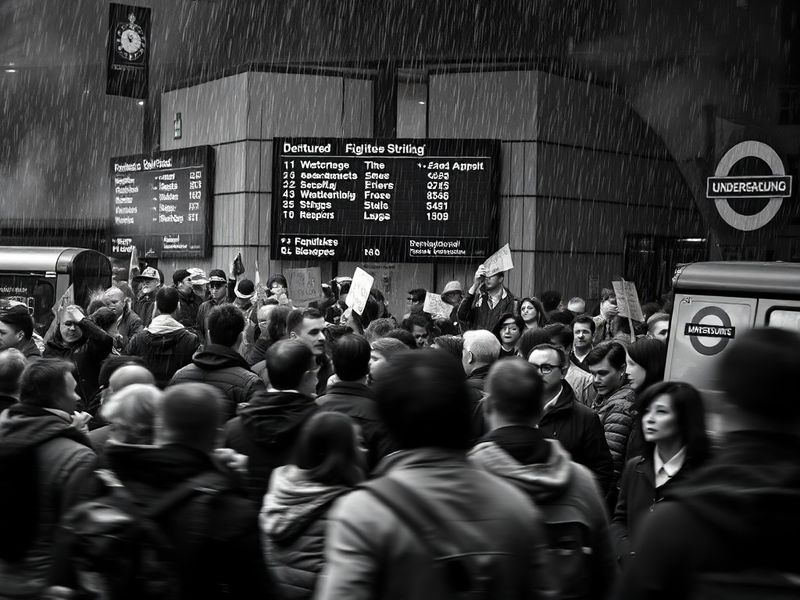
The past year has seen inflation rates fluctuate across the globe, leaving consumers and policymakers alike grappling with its far-reaching consequences. From rising grocery bills to shifting mortgage rates, the economic ripple effects are reshaping financial decisions in nearly every household. While some regions experience easing pressures, others face stubbornly high costs that challenge everyday affordability.
Central banks have responded with aggressive interest rate hikes, a strategy designed to curb spending and cool demand. Yet the lag between policy changes and real-world impact means many families continue to feel the squeeze. As prices stabilize in certain sectors, questions linger about long-term stability and whether relief will arrive before the next economic shock.
How Inflation Differs Around the World
The global inflation landscape is anything but uniform. In Europe, energy prices remain volatile due to geopolitical tensions, while Asian economies grapple with uneven recovery post-pandemic. Latin America faces a different challenge: currency devaluation amplifies the cost of imports, making basic goods less accessible for millions.
In the United States, inflation has shown signs of moderation after peaking in mid-2022. The Federal Reserve’s rate adjustments have contributed to slower price growth, though housing and healthcare costs continue to climb. Meanwhile, emerging markets like Turkey and Argentina struggle with hyperinflation, forcing governments to implement drastic measures to restore confidence.
- Europe: Energy-driven inflation remains a concern, with countries like Germany and France seeing slower price increases but still above pre-pandemic levels.
- Asia: China’s reopening has boosted demand, but supply chain disruptions in semiconductors and consumer goods keep prices elevated in some sectors.
- Latin America: Countries such as Brazil and Mexico face currency pressures, making imported goods more expensive for local consumers.
- United States: Core inflation (excluding food and energy) has eased, but shelter and service costs remain stubbornly high.
The Cultural Shift in Spending Habits
Beyond the numbers, inflation has altered how people approach spending and saving. A recent survey found that over 60% of Americans have adjusted their budgets to prioritize essentials, cutting back on dining out, entertainment, and even healthcare in some cases. This behavioral shift reflects a broader trend: financial caution has replaced the post-pandemic optimism of 2021.
In Europe, consumers are turning to discount retailers and secondhand markets to stretch their euros further. The rise of “thrifting” and bulk-buying clubs signals a cultural pivot toward sustainability and cost-efficiency. Meanwhile, in Asia, younger generations are embracing cashless payment systems to track spending in real time, a response to both inflation and rising digital adoption.
For businesses, these changes present both risks and opportunities. Retailers specializing in value-driven products have seen surges in sales, while luxury brands report slower growth as discretionary spending tightens. The hospitality industry, too, has felt the strain, with hotels and airlines adjusting pricing strategies to balance occupancy rates and consumer demand.
Government Responses and Their Economic Impact
Central banks are walking a tightrope. Raising interest rates too quickly risks stifling growth and pushing economies into recession. Keeping rates too low, however, could allow inflation to spiral out of control, eroding savings and destabilizing markets. The European Central Bank, for instance, has tread cautiously to avoid tipping already fragile economies into deeper slowdowns.
In the United States, the Federal Reserve’s aggressive rate hikes have drawn mixed reactions. Supporters argue that delaying action would have led to far worse consequences, while critics warn that the lagging effects could prolong economic pain for working-class families. Meanwhile, governments in countries like Japan have taken a different approach, relying on subsidies and wage hikes to offset inflationary pressures without tightening monetary policy.
Fiscal policies also play a critical role. In Latin America, some nations have introduced price controls on essential goods, though economists debate their long-term effectiveness. In Africa, debt relief initiatives aim to free up resources for social spending, but inflation continues to outpace wage growth in many regions.
What’s Next for Consumers and Investors
Looking ahead, economists forecast a mixed picture. While inflation may continue easing in developed economies, emerging markets could face prolonged volatility. For consumers, the key will be adaptability—whether through negotiating salaries, refinancing loans, or exploring side incomes to offset rising costs.
Investors, too, are recalibrating their strategies. Traditional safe havens like gold and real estate remain popular, but some are turning to dividend stocks and inflation-protected securities as hedges. Cryptocurrency, once seen as a potential inflation hedge, has proven volatile, leaving many skeptical of its role in diversified portfolios.
One certainty remains: the psychological impact of inflation lingers. The fear of another price surge keeps households on edge, even as headline numbers suggest stabilization. This anxiety, in turn, can influence broader economic behavior, from delaying major purchases to postponing career moves.
For those seeking guidance, financial literacy has never been more critical. Resources like personal finance platforms and community workshops offer tools to navigate these challenges, from budgeting templates to investment calculators. The goal isn’t just to survive inflation but to emerge with a strategy that aligns with long-term financial health.
A Final Thought
Inflation is more than a economic indicator—it’s a mirror reflecting global disparities, policy trade-offs, and cultural shifts in spending. While the immediate outlook varies by region, the underlying lesson is universal: resilience in the face of economic uncertainty requires both preparation and adaptability. Whether through smarter budgeting, diversified investments, or community support networks, individuals and families can reclaim a sense of control in an unpredictable financial landscape.