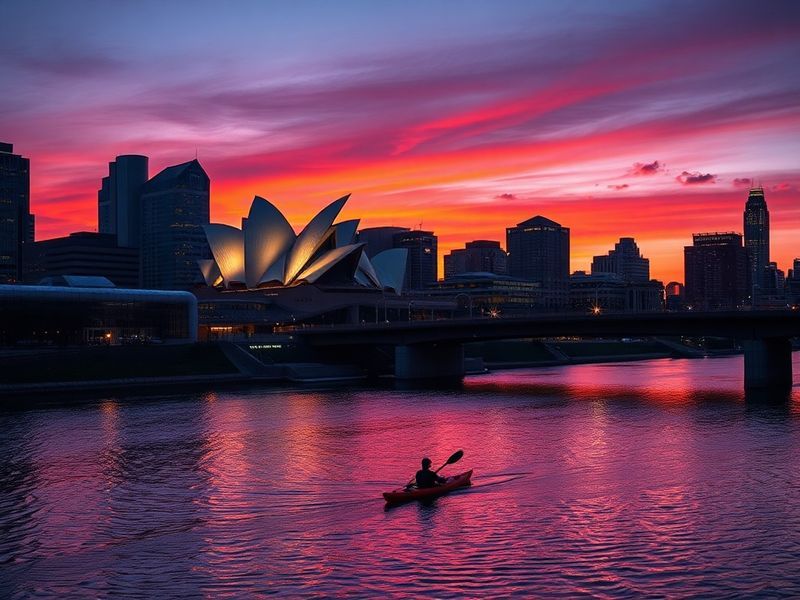
Milwaukee, Wisconsin’s largest city, often lives in the shadow of its more glamorous Midwestern neighbors. Yet beneath its unassuming exterior lies a community rich in history, culture, and economic resilience. From its industrial roots to its modern-day revitalization, Milwaukee offers a unique blend of tradition and progress. This city of just over 590,000 residents punches above its weight in arts, sports, and innovation, making it a destination worth exploring beyond the stereotypes.
The Brew City: More Than Just Beer
Milwaukee earned its nickname, “Brew City,” for good reason. In the late 19th and early 20th centuries, it became the beer capital of the world, home to giants like Miller, Pabst, and Schlitz. While large-scale production has waned, the city’s brewing legacy remains deeply embedded in its identity. Today, Milwaukee is experiencing a craft beer renaissance, with taprooms and microbreweries dotting the urban landscape.
Milwaukee’s beer culture isn’t just about consumption—it’s about community. Events like the Great Milwaukee Beer Fest and the Wisconsin Brewers Guild Festival draw thousands annually. Local breweries like Milwaukee Brewing Company and 3 Sheeps Brewing Company have revitalized the scene, blending traditional techniques with modern creativity. Even the historic Pabst Mansion, once home to the beer magnate, stands as a testament to the city’s brewing heritage.
Beyond beer, Milwaukee’s food scene reflects its cultural diversity. The city is home to a thriving Polish community, evidenced by institutions like Sobelman’s Pub & Grill, known for its award-winning burger. Meanwhile, the Deer District neighborhood offers farm-to-table dining and global cuisines, proving Milwaukee’s palate extends far beyond brats and beer.
Key Brewing Landmarks in Milwaukee
- MillerCoors Brewery: One of the largest breweries in the U.S., offering tours and a museum showcasing brewing history.
- Milwaukee Brewing Company: A modern craft brewery with a focus on sustainability and local ingredients.
- Stone Creek Coffee: A locally roasted coffee brand that has become a staple in Milwaukee’s café culture.
- Great Lakes Distillery: While not a brewery, this distillery produces small-batch spirits and offers immersive tours.
Arts and Culture: A Hidden Gem on Lake Michigan
Milwaukee’s cultural scene is often overshadowed by larger cities, but it punches well above its weight. The city is home to world-class museums, including the Milwaukee Art Museum, whose iconic Quadracci Pavilion, designed by Santiago Calatrava, is a architectural marvel. The museum’s collection spans over 30,000 works, from ancient artifacts to contemporary pieces.
Music lovers flock to Milwaukee for its vibrant live scene. Venues like the Riverside Theater and the historic Vanguard stage host everything from indie bands to orchestral performances. The city also has a strong hip-hop and blues legacy, with legends like Al Jarreau and Bo Diddley having roots in Milwaukee.
The Milwaukee Film Festival, now in its third decade, has grown into one of the Midwest’s most respected cinema events, showcasing independent and international films. Meanwhile, the Milwaukee Symphony Orchestra continues to draw acclaim, solidifying the city’s reputation as a cultural hub.
Milwaukee’s Must-Visit Cultural Spots
- Milwaukee Art Museum: A stunning architectural landmark with a diverse collection and seasonal exhibitions.
- Pabst Mansion: A beautifully preserved example of Victorian architecture and home to the Pabst family’s brewing empire.
- Milwaukee Public Museum: A natural and human history museum with immersive exhibits, including a recreated European village.
- Bradford Beach: A popular lakeside spot that doubles as a cultural landmark, hosting summer festivals and live music.
Economic Resilience: From Industry to Innovation
Milwaukee’s economy has long been defined by manufacturing, particularly in brewing, machinery, and industrial equipment. Companies like Harley-Davidson, founded in 1903, and Johnson Controls, a global leader in building technology, have deep roots in the city. However, Milwaukee’s economy has diversified in recent decades, embracing technology, healthcare, and education.
The city’s workforce development initiatives, such as the Milwaukee 7’s “Water Council,” focus on leveraging the region’s expertise in water technology and sustainability. Startups and tech incubators are flourishing in neighborhoods like Walker’s Point and the Third Ward, where co-working spaces and accelerators support entrepreneurs. Meanwhile, Milwaukee’s healthcare sector, anchored by Froedtert Hospital and the Medical College of Wisconsin, is a major economic driver.
Milwaukee’s educational institutions also play a pivotal role in its economy. The University of Wisconsin-Milwaukee (UWM) and Milwaukee Area Technical College (MATC) are key partners in workforce training, research, and innovation. UWM’s School of Freshwater Sciences, for example, is a leader in aquatic research, addressing global challenges like clean water access.
Milwaukee’s Economic Pillars
- Manufacturing: Home to Harley-Davidson, Rockwell Automation, and AO Smith, Milwaukee remains a manufacturing powerhouse.
- Healthcare: Froedtert & the Medical College of Wisconsin is one of the region’s largest employers, with a focus on research and patient care.
- Tech and Startups: Incubators like The Commons and gener8tor support early-stage companies in fields like fintech and biotech.
- Education: UWM and MATC provide a steady pipeline of skilled workers and conduct cutting-edge research.
Neighborhoods That Define Milwaukee’s Character
Milwaukee’s neighborhoods each tell a different story, offering a patchwork of cultures, histories, and vibes. The Third Ward, once an industrial district, has transformed into a trendy enclave filled with art galleries, boutique shops, and loft apartments. Its historic warehouses now house design studios and cozy coffee shops, making it a hotspot for creatives and young professionals.
In contrast, Walker’s Point is Milwaukee’s LGBTQ+ hub, known for its vibrant nightlife, rainbow crosswalks, and inclusive businesses. The neighborhood hosts PrideFest, one of the Midwest’s largest LGBTQ+ celebrations, drawing tens of thousands of visitors each year. Meanwhile, Bay View exudes a laid-back, bohemian vibe, with independent bookstores, record shops, and a thriving food scene that includes the iconic Odd Duck restaurant.
Further north, the Harambee neighborhood reflects Milwaukee’s African American heritage, with landmarks like the Griot Museum of Black History and cultural events like Kwanzaa celebrations. The city’s Polish heritage is most evident in the Lincoln Village district, where traditional sausage shops and bakeries line the streets, and festivals like Polish Fest celebrate the community’s contributions.
Milwaukee’s Neighborhoods at a Glance
- Third Ward: Upscale dining, art galleries, and historic architecture make this the city’s cultural heart.
- Walker’s Point: Milwaukee’s LGBTQ+ district, known for its nightlife, festivals, and inclusive businesses.
- Bay View: A bohemian enclave with indie shops, vintage stores, and a thriving culinary scene.
- Lincoln Village: The city’s Polish community hub, featuring authentic eateries and cultural festivals.
Why Milwaukee Matters
Milwaukee often flies under the radar, but its story is one of resilience, creativity, and reinvention. The city has faced its share of challenges, from economic shifts to racial disparities, yet it continues to innovate and adapt. Initiatives like the Milwaukee Water Commons and the Menomonee Valley redevelopment project demonstrate a commitment to sustainability and urban renewal.
Milwaukee’s affordability is another draw. Compared to larger coastal cities, the cost of living remains reasonable, making it an attractive option for young professionals, artists, and families. The city’s public transit system, while not perfect, is improving, and walkable neighborhoods reduce the need for a car.
Perhaps most importantly, Milwaukee’s people define its character. From the brewery workers preserving a century-old tradition to the tech entrepreneurs shaping the future, the city’s residents are its greatest asset. Milwaukee may not be the first place that comes to mind when thinking of American cities, but it’s one that rewards those who take the time to explore its depths.
As the city continues to evolve, one thing remains clear: Milwaukee is more than just a stop on the way to somewhere else. It’s a destination in its own right, a place where history and innovation coexist, and where the spirit of community thrives. Whether you’re drawn by the allure of craft beer, the pull of cultural landmarks, or the promise of economic opportunity, Milwaukee offers a story worth experiencing.