New York Red Bulls vs. CF Montréal: A Clash of Styles in MLS
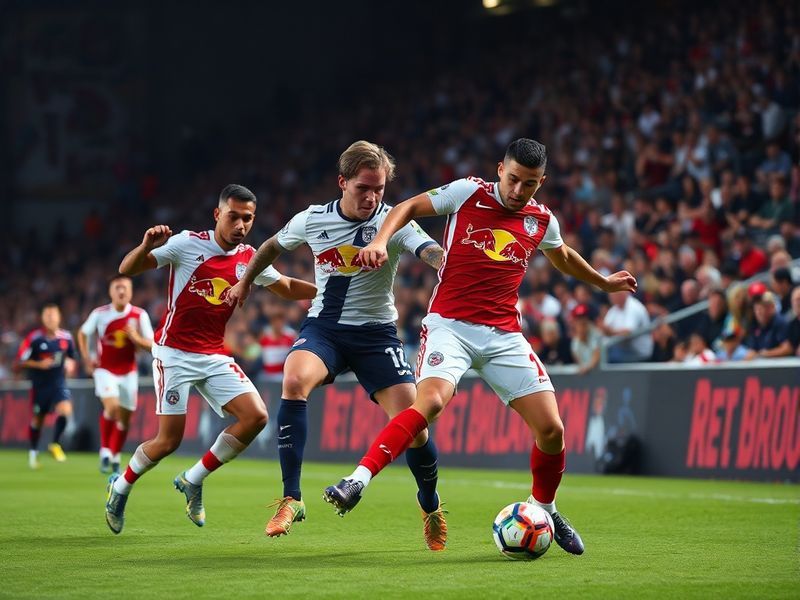
The New York Red Bulls and CF Montréal faced off on a crisp September evening at Red Bull Arena, a match that highlighted contrasting philosophies in Major League Soccer. While the Red Bulls continue to build on their reputation for high-energy pressing, Montréal brought a more measured tactical approach. The game ended in a 1-1 draw, but the tactical battle revealed deeper trends in how North American clubs adapt European influences.
This fixture carried extra significance as both teams jockeyed for playoff positioning. The Red Bulls, perennial Eastern Conference contenders, entered the match in strong form, while Montréal—despite occasional struggles—has shown resilience under complex ownership and stadium transitions. The meeting was not just about three points; it reflected broader shifts in MLS, where European coaching philosophies increasingly shape playing styles.
The Tactical Divide Between Press and Possession
The Red Bulls’ identity remains rooted in the high-pressing, Gegenpressing system popularized by their German ownership and coaching staff. Under Gerhard Struber, the team has refined this approach, prioritizing quick transitions and aggressive ball recovery. Montréal, meanwhile, under the guidance of Hernán Losada, has embraced a more patient, possession-oriented style—one reminiscent of Belgian and Dutch coaching influences.
This tactical contrast was evident from the opening whistle. The Red Bulls pressed in waves, forcing Montréal into long clearances and rushed decisions. Yet Montréal weathered the storm, using short passes and positional play to break the press and exploit spaces behind the high defensive line. The Red Bulls’ intensity waned after the hour mark, allowing Montréal to control tempo and create chances.
In a league often criticized for physical play and direct styles, this match offered a refreshing tactical showcase. It also underscored a global trend: MLS clubs are increasingly hiring coaches from Europe’s top leagues, bringing nuanced tactical ideas to North America. The Red Bulls and CF Montréal represent two such approaches—one built on pressure, the other on patience.
Key Moments That Defined the Match
The game’s first goal came from an unexpected source. Red Bulls midfielder Elias Manoel curled a free kick into the top corner in the 23rd minute, capitalizing on a defensive lapse. The strike showcased the team’s set-piece prowess, a hallmark of Struber’s system. Montréal responded quickly, with forward Sunusi Ibrahim testing Red Bulls keeper Carlos Coronel with a low shot just minutes later.
Momentum shifted in the second half. Montréal equalized in the 68th minute through a well-worked set piece, with defender Joel Waterman rising to head the ball past Coronel. The goal demonstrated Montréal’s tactical discipline and ability to adapt mid-game. The Red Bulls nearly regained the lead in stoppage time, but a last-ditch effort by Montréal defender Zachary Brault-Guillard cleared off the line.
Several key moments stood out:
- Elias Manoel’s free kick: A moment of brilliance that showcased the Red Bulls’ attacking intent.
- Montréal’s set-piece response: A tactical adjustment that shifted the game’s balance.
- Late drama: A dramatic finish that left both teams frustrated but eager for the next encounter.
The match ended 1-1, but it was the tactical narrative that lingered. Both teams showed flashes of quality, yet neither fully capitalized on their strengths. For the Red Bulls, the high press remains a potent weapon but requires stamina and precision. For Montréal, the possession-based style offers control but demands patience against aggressive opponents.
Cultural and Global Context in MLS
Matches like this one highlight how MLS is evolving from a developmental league into a destination for tactical innovation. Clubs are no longer content with simply signing star players; they are investing in coaching staffs that bring fresh ideas from Europe’s top leagues. The Red Bulls’ German influence and Montréal’s Belgian connections reflect this trend.
From a cultural standpoint, the fixture also represents the growing diversity of MLS. The Red Bulls’ fanbase is a melting pot of cultures, drawn to the team’s energetic style and international branding. Montréal, with its Francophone roots and European flair, brings a different cultural identity to the league. This blend enriches the league’s character and attracts a global audience.
Beyond the pitch, the match underscored broader themes in modern soccer. The Red Bulls’ ownership, led by the Red Bull GmbH empire, operates with a corporate efficiency that mirrors European football’s commercialization. Montréal, meanwhile, navigates the challenges of being a smaller-market club with a passionate but geographically dispersed fanbase. Both approaches reflect the realities of North American soccer in the 21st century.
As MLS continues to mature, fixtures like New York Red Bulls vs. CF Montréal will become increasingly important. They are not just games; they are cultural exchanges, tactical experiments, and glimpses into the future of the sport in North America.
The Road Ahead for Both Teams
For the Red Bulls, the priority remains consistency. While their high-pressing style is entertaining, it demands peak fitness and tactical discipline. Struber’s system is effective but can be exploited by teams that remain composed under pressure. The club must also address its defensive vulnerabilities, particularly in transition moments.
Montréal, on the other hand, is building a team that prioritizes structure and development. Losada’s project is still in its early stages, but the signs are promising. The team’s ability to adapt mid-game and execute set pieces suggests a growing maturity. If Montréal can improve its away form, it could challenge for a top-four spot in the Eastern Conference.
Both teams will look to refine their approaches as the season progresses. The Red Bulls will aim to tighten their defensive transitions, while Montréal will seek to add more firepower to its attack. Regardless of the outcomes, this match highlighted the tactical depth and cultural richness that make MLS a compelling league to watch.
As the season unfolds, fans can expect more clashes between pressing powerhouses and possession-oriented teams. These matches are not just about results; they are about the evolution of soccer in North America. The New York Red Bulls and CF Montréal are at the forefront of this transformation, each offering a unique vision of the game.