Portage, WI: A City of Hidden Gems and Quiet Ambition
“`html
Portage, WI: A City of Hidden Gems and Quiet Ambition
Nestled along the Wisconsin River in Columbia County, Portage, Wisconsin, often flies under the radar despite its rich history and strategic location. With a population just shy of 11,000, this city of about 10 square miles offers a blend of small-town charm, outdoor recreation, and economic resilience. Unlike larger Wisconsin cities such as Madison or Milwaukee, Portage thrives on its ability to balance growth with preservation, making it a compelling case study in sustainable community development.
The Historical Tapestry of Portage
Portage’s origins trace back to the 17th century when it served as a vital portage route between the Wisconsin and Fox Rivers for French fur traders. This strategic location earned the city its name and positioned it as a crossroads for centuries. By the mid-19th century, Portage evolved into a railroad hub, further cementing its role in regional commerce and transportation.
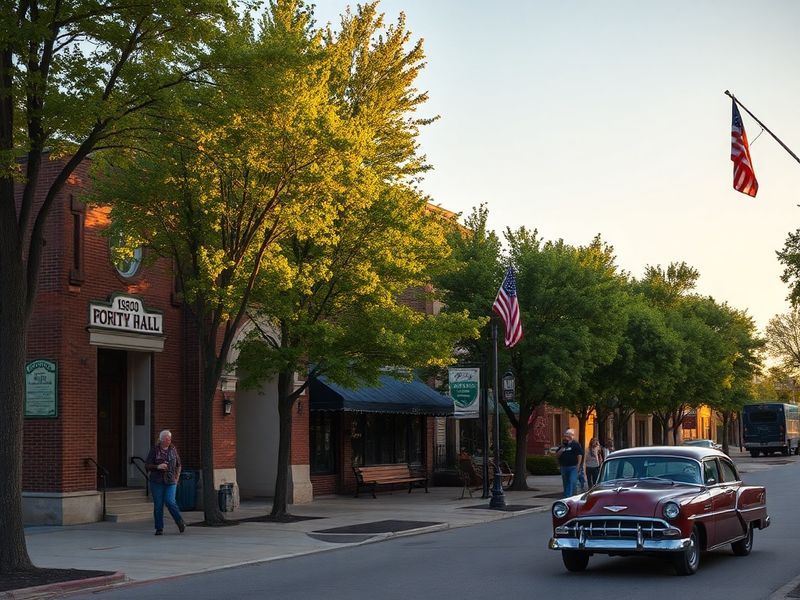
The city’s historic downtown reflects this heritage, with buildings dating back to the 1800s lining Main Street. The Portage City Hall, constructed in 1878, stands as a testament to the city’s architectural and civic pride. Meanwhile, the local historical society preserves artifacts and stories that highlight Portage’s pivotal moments, from its Indigenous roots to its industrial boom.
Economic Drivers and Modern Growth
Today, Portage’s economy is a mix of manufacturing, agriculture, and logistics. Major employers include facilities for food processing, metal fabrication, and distribution, leveraging the city’s access to Interstate 39 and the Wisconsin River. The Portage Industrial Park, developed in the late 20th century, has attracted businesses seeking affordable land and a skilled workforce.
Agriculture remains a cornerstone of the local economy, with dairy farming and crop production dominating the surrounding countryside. The city’s proximity to Madison—just 30 miles to the southwest—also allows residents to commute for higher-paying jobs while enjoying Portage’s lower cost of living. This balance between local industry and regional connectivity positions Portage as a microcosm of Wisconsin’s broader economic trends.
Key Economic Sectors in Portage
- Manufacturing: Home to companies producing food products, metal goods, and industrial equipment.
- Agriculture: Dairy farms and crop fields contribute significantly to the local economy.
- Logistics: The city’s transportation infrastructure supports distribution centers and warehouses.
- Retail and Services: Small businesses and local shops cater to both residents and passing travelers.
Outdoor Recreation and Natural Beauty
Portage’s location along the Wisconsin River and near the Baraboo Hills makes it a haven for outdoor enthusiasts. The Ice Age National Scenic Trail passes through the area, offering hikers a chance to explore glacial landscapes. Meanwhile, the nearby Columbia County Park provides camping, fishing, and picnicking opportunities just minutes from downtown.
For water lovers, the Wisconsin River offers kayaking, canoeing, and fishing, with access points like the Portage Boat Launch. The city also maintains a network of parks, including the scenic Standing Rock Park, which features a historic effigy mound and panoramic river views. These green spaces not only enhance quality of life but also attract tourists seeking a quieter alternative to more crowded Wisconsin destinations.
Challenges and Opportunities
Despite its strengths, Portage faces challenges common to many mid-sized Midwestern cities. Aging infrastructure, workforce shortages, and competition from larger urban centers are ongoing concerns. However, the city’s proactive approach to economic development and community engagement offers a model for resilience.
Portage’s city government has prioritized downtown revitalization, with recent investments in streetscapes, public art, and local events like the annual Portage Summerfest. These efforts aim to draw visitors while fostering a stronger sense of community. Additionally, the city’s location along the proposed route of the Wisconsin River Trail could further boost tourism and economic activity in the coming years.
Portage’s Path Forward
Looking ahead, Portage stands at a crossroads between preserving its heritage and embracing growth. The city’s ability to attract remote workers, support small businesses, and invest in sustainable development will be critical. By leveraging its unique assets—history, location, and community spirit—Portage can carve out a distinct identity in an increasingly homogenized world.
For those willing to look beyond the headlines, Portage, WI, offers a quiet but compelling narrative of resilience and ambition. It’s a place where the past and future coexist, and where the American Midwest’s enduring spirit is on full display.
Conclusion
Portage may not be the largest or most famous city in Wisconsin, but its story is one worth telling. From its origins as a portage route for fur traders to its modern role as an economic and recreational hub, Portage embodies the quiet determination of small cities across the Midwest. As it navigates the challenges of the 21st century, the city’s focus on community, sustainability, and growth ensures it will remain a vital part of Wisconsin’s landscape for generations to come.