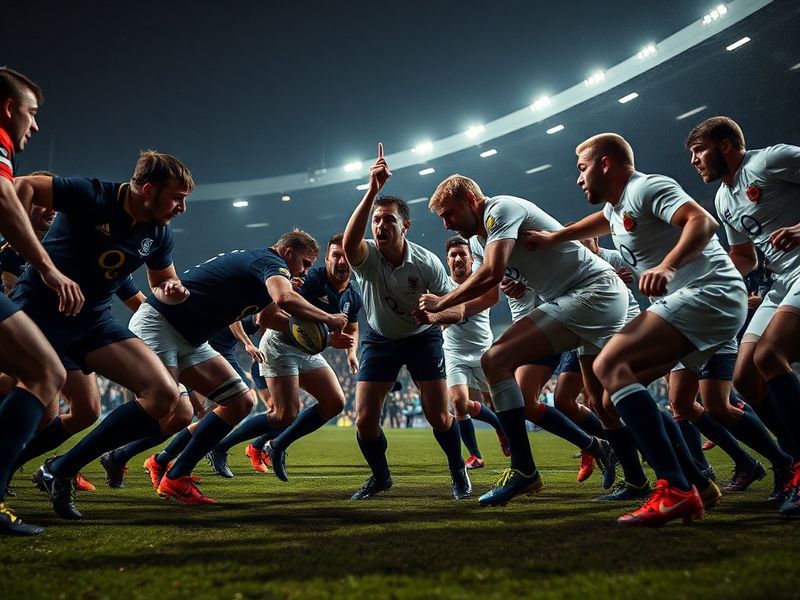
The age-old rivalry between Scotland and England extends far beyond the football pitch. From historical conflicts to modern-day cultural exchanges, the relationship between these two nations is complex, multifaceted, and deeply rooted in shared history. While their athletic competitions often draw the most attention, the broader implications of their rivalry reveal much about national identity, cultural pride, and the evolving dynamics of the United Kingdom.
The Historical Roots of Rivalry
The origins of Scotland and England’s rivalry trace back centuries, long before the first football match was ever played between them. Political tensions, territorial disputes, and religious differences have all contributed to a fraught history. The Wars of Scottish Independence in the 13th and 14th centuries, particularly the battles led by William Wallace and Robert the Bruce, remain defining moments in Scottish national consciousness. These conflicts were not merely about land but about sovereignty and the right to self-determination.
Even after the 1707 Acts of Union formally united the two nations under the Kingdom of Great Britain, resentment simmered beneath the surface. The Highland Clearances, economic disparities, and cultural suppression policies in the 18th and 19th centuries further fueled Scottish grievances. These historical wounds continue to shape contemporary attitudes, with debates over devolution and independence still dominating political discourse in Scotland today.
Key Moments in the Rivalry
- 1297 Battle of Stirling Bridge: William Wallace’s victory over English forces became a symbol of Scottish resistance and is celebrated in folklore and national memory.
- 1314 Battle of Bannockburn: Robert the Bruce’s triumph secured Scottish independence, though it would later be challenged by successive monarchs.
- 1707 Acts of Union: The political merger of Scotland and England created Great Britain but left lasting questions about Scottish autonomy.
- 1999 Devolution Referendum: The establishment of the Scottish Parliament marked a significant step toward self-governance, reflecting ongoing tensions within the union.
The Modern Rivalry: Sports and Beyond
While historical conflicts have diminished, the rivalry has found new expressions in modern arenas, particularly sports. The annual Six Nations rugby tournament and occasional football matches between the two nations are more than just games—they are cultural touchstones. These competitions tap into deep-seated national pride, with victories celebrated as affirmations of identity and resilience.
Football, in particular, has become a stage for this rivalry. Matches between the Scotland and England national teams are often intense, with fans on both sides bringing passion and fervor. The 1967 match, where Scotland famously defeated England 3-2 at Wembley, remains a cherished memory for Scottish supporters. More recently, the UEFA Euro 2020 qualifier in 2019, which ended in a 0-0 draw, highlighted the competitive edge that persists in their encounters.
Beyond sports, cultural rivalries persist in music, literature, and even cuisine. Scottish and English musicians have long competed for dominance in the British music scene, while literary giants like Sir Walter Scott and Charles Dickens have shaped national narratives in contrasting ways. Even something as simple as a debate over the best biscuit—digestives vs. shortbread—can spark playful banter and underline the cultural distinctions between the two nations.
The Broader Implications: Identity and Nationhood
The Scotland vs. England dynamic is more than a historical footnote or a sporting spectacle. It reflects broader questions about national identity, sovereignty, and the future of the United Kingdom. Scotland’s 2014 independence referendum and the 2021 push for another vote highlight ongoing debates about what it means to be Scottish and how that identity aligns—or conflicts—with Britishness.
Economically, the relationship is equally nuanced. Scotland’s vast natural resources, particularly oil and renewable energy, have fueled arguments for economic independence. Meanwhile, England remains the dominant economic powerhouse within the UK, with London serving as a global financial hub. The balance of power between the two nations is constantly negotiated, whether through fiscal policies, trade agreements, or debates over public spending.
Culturally, the rivalry has also taken on new forms in the digital age. Social media platforms amplify nationalistic sentiments, with hashtags like #Scotland or #England trending during major competitions. Memes, viral videos, and online debates further perpetuate the friendly (and sometimes not-so-friendly) banter between the two nations. This digital exchange keeps the rivalry alive in ways that were unimaginable just a few decades ago.
The Future of the Rivalry
Looking ahead, the Scotland vs. England rivalry is likely to evolve rather than disappear. As Scotland continues to assert its distinct identity, the relationship with England will remain a focal point of political and cultural discourse. The outcome of future independence referendums, the impact of Brexit on both nations, and the ongoing negotiation of powers between Westminster and Holyrood will all shape the next chapter of this complex dynamic.
Yet, there is also room for cooperation. Both nations share a commitment to social progress, environmental sustainability, and cultural innovation. The arts, sciences, and business sectors often collaborate, proving that rivalry and partnership can coexist. For instance, the Edinburgh Festival Fringe, the world’s largest arts festival, attracts talent from across the UK and beyond, fostering creativity and mutual appreciation.
Conclusion
The Scotland vs. England rivalry is a tapestry woven from threads of history, culture, and national pride. It is a relationship defined by both conflict and cooperation, tension and camaraderie. While sports and historical grievances often take center stage, the deeper implications of this rivalry touch on questions of identity, sovereignty, and the future of the United Kingdom. As both nations move forward, their dynamic will continue to evolve, shaped by political decisions, cultural shifts, and the ever-present influence of their shared past.
Rather than viewing this rivalry as a zero-sum game, there is an opportunity to recognize its complexity. Scotland and England are bound by geography, history, and shared challenges, yet their differences offer a chance to learn from one another. The goal should not be to declare a winner but to understand how these two nations can navigate their differences while building a future that honors their unique identities and collective potential.
For those interested in exploring more about the cultural and historical intersections of these nations, Dave’s Locker Culture and Dave’s Locker News sections offer deeper insights into how such rivalries shape broader societal trends.