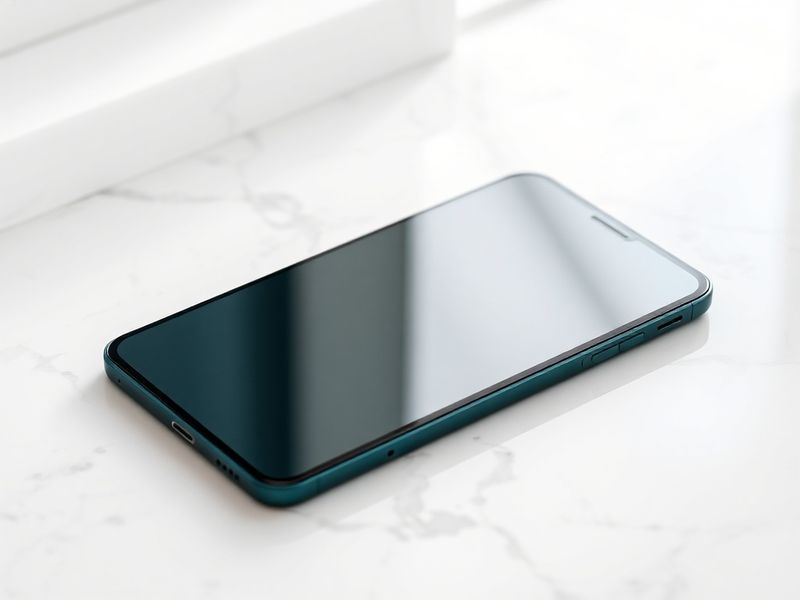
Apple’s long-rumored entry into the foldable smartphone market has reached a pivotal moment. After years of speculation, supply chain leaks, and occasional executive hints, 2025 could finally see the first iPhone with a foldable display. This isn’t just another product launch—it’s a potential redefinition of what an iPhone can be. While Cupertino has traditionally favored incremental innovation, the foldable form factor forces a bolder approach.
The stakes are high. Samsung, Huawei, and Motorola have already established strong positions in the foldable segment, each with distinct strengths. Apple, however, doesn’t follow—it reimagines. The challenge lies in delivering a device that feels distinctly Apple: intuitive, premium, and seamlessly integrated with its ecosystem. Early reports suggest the company is focusing on durability, software optimization, and a design that avoids the fragility often associated with foldables.
The Evolution of Apple’s Foldable Ambitions
Apple’s journey toward a foldable iPhone began more than a decade ago. Internal prototypes and patents dating back to 2011 reveal early experiments with flexible displays, though the technology wasn’t mature enough. By 2018, reports surfaced of Cupertino testing foldable prototypes with suppliers like LG and Samsung Display. The goal wasn’t just to mimic competitors—it was to create a device that leveraged Apple’s software expertise.
Software is where Apple could truly differentiate itself. iOS is already optimized for larger screens on iPads and Macs, but a foldable iPhone would require a new level of adaptability. Imagine a device that seamlessly transitions between a compact phone and a tablet-like experience, with apps resizing dynamically. This kind of fluidity aligns with Apple’s strengths in ecosystem integration and user experience.
Industry analysts suggest Apple may introduce two variants: a clamshell design similar to Samsung’s Galaxy Z Fold and a book-style foldable akin to Huawei’s Mate X series. The latter could feature a secondary cover display, a feature rumored to enhance multitasking without fully unfolding the device. Apple’s approach to durability will also be critical. The company is reportedly working with suppliers to develop ultra-thin glass that resists scratches and creasing, addressing one of the biggest pain points for foldable users.
Key Challenges Apple Must Overcome
Bringing a foldable iPhone to market isn’t without hurdles. Apple must address concerns that have plagued competitors:
- Durability: Foldable screens are more susceptible to damage than traditional glass. Apple’s reputation for build quality demands a solution that minimizes risks like screen creasing or hinge wear.
- Battery Life: Larger displays typically drain power faster. Apple will need to optimize efficiency to ensure all-day use, possibly by integrating a more advanced battery or improving standby performance.
- Software Adaptability: iOS wasn’t designed with foldable screens in mind. Apple must refine its interface to handle split-screen multitasking, app continuity, and dynamic resizing without compromising usability.
- Price Point: Foldables often carry premium price tags. Apple’s challenge is justifying a higher cost while maintaining its reputation for value, especially if the device competes with existing iPhones.
Apple’s ability to tackle these challenges could set a new standard for the industry. If successful, the foldable iPhone might not just compete with Samsung or Huawei—it could redefine consumer expectations for what a smartphone can do.
Why Apple is Entering the Foldable Market Now
The timing of Apple’s foldable iPhone launch is telling. The global smartphone market has stagnated, with annual growth rates slowing to single digits. Consumers are holding onto devices longer, and incremental upgrades no longer justify premium prices. Foldables represent a rare opportunity to reignite demand by offering something truly new.
Market data supports this strategy. According to Counterpoint Research, foldable smartphone shipments grew by 64% year-over-year in 2023, with projections suggesting they could account for 10% of the premium smartphone market by 2025. Apple, which dominates the premium segment with over 50% market share, can’t afford to cede this emerging category to competitors.
Moreover, Apple’s supply chain is finally ready. Korean display manufacturers like Samsung and LG have made significant strides in flexible OLED technology, reducing defects and improving yield rates. Meanwhile, Chinese suppliers have also ramped up production, ensuring Apple has multiple sources for critical components. This diversification is crucial for meeting demand without relying on a single partner.
The broader implications extend beyond smartphones. A successful foldable iPhone could accelerate Apple’s push into mixed reality. The company’s upcoming Vision Pro headset already hints at a future where displays are fluid and adaptable. By mastering foldable technology now, Apple gains a foothold in a market that may soon blend phones, tablets, and AR devices into a single ecosystem.
The Broader Impact on the Smartphone Industry
Apple’s entry into the foldable market isn’t just about selling more devices—it’s about reshaping the entire industry. Competitors like Samsung and Huawei have already proven that foldables can attract attention, but Apple’s involvement could legitimize the category in ways others couldn’t. Consumers who once dismissed foldables as niche or gimmicky may reconsider if Apple delivers a polished, reliable product.
This shift could also pressure other manufacturers to innovate. Google, for instance, has been rumored to work on a foldable Pixel, but its success hinges on software optimization. Apple’s integrated approach—where hardware, software, and services work in harmony—could set a benchmark that others struggle to match. Meanwhile, Chinese brands like Oppo and Xiaomi may double down on foldables to compete in international markets.
On a consumer level, the foldable iPhone could change how people use their devices. The ability to carry a compact phone that unfolds into a tablet-sized screen addresses a long-standing trade-off between portability and functionality. For professionals, creatives, and multitaskers, this could be a game-changer. Apple’s focus on ecosystem integration means features like AirDrop, Continuity, and iCloud syncing would work seamlessly across devices, further locking users into its ecosystem.
The environmental impact is another consideration. Foldables typically use more materials than traditional smartphones, raising concerns about e-waste. Apple, which has pledged carbon neutrality by 2030, will need to address this by using recycled components and offering robust recycling programs. The company’s commitment to longevity—through software updates and repairability—could also mitigate some of these concerns.
What’s Next for Apple and Foldables
If Apple unveils a foldable iPhone in 2025, the launch will likely follow its usual playbook: a high-profile keynote, meticulous marketing, and a focus on premium positioning. The device may initially launch in limited markets, with global availability rolling out gradually. Early adopters can expect to pay a premium, but Apple’s track record suggests prices will normalize within a year or two.
For developers, the challenge will be adapting apps to the foldable form factor. Apple’s Worldwide Developers Conference (WWDC) could introduce new tools and APIs to simplify this process, ensuring a robust app ecosystem from day one. Meanwhile, accessory makers will scramble to create cases, stands, and other peripherals tailored to the new design.
Looking further ahead, foldables could become a cornerstone of Apple’s product strategy. Rumors already point to a foldable MacBook or iPad, further blurring the lines between devices. The company’s long-term vision may involve a modular ecosystem where users can swap components—like displays or batteries—based on their needs. This kind of flexibility would align with Apple’s push toward sustainability and user empowerment.
For now, the world waits. Apple’s foldable iPhone isn’t just another product—it’s a statement. It signals that even in a mature market, innovation can still redefine what’s possible. Whether it succeeds or stumbles, one thing is certain: the smartphone industry will never be the same.
Stay updated on Apple’s latest moves by exploring our Technology and News sections. For in-depth analysis of smartphone trends and market shifts, visit our Analysis category.