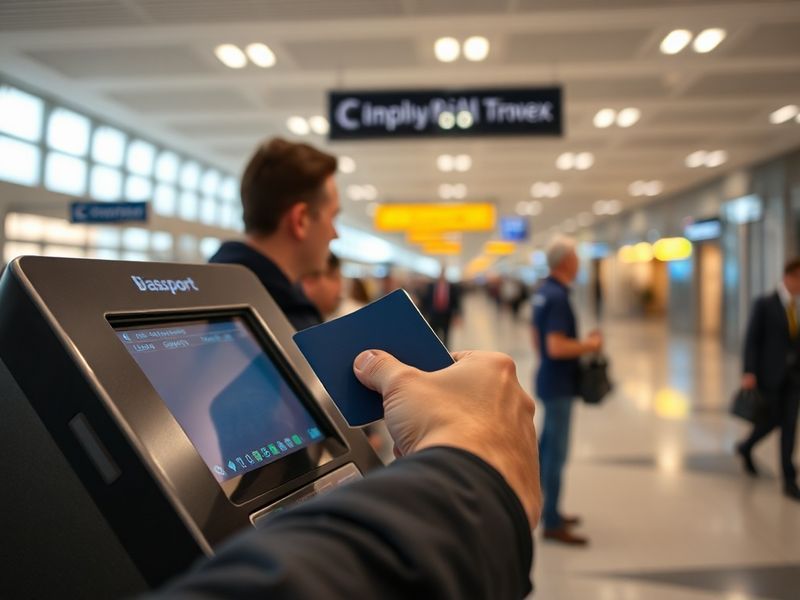
The European Union’s Entry-Exit System (EES) officially launched in Greece on August 8, 2024, marking a significant shift in how non-EU travelers are processed at the country’s borders. While Greece is the first EU member state to fully implement the system, it follows a phased rollout that began earlier this year. The EES replaces manual passport stamping with an automated digital process, aiming to streamline border crossings and enhance security across the Schengen Zone.
For travelers visiting Greece—whether for tourism, business, or transit—the introduction of the EES brings both convenience and new procedural requirements. The system is designed to reduce queues at border control points while improving the detection of overstays and identity fraud. However, its implementation has also raised questions about potential delays during the transition period and the readiness of Greek airports and land crossings to handle the new technology.
How the Entry-Exit System Works in Greece
The EES operates through automated gates and kiosks, where travelers scan their passports or travel documents. The system then captures biometric data—including facial images and fingerprints—before granting or denying entry based on the traveler’s visa status and the validity of their documents. Unlike traditional passport stamps, which are manually recorded, the EES stores entry and exit records electronically in a centralized EU database.
Key features of the system include:
- Automated processing: Travelers no longer need to wait for manual stamping, reducing time spent at border control.
- Biometric verification: Facial recognition and fingerprinting ensure higher accuracy in identity checks.
- 90-day tracking: The system monitors stays within the Schengen Zone, alerting authorities if a traveler overstays their visa-free period.
- Integration with ETIAS: Starting in mid-2025, the EES will work alongside the European Travel Information and Authorisation System (ETIAS), further tightening security for visa-exempt travelers.
Greece’s implementation of the EES comes as part of a broader EU initiative to modernize border management. The system was first tested in late 2023 at Athens International Airport and has since expanded to other major entry points, including Thessaloniki and regional airports. Land borders with Albania, North Macedonia, and Turkey are also equipped with EES kiosks, though some crossings may still rely on manual checks during peak travel seasons.
Impact on Travelers: What Changes for Tourists and Visitors?
For the millions of tourists who visit Greece each year, the EES introduces a more efficient but slightly unfamiliar process. Travelers from non-EU countries—such as the United States, Canada, Australia, and the UK—will no longer receive ink stamps in their passports. Instead, their entry and exit records will be stored digitally, accessible only to border authorities.
While the system is designed to speed up processing, there are concerns about potential hiccups during the initial rollout. Some travelers have reported longer wait times at airports where EES kiosks are still being calibrated or where staff are adjusting to the new procedures. The Greek Ministry of Citizen Protection has assured that additional staff and technical support will be deployed to minimize disruptions.
For those planning trips to Greece, here’s what to expect:
- Prepare your documents: Ensure your passport is machine-readable and valid for at least three months beyond your planned departure date.
- Allow extra time: While the EES aims to reduce wait times, travelers should budget an additional 10-15 minutes for biometric registration, especially during peak travel months.
- Check for updates: Some airports may have dedicated EES lanes, while others could still use a mix of manual and automated checks. Travelers should check their departure airport’s website for specific instructions.
- Monitor your stay: The EES tracks the 90-day visa-free period within the Schengen Zone. Travelers exceeding this limit risk fines or entry bans, so it’s important to keep track of their time in Greece and other Schengen countries.
For frequent travelers, the EES offers long-term benefits, such as reduced risk of lost or damaged passport stamps and faster re-entry into the Schengen Zone. However, those accustomed to collecting stamps as travel souvenirs will need to find alternative ways to document their trips.
Border Security and the Broader EU Context
The EES is part of the EU’s broader strategy to strengthen external borders and combat irregular migration. Greece, with its geographic position at the crossroads of Europe and the Middle East, has been a focal point for these efforts. The country has received significant EU funding to upgrade its border infrastructure, including the installation of EES kiosks and surveillance systems.
Critics of the system argue that while it enhances security, it could disproportionately affect travelers from certain countries due to stricter document checks or perceived biases in biometric recognition. Others worry about data privacy, given that the EES stores sensitive biometric information. The EU has stated that data collected under the EES is protected under GDPR regulations and will only be used for border control purposes.
Greece’s implementation of the EES also aligns with its ongoing efforts to manage migration flows. In recent years, the country has faced challenges at its land borders, particularly with Turkey, where thousands of migrants attempt to enter the EU irregularly each year. The EES’s real-time tracking of entries and exits is expected to help authorities identify overstayers and enforce deportation orders more effectively.
From a logistical standpoint, the EES represents a major step forward in digitalizing Europe’s border controls. By replacing paper-based processes with an automated system, the EU aims to reduce human error and streamline operations across its 27 member states. Greece’s early adoption of the system positions it as a model for other countries preparing to implement the EES in the coming years.
Looking Ahead: Challenges and Future Developments
Despite the benefits of the EES, challenges remain. One of the biggest concerns is the system’s reliance on technology, which could be vulnerable to technical failures or cyberattacks. The EU has assured that robust cybersecurity measures are in place, but the risk of glitches during high-traffic periods cannot be entirely ruled out.
Another issue is the potential for longer wait times during the initial phase, as travelers and border staff adapt to the new procedures. The Greek government has pledged to monitor the system’s performance closely and make adjustments as needed. Travel industry groups, including Dave’s Locker’s travel section, have also emphasized the importance of clear communication with passengers to avoid confusion.
Looking further ahead, the EES will integrate with other EU border management systems, such as the European Border and Coast Guard Agency (Frontex) and the Schengen Information System (SIS). This interconnected approach aims to create a seamless and secure travel experience across the EU. For Greece, the successful implementation of the EES could serve as a blueprint for managing its borders more effectively in the years to come.
As the EES becomes fully operational, travelers to Greece should stay informed about any updates or changes to border procedures. While the system is designed to make travel smoother, its success will depend on the cooperation of travelers, border authorities, and technology providers. For now, Greece stands at the forefront of a new era in European border security—one that prioritizes both efficiency and vigilance.