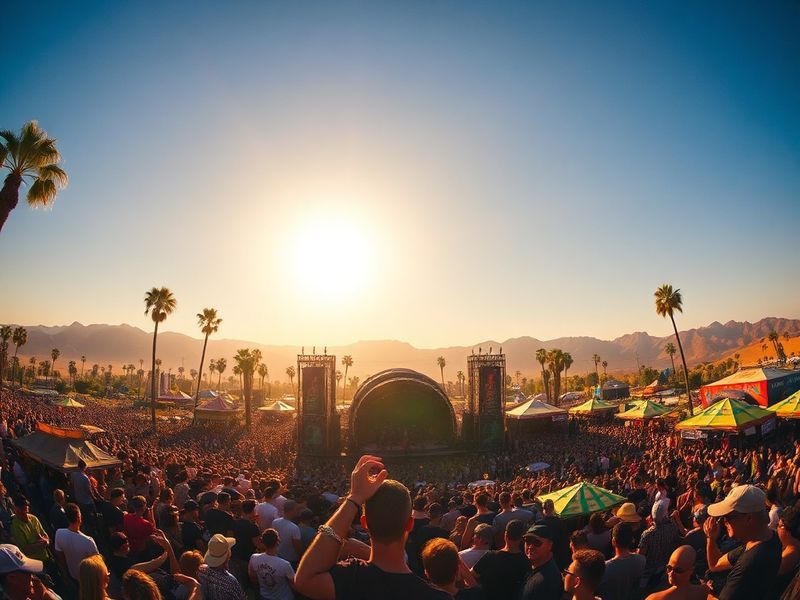
Each April, the Coachella Valley Music and Arts Festival transforms the California desert into a cultural mecca. Since its inception in 1999, the festival has grown from a modest indie showcase to one of the world’s most influential music events. But beyond the headlining performances and art installations lies another evolution: the rise of Coachella Live. This digital extension of the festival has redefined how millions experience the event, blending physical presence with virtual access in ways that challenge traditional notions of live entertainment.
The shift toward hybrid experiences isn’t just a trend—it’s a response to global shifts in how audiences consume live content. With ticket prices climbing and physical spaces limited, virtual access has become more than a convenience; it’s a necessity. Coachella Live has capitalized on this demand by offering live streams, exclusive behind-the-scenes footage, and interactive elements that extend the festival’s reach far beyond the Empire Polo Club gates.
The Evolution of Coachella Live: From Livestreams to Immersive Experiences
The first official Coachella livestream debuted in 2011, a modest experiment that broadcast performances to a global audience. At the time, the technology was rudimentary—static cameras, limited angles, and no interactivity. Yet, even then, it signaled a shift in how festivals could engage fans who couldn’t attend in person.
Over the years, Coachella Live has transformed into a sophisticated digital platform. By 2020, the festival faced an existential challenge: canceling the live event due to the COVID-19 pandemic. In response, Coachella pivoted aggressively, launching a multi-day virtual festival featuring performances from artists who would have played the main stage. This wasn’t just a stopgap measure; it was a blueprint for the future of live music.
Today, Coachella Live offers several tiers of access:
- Free Livestreams: Selected sets from the Sahara, Gobi, and Mojave tents are broadcast live on YouTube and the festival’s website. These streams reach millions, democratizing access to performances that were once reserved for ticket holders.
- Exclusive Digital Passes: For a fee, fans gain access to high-definition streams, artist interviews, and curated playlists. This tier bridges the gap between free and in-person experiences.
- Augmented Reality (AR) Features: Recent iterations include AR-enhanced viewing options, allowing users to customize their virtual experience with filters, real-time stats, and interactive maps.
- On-Demand Content: Missed a set? Coachella Live’s archive offers replays of performances, often within hours of their conclusion. This caters to time zones and schedules that conflict with live broadcasts.
The platform’s growth reflects broader industry trends. Festivals like Lollapalooza and Austin City Limits have adopted similar models, but Coachella’s scale and cultural cachet give its digital offerings unparalleled visibility. The result is a hybrid model that doesn’t replace the physical experience but enhances it.
The Impact of Coachella Live on Artists and Fans
For artists, Coachella Live has become a powerful tool for fan engagement. Independent musicians, in particular, benefit from the exposure that livestreams provide. A viral performance on Coachella Live can catapult an artist from obscurity to mainstream recognition overnight. Consider the rise of artists like Cuco and Rex Orange County, both of whom gained significant traction through festival streams before headlining main stages.
For established acts, the digital platform offers a secondary revenue stream. Bands like Billie Eilish and Harry Styles have leveraged Coachella Live to tease new material, announce tour dates, or even drop singles. The festival’s association with prestige and exclusivity makes it an ideal launchpad for major announcements.
Fans, meanwhile, have embraced Coachella Live as a way to curate their own festival experience. The ability to switch between stages, rewatch sets, and discover new artists has democratized access to the event. This is particularly significant for international fans who face prohibitive travel costs and visa restrictions. A teenager in Tokyo or a music lover in Berlin can now experience Coachella in real time, something unimaginable two decades ago.
Yet, the virtual experience isn’t without its critics. Purists argue that livestreams lack the energy, spontaneity, and communal vibe of a physical festival. There’s no denying the magic of standing in a crowd as a favorite artist performs—but Coachella Live mitigates that loss by offering something else: convenience and accessibility. For many, the choice isn’t between virtual and physical but how to integrate both into their festival experience.
The Broader Implications: What Coachella Live Means for the Future of Live Music
The success of Coachella Live has implications that extend far beyond the Empire Polo Club. It signals a fundamental shift in how live events are monetized and experienced. Festivals are no longer confined to a single location or time zone; they exist in a digital continuum that operates 24/7.
This evolution has forced industry stakeholders to rethink the value of in-person attendance. If a significant portion of the festival experience can be replicated online, why pay premium prices for a ticket? The answer lies in exclusivity and community. Coachella’s art installations, VIP lounges, and after-parties remain unmatched in the digital realm. The physical event offers intangible benefits—networking, serendipitous encounters, and the sheer joy of being part of a collective moment—that are hard to replicate online.
However, the digital extension of Coachella also raises questions about equity. While livestreams make the festival more accessible, they don’t address systemic barriers like affordability and accessibility for disabled attendees. Coachella has made strides in inclusivity, but the virtual platform could do more to accommodate diverse audiences—for example, offering sign language interpreters or audio descriptions for visually impaired fans.
Looking ahead, the integration of emerging technologies like virtual reality (VR) and blockchain could further revolutionize Coachella Live. Imagine donning a VR headset and “attending” Coachella from your living room, walking through digital replicas of the festival grounds while interacting with other fans in real time. Or using NFTs to unlock exclusive content or VIP perks. These possibilities are already being explored by forward-thinking festivals, and Coachella is well-positioned to lead the charge.
Conclusion: A New Chapter for Festival Culture
Coachella Live represents more than just a digital extension of a music festival; it’s a testament to the adaptability of live entertainment in an increasingly digital world. By embracing technology, Coachella has not only survived challenges like the pandemic but has also expanded its reach and relevance. The hybrid model it has pioneered offers a blueprint for other festivals, artists, and brands looking to merge the physical and digital realms.
Yet, the true measure of Coachella Live’s success lies in its ability to complement—not replace—the magic of the physical festival. The best experiences will always be those that bring people together in real time, under the desert sun. But in a world where access is often determined by geography or economics, Coachella Live ensures that the music—and the community—reaches everyone, everywhere.
As the festival continues to evolve, one thing is clear: the future of live music isn’t either/or. It’s both. And Coachella is leading the way.
For more insights into how digital trends are reshaping live events, explore our coverage of Music and Technology at Dave’s Locker.