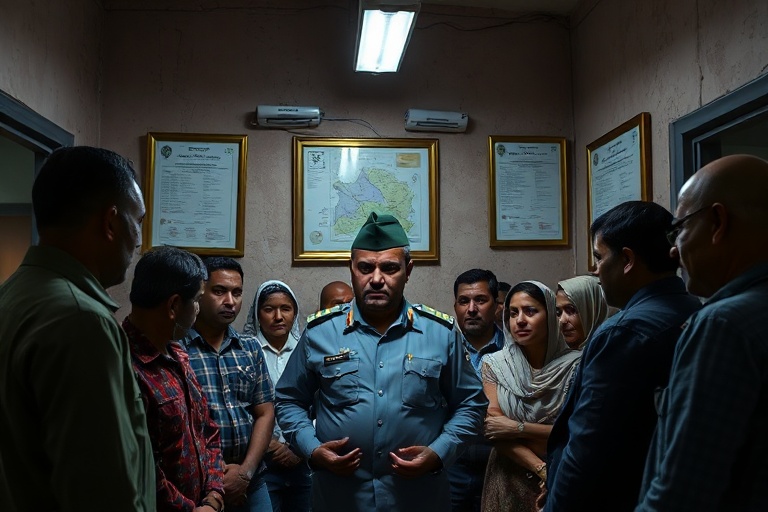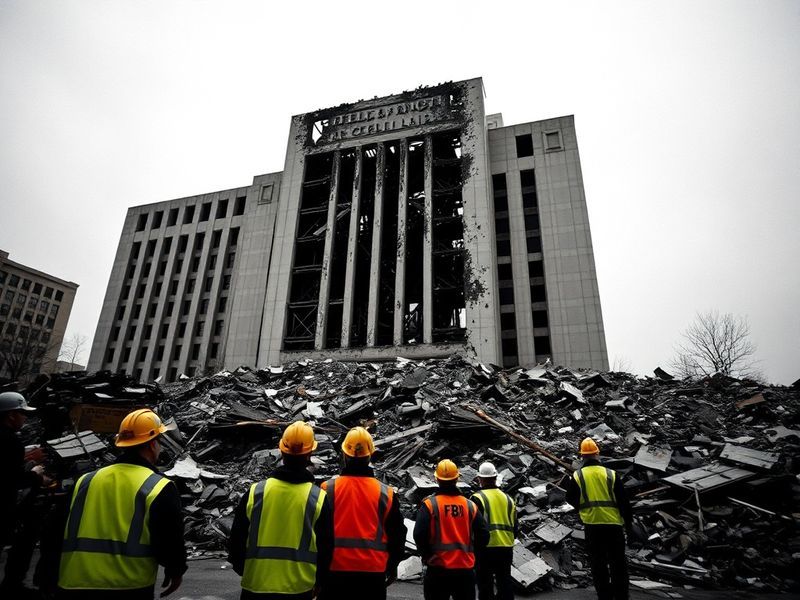
The Oklahoma City bombing of April 19, 1995, remains one of the most devastating domestic terrorist attacks in U.S. history. The explosion at the Alfred P. Murrah Federal Building killed 168 people, including 19 children, and injured hundreds more. This act of violence not only shattered lives in Oklahoma City but also sent shockwaves across the United States and the world. The attack forced a reckoning with domestic extremism, reshaped national security policies, and left an indelible mark on American culture.
The bombing was carried out by Timothy McVeigh and Terry Nichols, two anti-government extremists who sought retaliation for the federal government’s handling of the Ruby Ridge siege and the Waco siege. Their actions were rooted in a broader movement that had gained traction in the U.S. during the 1990s—a movement fueled by distrust of federal authority, conspiracy theories, and a willingness to use violence to achieve political ends. The attack exposed the vulnerabilities of American institutions and highlighted the dangers of unchecked extremism.
The Context: A Nation Divided
By the mid-1990s, the United States was experiencing a period of political and social upheaval. The Cold War had ended, but new threats were emerging from within. The rise of militias, sovereign citizen movements, and far-right extremist groups had created an environment where anti-government sentiment flourished. The federal government’s actions in Ruby Ridge, Idaho, and Waco, Texas, had further radicalized individuals who believed the government was overreaching and oppressive.
McVeigh, a decorated Gulf War veteran, saw himself as a patriot fighting against tyranny. His beliefs were not unique. The Oklahoma City bombing was part of a broader trend of domestic terrorism that had been simmering for years. In the years leading up to the attack, there had been a surge in hate crimes, bombings, and armed standoffs involving extremist groups. The bombing, however, was different in scale and brutality. It was the deadliest act of domestic terrorism in U.S. history at the time, surpassing even the 1920 Wall Street bombing.
Globally, the attack sent ripples through countries grappling with their own extremist threats. In Europe, governments watched with concern as far-right and far-left extremist groups gained traction. In the Middle East, the bombing was often cited in discussions about the fragility of American democracy and the ease with which violence could be used to achieve political goals. The attack underscored the global nature of terrorism, even when it originated from within a nation’s borders.
The Aftermath: A Nation in Mourning
The immediate aftermath of the bombing was one of chaos and grief. Rescue workers labored for days to recover survivors and victims from the rubble of the Murrah Building. The images of firefighters and volunteers sifting through debris, many of them covered in dust and blood, became iconic symbols of resilience. The attack also sparked an outpouring of support from around the world, as countries from Canada to Japan offered aid and condolences.
In the days following the bombing, the U.S. government launched one of the largest investigations in its history. The FBI quickly identified McVeigh as the primary suspect, and he was arrested just 90 minutes after the explosion. Nichols was later apprehended, and both men were charged with conspiracy and murder. Their trial became a media spectacle, drawing comparisons to the O.J. Simpson trial in terms of its cultural impact.
The bombing also led to significant changes in U.S. security policies. The federal government increased funding for counterterrorism efforts, particularly those targeting domestic extremists. The Bureau of Alcohol, Tobacco, and Firearms (ATF) and the FBI were given more resources to monitor and disrupt extremist groups. The attack also prompted a reevaluation of how federal buildings were protected, leading to the creation of the Federal Protective Service and stricter building codes.
For the people of Oklahoma City, the bombing left scars that would take years to heal. The city became a symbol of resilience, with community leaders and survivors working to rebuild not just the Murrah Building site but also the spirit of the city. The Oklahoma City National Memorial & Museum, which opened in 2000, stands as a testament to the lives lost and the community’s determination to move forward.
The Legacy: Extremism and Its Consequences
More than 25 years after the Oklahoma City bombing, its legacy continues to shape discussions about extremism, domestic terrorism, and national security. The attack served as a wake-up call for the U.S., revealing the dangers of unchecked hate and the ease with which violence can be justified in the name of ideology. It also highlighted the role of the internet in spreading extremist ideologies, a trend that has only grown in the decades since.
In the years following the bombing, the U.S. has seen a resurgence of extremist activity, from the rise of white nationalist groups to the surge in domestic terrorism linked to political grievances. The attack remains a cautionary tale about the consequences of divisive rhetoric and the importance of addressing the root causes of extremism. It also serves as a reminder that terrorism is not confined to foreign actors—it can emerge from within a nation’s own borders.
Globally, the Oklahoma City bombing has been studied as a case study in the psychology of terrorism and the factors that drive individuals to commit acts of violence. Researchers have examined the role of conspiracy theories, the influence of extremist media, and the ways in which grievances can escalate into violence. The attack has also been cited in discussions about the balance between national security and civil liberties, particularly when it comes to surveillance and the monitoring of extremist groups.
Lessons Learned and Unlearned
Despite the changes implemented after the bombing, many argue that the U.S. has not done enough to address the root causes of domestic extremism. The rise of far-right militias, the January 6 Capitol riot, and the proliferation of hate groups all point to a persistent and growing threat. The Oklahoma City bombing was a stark reminder of what can happen when extremism is allowed to fester, yet the lessons of that day have not always been heeded.
The attack also underscored the importance of community resilience in the face of tragedy. Oklahoma City’s response to the bombing—characterized by unity, compassion, and determination—served as a model for other communities facing similar crises. The memorial and museum stand as a tribute to the lives lost and a reminder of the power of collective healing.
As the U.S. continues to grapple with the challenges of extremism and polarization, the Oklahoma City bombing remains a somber reminder of the fragility of democracy and the need for vigilance. It is a lesson that resonates far beyond American shores, serving as a warning to nations around the world about the dangers of unchecked hatred and the importance of addressing the root causes of violence.
Conclusion: A Nation’s Ongoing Struggle
The Oklahoma City bombing was a turning point in American history, one that forced the nation to confront the realities of domestic terrorism and the fragility of its institutions. It was a day that changed lives, reshaped policies, and left an indelible mark on the collective memory of the country. Yet, more than two decades later, the struggle against extremism continues.
The attack also highlighted the importance of remembering the past and learning from its lessons. The Oklahoma City National Memorial & Museum ensures that the lives lost on that tragic day are not forgotten, while also serving as a place of reflection and education. It is a reminder that the fight against extremism is not just about security measures and law enforcement—it is about fostering a society that values inclusivity, dialogue, and the rule of law.
As the world continues to grapple with the complexities of terrorism and extremism, the Oklahoma City bombing stands as a cautionary tale. It is a reminder that the seeds of violence are often sown in the fertile ground of grievance, conspiracy, and division. Addressing these issues requires not just vigilance but also a commitment to addressing the underlying causes of extremism and fostering a society that rejects hate in all its forms.