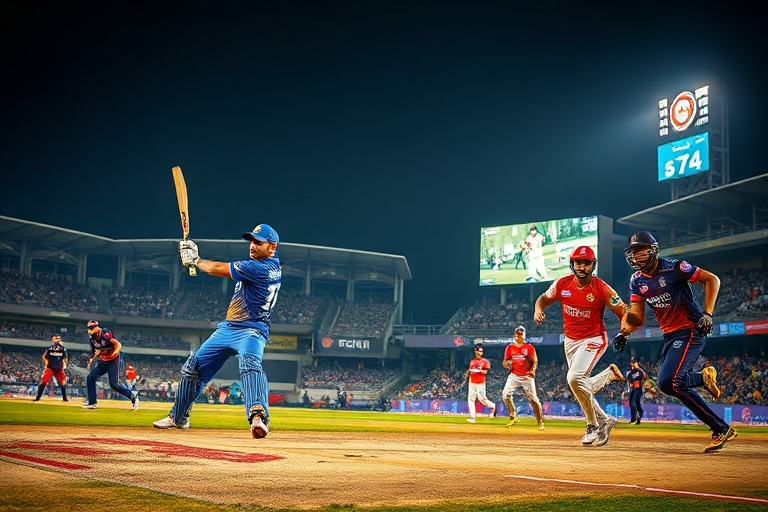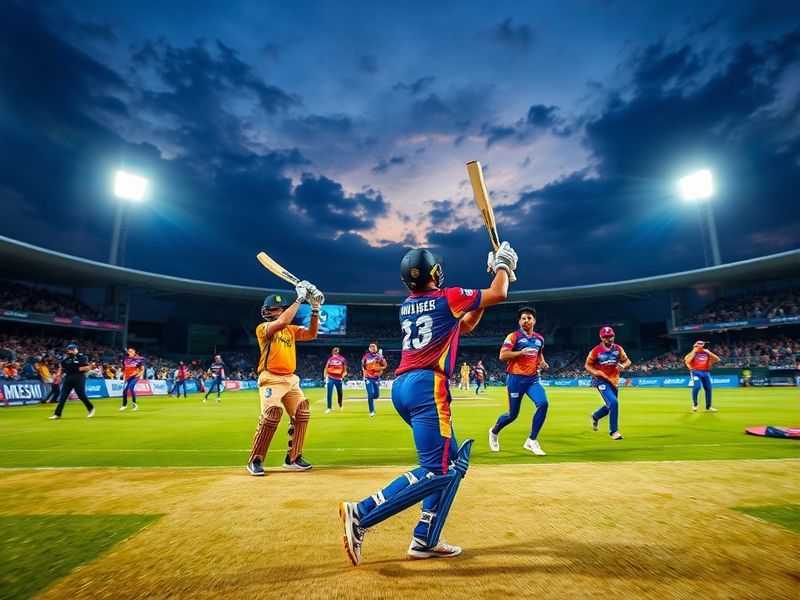
Few matchups in the Indian Premier League generate as much intrigue as Rajasthan Royals (RR) versus Kolkata Knight Riders (KKR). Neither franchise boasts the star-studded consistency of Mumbai Indians or Chennai Super Kings, yet their head-to-head clashes consistently deliver unpredictability, tactical brilliance, and moments that linger in the memory.
The rivalry isn’t defined by dominance or historical supremacy. Instead, it thrives on the unexpected—the last-ball thrillers, the underdog comebacks, and the way both teams reinvent themselves with every season. For fans, these games aren’t just about points; they’re about witnessing a different kind of IPL magic, one where strategy often eclipses sheer talent.
The History Behind the Hype: Why RR vs KKR Matters More Than You Think
Despite both teams lifting the IPL trophy—RR in 2008 and KKR in 2012 and 2014—neither has managed to sustain long-term consistency. That shared history of early success followed by fluctuating form has created a unique dynamic. When these two meet, it’s less about legacy and more about proving that in T20 cricket, adaptability beats predictability.
Their rivalry also reflects broader shifts in the IPL. Early seasons favored aggressive, fearless cricket, a style both teams embraced. Over time, as franchises invested heavily in analytics and specialist roles, RR and KKR carved niches by blending youth with experience, often uncovering hidden gems in domestic circuits or uncapped markets.
Notably, their encounters have produced some of the most dramatic finishes in IPL history. From 2014’s last-ball win by KKR to RR’s 2022 chase where they overhauled 210, these games test mental resilience as much as skill. The psychological edge often swings between the two, making every match a fresh narrative rather than a replayed script.
Key Factors That Decide RR vs KKR Matches: A Tactical Breakdown
While both teams share a reputation for unpredictability, the reasons behind their results aren’t random. Several recurring factors determine outcomes in these high-pressure games:
- Powerplay Dominance: Both teams rely heavily on their top order to set the tone. Openers like Jos Buttler (RR) and Venkatesh Iyer (KKR) have repeatedly provided explosive starts, but their failure often leads to early collapses.
- Death Bowling Stability: RR’s Trent Boult and KKR’s Varun Chakravarthy have become synonymous with wicket-taking in the slog overs. A misfire here can swing the game dramatically.
- Spin vs Pace Debate: Both teams balance spinners and pacers differently. RR leans on spin with Yuzvendra Chahal, while KKR often uses mystery spinners like Sunil Narine to disrupt rhythm.
- Finishing Ability: Middle-order batsmen such as Rinku Singh (KKR) and Shimron Hetmyer (RR) have emerged as finisher specialists, capable of turning games with last-over heroics.
- Fielding Standards: High catches and sharp ground fielding have decided multiple RR vs KKR matches, highlighting how small margins define modern T20 cricket.
Beyond tactics, the mental aspect cannot be ignored. Both franchises have had captains who thrived under pressure— Shane Warne for RR and Gautam Gambhir for KKR—setting a culture where belief outweighs reputation. That mindset persists even as leadership changes, proving that identity in these teams is built on resilience, not just talent.
Beyond the Scoreboard: What RR vs KKR Reveals About the IPL’s Future
The rivalry offers more than just entertainment; it reflects evolving trends in the IPL ecosystem. As the league matures, franchises increasingly prioritize squad flexibility over star power. RR and KKR epitomize this approach, often fielding teams that look unbalanced on paper but function as cohesive units under pressure.
Another significant implication is the emphasis on domestic talent. Both teams have invested in uncapped Indian players, proving that the IPL is no longer just about importing overseas stars. The rise of players like Sanju Samson (RR) and Nitish Rana (KKR) underscores a shift toward nurturing local heroes who understand the demands of Indian conditions.
From a fan perspective, these matches cultivate a unique culture. RR and KKR supporters are known for their passion, often traveling in large numbers even when their teams aren’t favorites. This loyalty creates an electric atmosphere, one that challenges the dominance of larger franchises and reminds the league that cricket is as much about emotion as it is about performance.
Moreover, these games serve as a testing ground for innovations in strategy. Whether it’s KKR’s unconventional bowling changes or RR’s use of spin in powerplays, their clashes often introduce tactics later adopted by other teams. In that sense, RR vs KKR isn’t just a fixture—it’s a laboratory for the future of T20 cricket.
Where Do RR and KKR Go From Here? The Bigger Picture
Looking ahead, both teams face pivotal decisions. For RR, the challenge lies in sustaining consistency beyond individual brilliance. With Buttler’s potential move to other leagues looming, the franchise must build depth around their star players.
KKR, meanwhile, must address their vulnerability in the middle order. Despite strong starts, collapses have cost them crucial matches. Addressing that fragility could transform them from occasional contenders to perennial title threats.
For the IPL as a whole, the RR vs KKR dynamic remains vital. It proves that the league’s appeal isn’t just about star power or historical pedigree—it’s about the stories that emerge when underdogs defy expectations. In an era where franchises chase immediate results, these two teams remind everyone that patience, adaptability, and belief can still outlast the loudest brands.
As the next season approaches, one thing is certain: when RR and KKR step onto the field, the game will be anything but ordinary. And that’s exactly why fans keep coming back.
For more insights into how these teams shape the IPL, explore our Sports and Analysis sections.