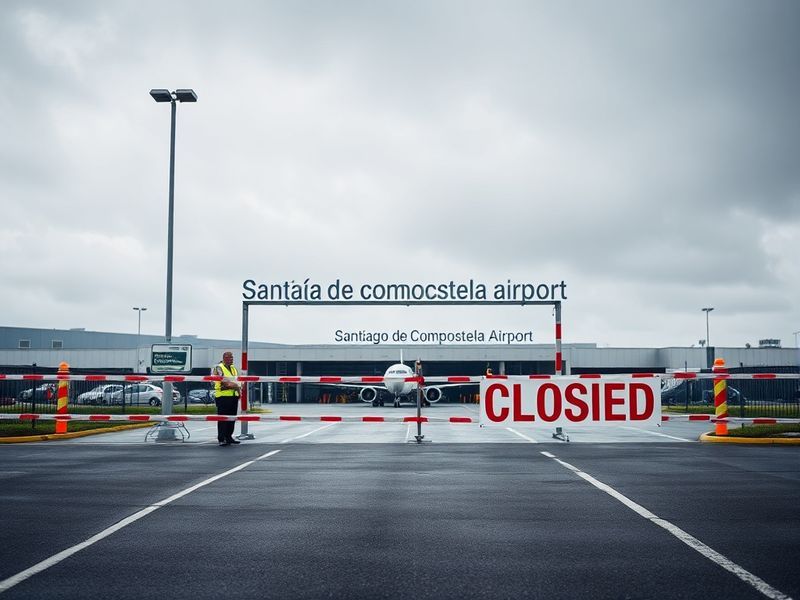
The temporary closure of Santiago de Compostela Airport (SCQ) in Galicia, Spain, has sent ripples through regional and international travel plans. Originally scheduled to shut down on October 15, 2023, the closure was postponed to November 1 due to ongoing labor disputes and infrastructure concerns. Travelers, airlines, and local authorities are now scrambling to adjust schedules and mitigate disruptions.
The airport, a key gateway to northwestern Spain and a hub for pilgrims on the Camino de Santiago, serves over 3 million passengers annually. Its closure will force a significant shift in regional air traffic, with most flights rerouted to A Coruña Airport (LCG) or Vigo Airport (VGO), both located approximately 70 kilometers away. This logistical challenge highlights the delicate balance between maintaining essential services and addressing long-term infrastructure needs.
Why Is the Airport Closing?
The closure stems from a combination of factors, including aging infrastructure, budget constraints, and unresolved labor issues. The Galicia regional government announced the shutdown as part of a broader plan to modernize the airport and improve safety standards. However, the decision has faced criticism from local businesses, tourism operators, and residents who rely on the airport for both economic and personal travel.
One of the primary concerns is the lack of a clear timeline for reopening. While the airport’s closure was initially framed as a temporary measure, there is growing uncertainty about when—or if—it will resume operations. The Galicia government has pledged to invest in upgrades, but the process could take months or even years, depending on funding and regulatory hurdles.
Labor unions have also raised objections, citing job losses and the potential impact on regional employment. The airport supports thousands of jobs directly and indirectly, and the closure could have a cascading effect on local economies. Small businesses, including hotels, restaurants, and tour operators, are particularly vulnerable, as they rely heavily on tourist traffic.
How Will the Closure Affect Travelers?
For travelers planning trips to or through Santiago de Compostela, the closure presents several challenges. The most immediate impact is the need to reroute flights, which could result in longer travel times and higher costs. Airlines are working to accommodate passengers, but delays and cancellations are inevitable, especially during peak travel seasons.
Pilgrims on the Camino de Santiago, a historic pilgrimage route, may face additional complications. Many international pilgrims fly into Santiago to begin their journey, and the closure could disrupt their plans. While ground transportation options like buses and trains remain available, the added travel time may deter some from completing the pilgrimage.
To help travelers navigate these changes, airlines and travel agencies are offering flexible rebooking policies. Passengers are encouraged to check with their carriers for updates and consider alternative routes. The following are key steps travelers can take to minimize disruptions:
- Monitor airline communications: Stay informed about flight status changes and rerouting options.
- Explore ground transportation: Buses and trains from A Coruña and Vigo offer connections to Santiago, though travel times may increase.
- Check visa and entry requirements: If rerouting involves a different airport, ensure compliance with entry and transit regulations.
- Consider travel insurance: Policies that cover trip cancellations or delays can provide financial protection.
For those planning to visit Santiago de Compostela soon, it may be worth delaying travel until the airport reopens or opting for alternative entry points. The Travel section on Dave’s Locker offers additional guidance on managing travel disruptions and finding alternative destinations.
Economic and Cultural Impact on Galicia
The closure of Santiago de Compostela Airport extends beyond logistical challenges, touching on broader economic and cultural concerns. Galicia is a region rich in history, with Santiago de Compostela serving as a UNESCO World Heritage Site and a global symbol of religious and cultural heritage. The airport’s closure threatens to undermine tourism, a vital sector of the regional economy.
Local businesses, particularly in the hospitality and retail sectors, are bracing for a decline in visitors. The airport’s shutdown could deter international tourists, who often combine their trips with visits to other Galician cities like A Coruña, Vigo, and Lugo. The loss of tourism revenue could exacerbate existing economic challenges in the region, which has struggled with youth unemployment and depopulation in rural areas.
Cultural organizations are also sounding the alarm. The Camino de Santiago, a UNESCO-listed cultural route, attracts hundreds of thousands of pilgrims each year. Many of these travelers fly into Santiago, and the airport’s closure could discourage participation. This, in turn, could impact local economies along the pilgrimage route, which rely on donations, lodging, and hospitality services.
Galicia’s government has acknowledged the potential fallout but has framed the closure as a necessary step toward long-term improvement. Officials argue that modernizing the airport will enhance safety, efficiency, and passenger experience, ultimately benefiting the region. However, critics question whether the benefits will materialize before significant damage is done to the local economy.
Looking Ahead: What’s Next for Santiago de Compostela Airport?
The future of Santiago de Compostela Airport remains uncertain, with several possible outcomes on the table. The most immediate priority is addressing the labor disputes and securing funding for infrastructure upgrades. The Galicia government has indicated that it is open to negotiations with unions and stakeholders to mitigate the impact of the closure.
In the meantime, passengers and stakeholders are calling for greater transparency. There is a demand for a clear timeline for the airport’s reopening, as well as assurances that essential services will be maintained during the closure. Some advocacy groups are pushing for temporary solutions, such as shuttle services between alternative airports and Santiago, to ease the transition for travelers.
For the aviation industry, the closure serves as a case study in the challenges of balancing modernization with continuity of service. Airports across Europe face similar pressures, from aging infrastructure to environmental regulations. Santiago de Compostela’s experience could provide valuable lessons for other regional airports grappling with similar issues.
As the situation evolves, travelers and stakeholders alike will need to stay informed and adaptable. The closure of Santiago de Compostela Airport is more than a logistical inconvenience—it’s a reminder of the interconnectedness of travel, economics, and culture. For those affected, patience and flexibility will be key.
In the coming months, all eyes will be on Galicia as it navigates this critical juncture. Whether the closure ultimately leads to progress or further challenges remains to be seen, but one thing is clear: the decisions made today will shape the future of travel and tourism in the region for years to come.