<!DOCTYPE html>
<html lang="en">
<head>
    <meta charset="UTF-8">
    <meta name="viewport" content="width=device-width, initial-scale=1.0">
    <title>BigBang World Tour 2026: K-Pop’s Global Dominance Continues</title>
</head>
<body>
    <article>
        <h2>K-Pop’s Global Expansion Meets Local Flavor</h2>
        <p>The <strong>BigBang World Tour 2026</strong> isn’t just another concert series—it’s a cultural bridge. Since their debut in 2006, BigBang has redefined what it means to be a global K-pop act. Their 2026 tour represents more than a decade of evolution, blending digital innovation with live performance artistry. This isn’t just about music; it’s about how a single group can shape global pop culture across continents.</p>

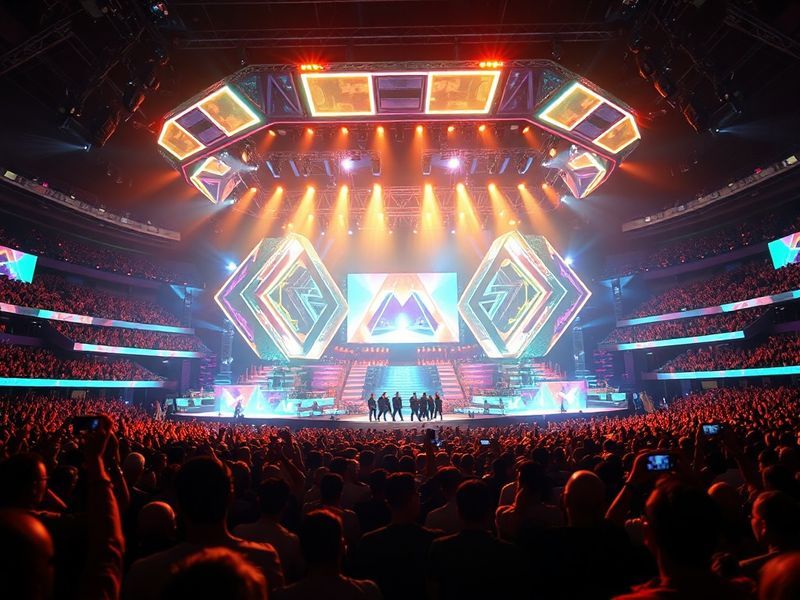
        <p>Tour dates stretch from Seoul’s Olympic Stadium to London’s O2 Arena, with stops in São Paulo, Berlin, and Dubai. Each venue has been selected not just for capacity but for cultural significance. For instance, the Berlin date aligns with the city’s electronic music legacy, while São Paulo’s show taps into Brazil’s burgeoning K-pop fandom. BigBang’s ability to adapt their setlist—mixing classics with future releases—reflects their mastery of both nostalgia and forward momentum.</p>

        <h3>The Economics of a World Tour</h3>
        <p>Behind the spectacle lies a sophisticated business model. BigBang’s 2026 tour operates on multiple revenue streams: ticket sales, merchandise, and digital content. A single stadium show can generate over $5 million in ticket revenue alone, with VIP packages pushing that number higher. The tour’s merchandise, designed in collaboration with streetwear brands like <a href="/category/fashion/">Stüssy</a> and Ader Error, sells out within hours.</p>

        <p>Ticketing presents its own challenges. Secondary markets like StubHub and Ticketmaster resale platforms see prices fluctuate wildly. For the São Paulo show, resale tickets peaked at $1,200—nearly three times the face value. This phenomenon isn’t unique to BigBang; it mirrors the broader K-pop economy, where demand often outstrips supply. Fans aren’t just buying concerts; they’re investing in cultural capital.</p>

        <h3>Cultural Exchange Through Music</h3>
        <p>BigBang’s global appeal lies in their willingness to absorb local influences. The 2026 tour’s promotional videos feature regional artists from each stop, from Brazilian samba rhythms to German techno beats. This collaboration isn’t superficial—it’s a deliberate strategy to make BigBang feel like a local act, not an import.</p>

        <p>Consider the tour’s opening night in Seoul. The setlist included a reimagined version of “Fantastic Baby,” fused with traditional Korean instruments like the gayageum. In Los Angeles, G-Dragon performed alongside a mariachi band during “Bae Bae.” These moments aren’t just crowd-pleasers; they’re statements about cultural hybridity in the age of globalization.</p>

        <h3>The Role of Technology</h3>
        <p>No discussion of the BigBang World Tour 2026 would be complete without addressing its technological backbone. The stage design incorporates augmented reality (AR) projections that respond to crowd movements, creating an immersive experience. Fans in the venue receive real-time updates via an official app, which also offers exclusive content like behind-the-scenes footage and live polls for setlist adjustments.</p>

        <p>Virtual reality (VR) plays a role too. For fans unable to attend, the tour offers a VR live stream in select countries, complete with haptic feedback for an at-home concert experience. This isn’t just innovation for its own sake—it’s a response to the growing demand for accessibility in live entertainment.</p>

        <h3>Fan Culture and Community</h3>
        <p>BigBang’s fandom, known as VIP, is one of the most organized in K-pop. The 2026 tour leverages this loyalty through interactive elements like fan-cam stations and meet-and-greet lotteries. Social media amplifies this engagement, with hashtags like #BBWorldTour2026 trending globally within minutes of each show’s start.</p>

        <p>Yet, fan culture isn’t without its challenges. The tour’s popularity has led to overcrowding at venues and long lines for merch. Security concerns have prompted organizers to implement stricter entry protocols, including mandatory bag checks and metal detectors. These measures reflect the growing pains of a global phenomenon that shows no signs of slowing down.</p>

        <h3>The Bigger Picture: K-Pop’s Global Reach</h3>
        <p>The BigBang World Tour 2026 is a microcosm of K-pop’s global expansion. In 2023, K-pop accounted for over 20% of all music consumption in Southeast Asia. By 2026, that number is expected to rise as more acts like BigBang tour internationally. The tour’s success underscores a shift in the music industry, where Asian artists are no longer content with niche appeal—they’re aiming for the mainstream.</p>

        <p>This isn’t just about BigBang. It’s about the infrastructure that supports them: agencies like YG Entertainment, streaming platforms like Spotify, and social media giants like TikTok. Each plays a role in amplifying K-pop’s reach, turning local acts into global icons. The BigBang World Tour 2026 isn’t just a concert series; it’s a case study in how music transcends borders.</p>

        <h3>A Look Ahead</h3>
        <p>As the tour progresses, all eyes will be on how BigBang evolves. Will they continue to innovate, or will they double down on their signature style? The answer may lie in their next album, slated for a late 2025 release. Whatever they choose, one thing is certain: the BigBang World Tour 2026 is more than a series of shows. It’s a cultural moment, a business model, and a testament to the power of music to unite across continents.</p>

        <p>For fans, it’s a chance to be part of history. For critics, it’s an opportunity to analyze the mechanics of global pop culture. And for the music industry, it’s a blueprint for the future.</p>
    </article>

    <!-- Metadata Section -->