Boston Marathon: History, Impact, and What Comes Next
“`html
The Boston Marathon: More Than Just a Race
The Boston Marathon stands as one of the most storied and significant events in long-distance running. Since its inception in 1897, it has grown from a small local race into an international spectacle that draws elite athletes, amateur runners, and spectators from around the world. Its rich history is matched only by its enduring impact on the sport and culture of endurance athletics.
The Origins and Evolution of an Iconic Event
The Boston Marathon traces its roots to the revival of the Olympic Games in Athens in 1896. Inspired by the marathon’s debut in those games, local athletic enthusiasts in Boston sought to create their own version the following year. The first race took place on April 19, 1897, with just 15 participants running a 24.5-mile course from Metcalf’s Mill in Ashland to the Irvington Oval in Boston. The winner, John J. McDermott, completed the distance in 2 hours, 55 minutes, and 10 seconds—a modest time by today’s standards, but one that set the stage for future legends.
Over the decades, the Boston Marathon expanded both in distance and prestige. In 1927, the course was lengthened to the now-standard 26.2 miles to align with Olympic regulations. The race also became a proving ground for American distance running, with figures like Clarence DeMar, who won seven times between 1911 and 1930, cementing its reputation as a test of endurance and strategy.
By the mid-20th century, the marathon had evolved into a global event. The 1960s and 1970s saw a surge in international participation, driven in part by the inclusion of women in 1972—a milestone that reflected broader social changes. Today, the Boston Marathon attracts over 30,000 runners annually and welcomes competitors from more than 100 countries.
Key Moments in Boston Marathon History
- 1967: Kathrine Switzer becomes the first woman to officially run the marathon with a bib number, challenging the all-male tradition.
- 1980: Rosie Ruiz is disqualified after her controversial “win” is revealed to be a result of course-cutting.
- 1996: Cosmas Ndeti of Kenya becomes the first runner to win three consecutive Boston Marathons in the modern era.
- 2013: The marathon is marred by the Boston Marathon bombing, which kills three spectators and injures hundreds. The event’s resilience is demonstrated the following year with record participation.
- 2020: The race is canceled due to the COVID-19 pandemic, marking the first time in its history that it did not take place on Patriots’ Day.
The Marathon’s Cultural and Social Significance
Beyond its athletic achievements, the Boston Marathon holds deep cultural and social meaning. It is one of the few major marathons that requires qualifying times, making it a bucket-list goal for serious runners. The rigorous standards ensure that only those who have trained extensively can participate, adding an element of exclusivity and prestige.
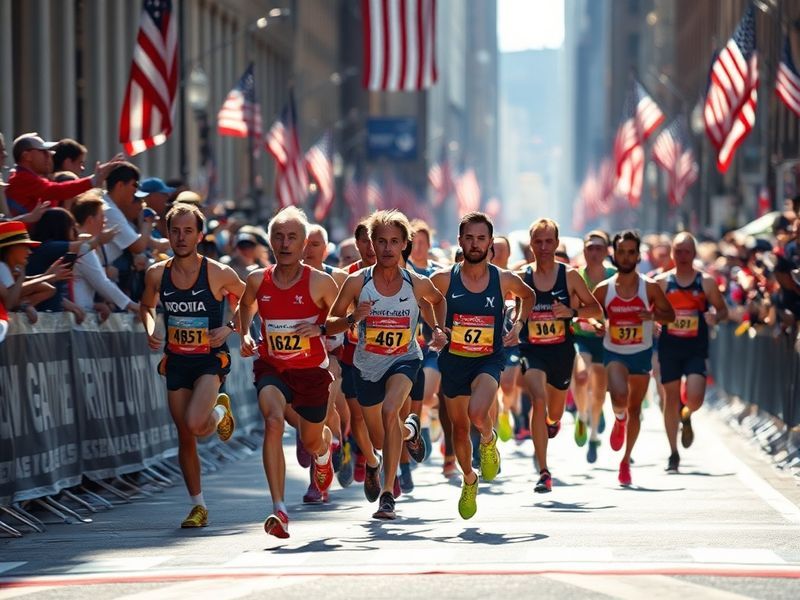
For many communities, the marathon is a celebration of resilience and unity. Cities and towns along the course, from Hopkinton to Boston, come alive with spectators who line the streets for hours, cheering on runners with homemade signs and unwavering support. The event also serves as a platform for charitable fundraising, with runners raising millions of dollars annually for causes ranging from cancer research to veterans’ support.
The marathon’s role in social change cannot be overstated. Kathrine Switzer’s 1967 run challenged the perception of women in endurance sports, paving the way for greater gender equality in athletics. Similarly, the 2013 bombing and the subsequent recovery efforts highlighted the resilience of Boston and its people, turning tragedy into a testament to human spirit.
The Future of the Boston Marathon
As the Boston Marathon looks ahead, it faces both opportunities and challenges. One of the most pressing issues is the balance between tradition and innovation. The race’s roots are firmly planted in history, but organizers must also adapt to changing times. This includes addressing concerns about environmental sustainability, as large-scale events like marathons generate significant carbon footprints. Initiatives such as reducing single-use plastics and promoting public transportation have been implemented in recent years.
Another challenge is maintaining the integrity of the qualifying standards. With more runners achieving Boston-qualifying times due to the rise of competitive amateur running, some argue that the standards need to be adjusted to preserve the race’s exclusivity. However, any changes must be carefully considered to avoid alienating the running community.
The Boston Marathon’s influence extends beyond its own event. It has inspired similar races around the world and continues to set the benchmark for elite and amateur running. Its legacy is also evident in the countless stories of personal triumph that unfold each year, from first-time runners crossing the finish line to veterans setting personal records.
Looking forward, the marathon’s organizers are focused on ensuring its continued relevance. This includes expanding outreach to younger runners, leveraging technology to enhance the spectator experience, and fostering a sense of global community among participants. The race’s ability to evolve while honoring its past will be key to its future success.
What’s Next for Boston Marathon Runners and Fans
- Increased Sustainability Efforts: Expect more initiatives aimed at reducing the environmental impact of the event, such as carbon offset programs and waste reduction campaigns.
- Enhanced Fan Engagement: Virtual reality and augmented reality may soon allow fans to experience the race remotely, offering immersive views of the course and live updates.
- Greater Diversity and Inclusion: Efforts to encourage participation from underrepresented groups, including runners of color and those with disabilities, will likely intensify.
- Technological Advancements: From improved timing systems to AI-driven training tools, technology will play an increasingly important role in how runners prepare and compete.
Conclusion: A Legacy of Endurance and Inspiration
The Boston Marathon is more than just a race; it is a testament to human endurance, resilience, and the power of community. For over a century, it has brought together people from all walks of life, united by a shared passion for running and a desire to push beyond their limits. Its history is marked by triumph and tragedy, joy and sorrow, but through it all, the marathon has remained a symbol of hope and perseverance.
As it continues to evolve, the Boston Marathon will undoubtedly face new challenges and opportunities. Yet, its core identity—rooted in tradition, excellence, and inclusivity—will remain unchanged. For runners and spectators alike, the Boston Marathon is a reminder that greatness is not measured solely by speed or distance, but by the spirit with which we approach the journey.
Whether you’re a seasoned marathoner, a first-time qualifier, or an avid spectator, the Boston Marathon offers something for everyone. It is a celebration of what the human body and mind can achieve, a tribute to the power of community, and a legacy that will endure for generations to come.
For those inspired to take on the challenge, now is the time to start training. The 2025 Boston Marathon awaits, and with it, the opportunity to become part of a tradition that has inspired millions.
Explore more about endurance sports and athletic events on Dave’s Locker Sports.