FC Barcelona’s Legacy: Identity, Crisis, and Global Football Impact
“`html
Fútbol Club Barcelona: A Legacy Woven Into Global Sport
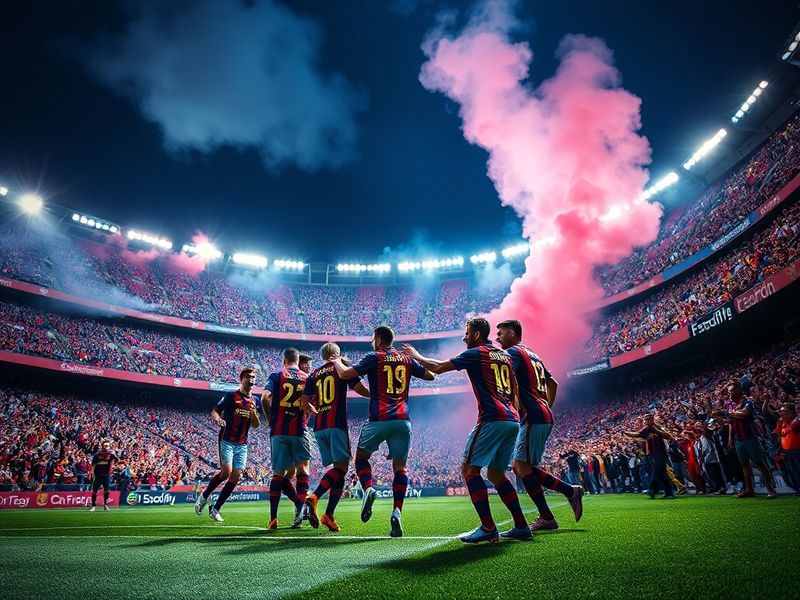
Fútbol Club Barcelona, commonly known as Barça, stands not just as a football club, but as a symbol of identity, resilience, and innovation. Founded in 1899 by a group of Swiss, English, and Catalan footballers under the leadership of Joan Gamper, the club emerged from a desire to promote football within Catalonia while nurturing a sense of local pride. Over 125 years later, Barça’s influence extends far beyond the pitch, shaping conversations around identity, governance, and the future of sports.
The Foundations of Identity and Culture
From its inception, FC Barcelona was more than a sporting institution. It became a cultural anchor for Catalonia, especially during periods of political oppression. The club’s motto, “Més que un club” (“More than a club”), reflects this deep connection. During Franco’s dictatorship, Barça’s Camp Nou served as a quiet bastion of Catalan expression, where songs, flags, and chants kept the spirit of autonomy alive. This historical role has cemented the club’s reputation as a defender of values—democracy, freedom, and local culture—even as it competes at the highest level of global football.
The club’s identity is also embedded in its playing philosophy. Under Johan Cruyff in the late 1980s and early 1990s, Barça adopted the “tiki-taka” style, emphasizing possession, technical skill, and positional play. This philosophy became synonymous with the club’s DNA and influenced football tactics worldwide. Even today, the principles of positional play and collective football remain central to Barça’s identity, even as the team navigates a transitional phase.
Recent Challenges and Institutional Turmoil
The past decade has tested Barça’s resilience. Financial mismanagement, poor investment decisions, and the COVID-19 pandemic exposed structural vulnerabilities. In 2022, the club faced a liquidity crisis so severe that it considered selling Camp Nou to private investors. The situation led to the departure of president Josep Maria Bartomeu in 2020, followed by a period of instability and fan protests. The arrival of new leadership under Joan Laporta in 2021 marked a turning point, but the road to recovery remains steep.
Financial constraints forced Barça to adopt unconventional strategies. The club launched a digital fan token, Barça Fan Tokens, and restructured its debt through innovative financial instruments. These moves, while controversial, reflect a broader trend in modern football: clubs turning to technology and alternative financing to sustain competitiveness. However, they also raise questions about long-term sustainability and the risk of prioritizing short-term gains over sporting integrity.
On the pitch, the team has struggled to maintain consistency. Despite the presence of world-class talents like Robert Lewandowski, Pedri, and Gavi, Barça has often appeared disjointed tactically. Managerial changes have been frequent, disrupting team chemistry and development. The 2023–24 season saw Xavi Hernández return as manager, but results have remained inconsistent. The club’s underperformance in the UEFA Champions League—once its spiritual home—has further fueled criticism from supporters.
Key Challenges Facing FC Barcelona
- Financial Sustainability: High wage bills, debt restructuring, and revenue loss have limited transfer activity.
- Tactical Transition: The club is caught between its traditional philosophy and the demands of modern football.
- Youth Development vs. Immediate Success: Balancing La Masia graduates with star signings remains a challenge.
- Fan Expectations: The “Més que un club” ethos creates pressure to uphold values amid financial constraints.
- Global Competition: Clubs like Manchester City, Real Madrid, and PSG have set new standards in professionalism and performance.
Global Influence and the Future of Football
FC Barcelona’s global reach is undeniable. With over 300 million fans worldwide, the club operates as a transnational brand. Its social media presence, merchandise sales, and digital engagement platforms like Barça Studios and Barça Innovation Hub extend its influence into entertainment, technology, and education. The club’s commitment to social causes—such as the Barça Foundation’s global health and education initiatives—has further strengthened its global image.
Yet, this global expansion comes with challenges. The commercialization of football risks diluting the emotional and cultural connections that once defined clubs like Barça. Younger fans, especially, engage with football through digital platforms and esports, shifting the traditional model of club loyalty. Barça has responded by investing in its digital ecosystem, including partnerships with gaming platforms and virtual experiences.
The future of FC Barcelona may depend on its ability to reconcile tradition with innovation. The club’s commitment to La Masia, its renowned youth academy, remains a cornerstone. Developing homegrown talent not only preserves identity but also reduces financial dependency on expensive transfers. The emergence of players like Lamine Yamal and Fermín López offers hope for a sustainable sporting model.
A Conclusion Rooted in Resilience
FC Barcelona’s story is one of triumph and tribulation, of ideals and pragmatism. It is a club that has shaped football’s evolution while being shaped by its own history. The challenges it faces today—financial, sporting, and cultural—are not unique, but they are magnified by the weight of its legacy. Success will require more than tactical adjustments; it will demand visionary leadership, financial prudence, and an unwavering commitment to its core values.
As Barça navigates this complex landscape, one thing remains clear: its influence transcends sport. The club is a living archive of cultural memory, a platform for social change, and a laboratory for football’s future. In an era where football is increasingly dominated by financial power, FC Barcelona’s ability to uphold its ethos while competing at the highest level will define its next chapter.
For fans and observers alike, the journey is as compelling as the destination. Barça’s story reminds us that football is not just about results—it’s about meaning, identity, and the enduring power of belonging.
As the club moves forward, the world will be watching—not just to see if it wins trophies, but to see if it remains true to itself in a rapidly changing world.