Flight Cancellation and Delay: Know Your Rights and Options
“`html
Flight Cancellation and Delay: Know Your Rights and Options
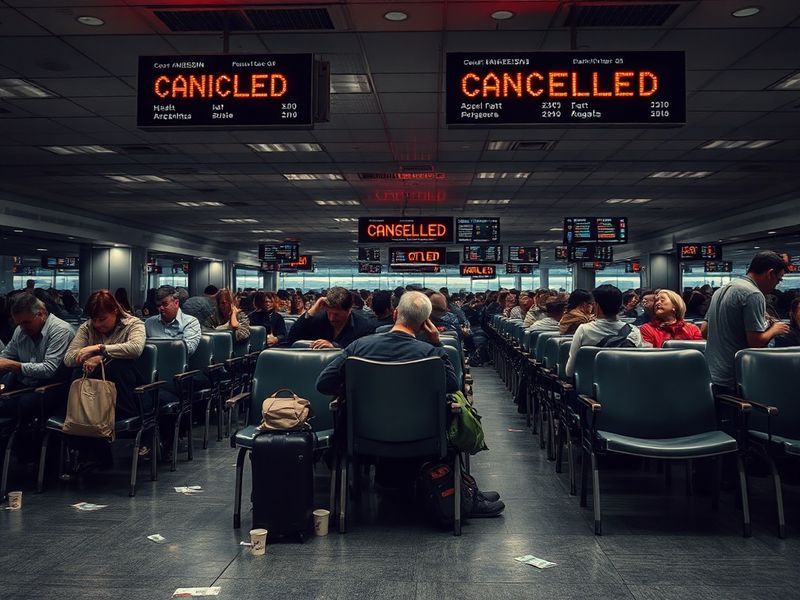
The frustration of a delayed or canceled flight is a universal traveler’s nightmare. Whether it’s a missed connection, a weather-induced ground stop, or an airline’s operational hiccup, the ripple effects can disrupt entire itineraries. Airlines and passengers alike navigate a delicate balance between safety, cost, and customer satisfaction. Understanding the causes, consequences, and recourse options can transform a traveler’s experience from one of helplessness to informed advocacy.
Why Flights Get Delayed or Canceled
Flight disruptions rarely stem from a single source. Instead, they often result from a confluence of factors that cascade through the aviation system. Weather tops the list, with thunderstorms, fog, or snow halting departures and arrivals. According to the Federal Aviation Administration (FAA), weather accounts for nearly 70% of all delays. While airlines cannot control the skies, their preparedness—or lack thereof—plays a crucial role in minimizing fallout.
Operational issues also contribute significantly. Mechanical problems, crew shortages, or air traffic control bottlenecks can ground planes without warning. In 2023, the U.S. saw over 1.8 million flight delays, with a notable spike during peak summer travel months. Labor disputes, such as pilot or air traffic controller strikes, further exacerbate delays by reducing available resources. Airlines often cite these as “controllable delays,” but passengers rarely accept them as unavoidable inconveniences.
Less visible but equally impactful are systemic inefficiencies. Airlines schedule flights with tight turnarounds, assuming optimal conditions. When one flight runs late, the domino effect can ripple across an airline’s entire network. A single delayed aircraft in Denver might delay departures in New York, Chicago, and Los Angeles. This interconnectedness highlights the fragility of modern air travel logistics.
Common Causes of Delays and Cancellations
- Weather: Thunderstorms, hurricanes, fog, or high winds disrupt visibility and safety protocols.
- Air Traffic Control: Volume overload or staffing shortages lead to mandatory ground stops.
- Mechanical Issues: Aircraft require regular maintenance; unexpected repairs ground planes mid-route.
- Crew Availability: Pilots and flight attendants must adhere to strict duty-hour limits, and shortages disrupt schedules.
- Airlines’ Operational Decisions: Overbooking, scheduling conflicts, or cost-cutting measures strain resources.
The Ripple Effects on Travelers
The immediate impact of a delay or cancellation is obvious: missed meetings, lost vacation days, or disrupted family plans. However, the secondary consequences often prove more damaging. Passengers stranded overnight may face exorbitant hotel fees or last-minute booking surcharges. Those with tight connections risk missing entire trips, especially in hub-based systems like Atlanta or Dallas, where a single delay can derail multi-leg journeys.
Financially, the costs add up quickly. According to a 2022 study by Dave’s Locker Travel, stranded passengers spent an average of $320 on unplanned expenses per disruption. These include meals, accommodations, and alternative transportation. For business travelers, the stakes are even higher. A delayed executive might miss a critical negotiation, while a canceled flight could jeopardize an entire project timeline.
Emotionally, the toll is often overlooked. Travelers report heightened stress, frustration, and even anger when dealing with airlines. Long lines at customer service desks and opaque policies exacerbate the sense of powerlessness. Airlines, aware of these frustrations, have begun investing in customer service tools, but gaps remain between promises and execution.
Your Rights and Recourse as a Passenger
Passengers are not entirely at the mercy of airlines. Regulations, particularly in the U.S. and EU, provide protections for travelers facing disruptions. In the U.S., the Department of Transportation (DOT) mandates that airlines compensate passengers for “involuntary denied boardings” under certain conditions. For delays, airlines are not legally required to compensate passengers, but they must provide food, water, and accommodations during extended waits. The Dave’s Locker News section offers updates on evolving policies and passenger rights.
In the European Union, Regulation (EC) No 261/2004 is more stringent. Passengers are entitled to compensation ranging from €250 to €600 for cancellations or long delays, depending on distance and circumstances. Airlines must also provide meals, refreshments, and hotel stays if necessary. This regulation has set a global benchmark, prompting other countries to adopt similar measures.
Beyond compensation, passengers have options. Rebooking on the next available flight, requesting a refund, or accepting travel vouchers are standard procedures. However, travelers should document everything—receipts, communication logs, and boarding passes—to strengthen their claims. Social media has become a powerful tool for shaming airlines into action, with viral posts often prompting faster resolutions.
Steps to Take When Your Flight Is Delayed or Canceled
- Stay Informed: Monitor airline notifications and airport displays for real-time updates.
- Request Compensation: If the delay is airline-controlled, ask for meals, accommodations, or vouchers.
- Document Everything: Save receipts, take screenshots of communications, and note the time spent resolving the issue.
- Explore Alternatives: Check other airlines or transportation modes (trains, buses) for faster travel options.
- File a Complaint: Submit a formal complaint to the DOT or your country’s equivalent regulatory body if necessary.
Looking Ahead: Can Airlines Improve the System?
The aviation industry faces growing pressure to address delays and cancellations proactively. Airlines are investing in predictive analytics to anticipate disruptions and adjust schedules accordingly. Delta Air Lines, for example, uses AI-driven tools to rebook passengers before they even reach the airport. Similarly, Southwest Airlines has overhauled its crew scheduling software to reduce strain during peak travel periods.
On the regulatory front, governments are exploring stricter penalties for repeat offenders. In 2023, the U.S. DOT proposed a rule requiring airlines to compensate passengers for delays caused by controllable factors, including crew shortages. Such measures could incentivize airlines to prioritize operational resilience over cost-cutting.
For travelers, the key takeaway is preparation. Booking directly with airlines, choosing flights with longer layovers, or purchasing travel insurance can mitigate risks. While delays and cancellations may never disappear entirely, informed passengers can navigate them with greater confidence and resilience.
The future of air travel hinges on balancing efficiency with reliability. Until then, the best defense remains awareness—knowing your rights, documenting disruptions, and advocating for solutions. In an industry where delays are inevitable, empowerment is the ultimate tool for turning chaos into control.