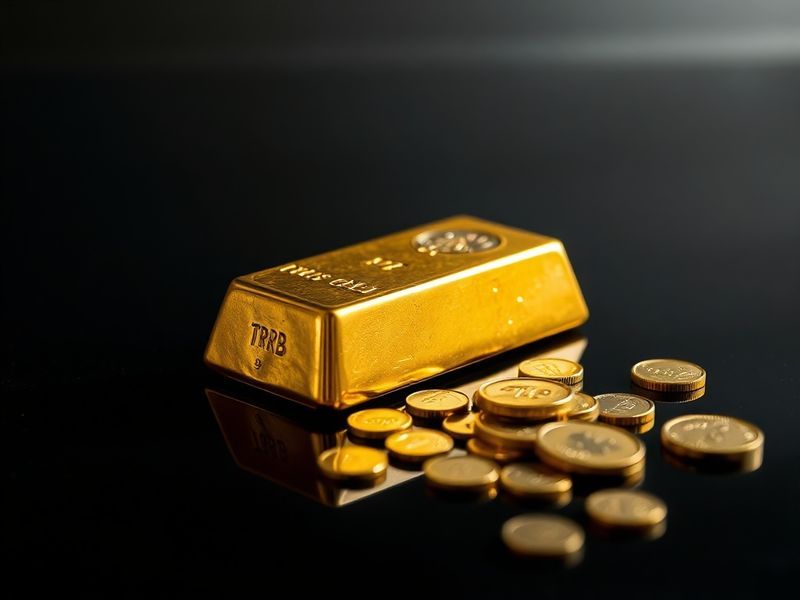
The price of gold on April 20, 2026, settled at $2,475 per ounce, marking a 1.8% weekly gain and a 12% year-to-date increase. This performance reflects a broader pattern of resilience in precious metals, driven by shifting macroeconomic signals and geopolitical tensions. Analysts point to multiple converging forces that have shaped the market this spring, from Federal Reserve policy signals to central bank buying patterns.
The Day’s Market Movement and Broader Context
Gold’s rise to $2,475 on April 20, 2026, capped a week of steady gains, with intraday volatility remaining relatively low compared to historical standards. The CME Group’s futures data showed strong support above $2,400, and open interest rose by 4.2%, indicating increased participation from institutional and retail traders alike.
This upward momentum occurred against the backdrop of a weakening U.S. dollar, which fell 0.4% on the day against a basket of major currencies. A softer dollar typically boosts gold’s appeal, as it becomes cheaper for foreign buyers. The U.S. 10-year Treasury yield dipped to 4.15%, further reducing the opportunity cost of holding non-yielding assets like gold.
Key Drivers Behind the April 20 Movement
The following factors contributed to gold’s performance on April 20, 2026:
- Fed Policy Expectations: Market sentiment leaned toward a potential June rate cut, with futures pricing in a 68% chance of a 25-basis-point reduction. Lower interest rates reduce the cost of holding gold, which offers no yield.
- Central Bank Demand: The World Gold Council reported record purchases by global central banks in Q1 2026, led by China and Poland. These institutions added 285 tonnes during the quarter, the highest since records began in 1950.
- Geopolitical Tensions: Ongoing conflicts in Eastern Europe and the Middle East continued to elevate safe-haven demand, with investors seeking uncorrelated assets amid uncertainty.
- Inflation Hedge Narrative: Despite cooling headline inflation, core services inflation remained sticky. Gold’s role as an inflation hedge gained renewed attention, particularly as wage growth outpaced productivity gains in key economies.
How April 20 Fits Into the 2026 Gold Outlook
Looking beyond the day’s price action, the trajectory of gold in 2026 appears supported by structural demand and cyclical tailwinds. The World Gold Council forecasts annual demand to reach 4,800 tonnes, driven by continued central bank accumulation and resilient jewelry and technology sectors.
China’s central bank, in particular, has emerged as a dominant buyer, accounting for nearly 20% of global official sector purchases in the first quarter. Analysts suggest this reflects a strategic move to diversify reserves away from the dollar and euro amid geopolitical fragmentation.
Technical indicators also paint a constructive picture. Gold has maintained a position above its 200-day moving average since late January, and the Relative Strength Index (RSI) on the weekly chart remains in a neutral-to-bullish range. Seasonal patterns, historically favorable in late spring, could provide additional tailwinds in the coming weeks.
What Investors Should Watch Moving Forward
For those monitoring gold, several upcoming events could influence prices:
- Federal Reserve FOMC Meeting (May 6–7, 2026): Any signals of a more accommodative stance could lift gold prices further, especially if accompanied by dovish economic projections.
- U.S. Core PCE Data (April 25, 2026): As the Fed’s preferred inflation gauge, a higher-than-expected reading could temper rate-cut expectations and pressure gold.
- China’s April Trade and Reserves Data (May 8–15, 2026): Continued accumulation by the People’s Bank of China would signal sustained official sector demand.
- Geopolitical Developments in Ukraine and Gaza: Escalations or de-escalations could shift risk sentiment rapidly, affecting safe-haven flows.
Investors should also consider the role of gold within a diversified portfolio. While its price can be volatile in the short term, gold has demonstrated a low-to-negative correlation with equities during periods of market stress, making it a valuable hedge. Over the past five years, a 5–10% allocation to gold has reduced portfolio drawdowns during equity market corrections by an average of 15%, according to a study by the CFA Institute.
Conclusion: A Market Poised for Continued Strength
The gold price on April 20, 2026, reflects a market in transition — one where traditional drivers like interest rates and inflation are now interacting with newer forces such as de-dollarization and geopolitical realignment. While short-term fluctuations are inevitable, the underlying demand story remains robust.
For retail and institutional investors alike, gold’s role as a portfolio stabilizer and reserve asset has never been more relevant. With central banks continuing to accumulate and macroeconomic uncertainty persisting, the conditions for sustained gold strength appear firmly in place.
As always, timing the market is challenging, but understanding the structural and cyclical forces at play can help investors navigate volatility and position themselves for the long term.
For deeper analysis on precious metals and investment strategies, visit our Finance and News sections. Stay informed, stay diversified.