In the realm of action cameras, few brands have achieved the cultural ubiquity of GoPro. Since its inception in 2002, the company has redefined how we document adventure, from the frozen cliffs of Patagonia to the urban jungles of Tokyo. The GoPro Mission series represents the latest evolution in this legacy, blending rugged durability with cutting-edge imaging technology.
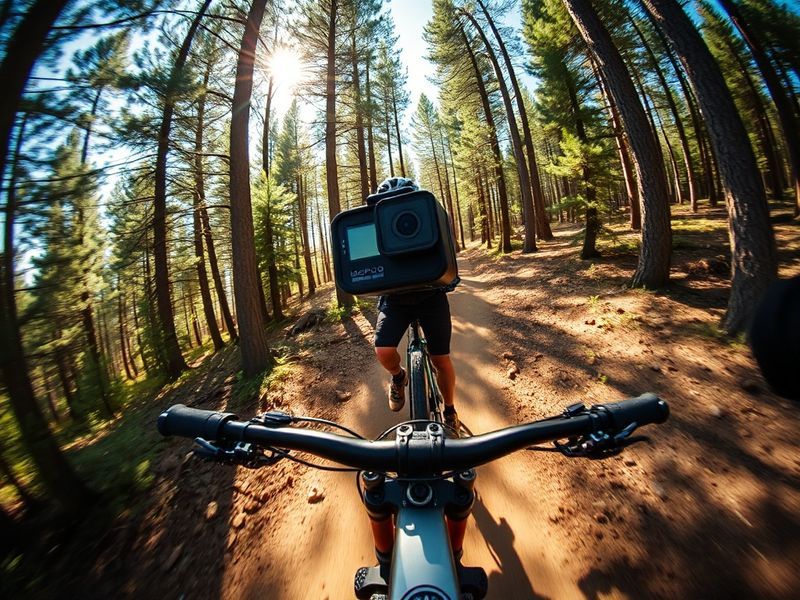
The Mission cameras aren’t just tools for thrill-seekers. They serve as portable storytelling devices, transforming personal experiences into shareable content. Whether mounted on a mountain biker’s helmet or attached to a surfer’s board, these cameras capture moments most would never witness firsthand. Their impact extends beyond recreation—into journalism, scientific research, and even disaster response.
The Evolution of GoPro’s Imaging Technology
GoPro’s journey began with simple, fixed-lens cameras designed for surfers. Over two decades, the company has expanded its lineup to include 360-degree models, ultra-high-definition action cameras, and now the Mission series. This latest line emphasizes modularity and adaptability, allowing users to customize their setup for specific environments.
The Mission cameras feature advanced image stabilization, enabling smooth footage even in chaotic conditions. Their waterproof housings withstand depths of up to 60 meters, while interchangeable lenses provide flexibility for different shooting scenarios. The integration of voice control and wireless connectivity further enhances usability, making these cameras accessible to both professionals and amateurs alike.
Key Features of the GoPro Mission Series
- Modular Design: Swappable mounts and accessories adapt the camera to any environment.
- 4K Video Capability: Crisp, detailed footage suitable for professional productions.
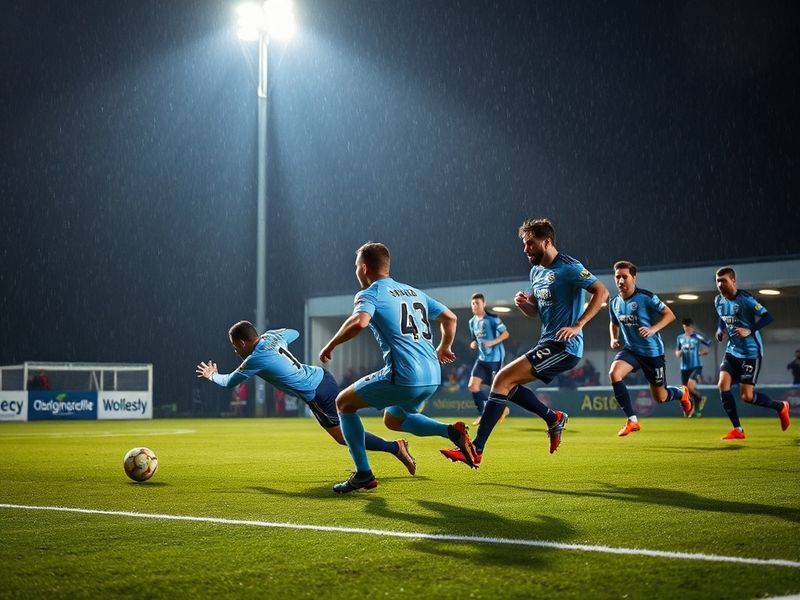
- Night Mode: Enhanced low-light performance for capturing stars or urban nightscapes.
- Live Streaming: Real-time broadcasting capabilities for social media and remote audiences.
- AI-Powered Editing: Automated tools streamline post-production workflows.
These features reflect GoPro’s commitment to innovation. The company collaborates with filmmakers, athletes, and scientists to refine its products. For instance, wildlife researchers use Mission cameras to document animal behavior without human interference, while cinematographers employ them for aerial and underwater shots that were previously impossible.
GoPro Missions in Global Context
Action cameras have transcended their original purpose, becoming essential tools in diverse fields. In sports, they enable athletes to analyze their performance and share their journeys with fans. The Mission series has been particularly influential in extreme sports, where angles and perspectives are everything.
Globally, GoPro has become a cultural symbol. In Japan, where precision and innovation are highly valued, the cameras are popular among vloggers and street photographers. Meanwhile, in Scandinavia, they’re used to document the midnight sun and aurora borealis, capturing natural phenomena that inspire awe worldwide.
Creativity often flourishes under constraints, and GoPro’s limitations have sparked innovation. Filmmakers in Brazil use the cameras to document favela life, offering unfiltered perspectives rarely seen in mainstream media. Similarly, journalists in conflict zones rely on GoPro’s durability to film stories that might otherwise go untold.
Cultural Impact and User-Generated Content
The rise of GoPro coincides with the explosion of user-generated content. Platforms like YouTube and TikTok thrive on authentic, immersive experiences, and GoPro’s cameras provide exactly that. The company’s #GoProMission campaign encourages users to share their adventures, fostering a global community of creators.
In India, where adventure tourism is growing rapidly, GoPro has partnered with local influencers to promote destinations like the Himalayas and Kerala’s backwaters. These collaborations highlight the cameras’ versatility while showcasing India’s diverse landscapes. Similarly, in Europe, GoPro has sponsored events like the Red Bull Rampage, pushing the boundaries of what’s possible in action sports cinematography.
The democratization of filmmaking has led to unexpected consequences. Amateur footage has influenced professional productions, blurring the line between hobbyist and expert. This shift has also democratized storytelling, giving marginalized voices a platform to share their narratives.
The Future of Action Cameras
As technology advances, so too does the potential of action cameras. Augmented reality (AR) and virtual reality (VR) integrations are on the horizon, promising even more immersive experiences. GoPro has hinted at AI-powered features that could automatically highlight the most exciting moments in a recording.
The company’s focus on sustainability is another notable trend. Recent models incorporate recycled materials and energy-efficient components, reflecting a growing demand for eco-conscious products. This aligns with broader industry shifts, as consumers increasingly prioritize brands with ethical practices.
For professionals, the Mission series offers tools that rival traditional cinema cameras. Its compact size and robust features make it ideal for documentary filmmakers, journalists, and content creators who need to work quickly and efficiently. Meanwhile, hobbyists benefit from the cameras’ affordability and ease of use, making high-quality filmmaking accessible to everyone.
Challenges and Criticisms
Despite its successes, GoPro faces challenges. Competition from smartphones and other action camera brands has intensified, forcing the company to innovate continuously. Critics argue that GoPro’s marketing often overshadows its technical achievements, creating a perception that the cameras are toys rather than professional tools.
Additionally, the proliferation of action camera footage has led to concerns about privacy and consent. Unauthorized filming in public spaces or private events has sparked debates about ethical boundaries. GoPro has responded by introducing features like facial blurring and privacy modes, but the issue remains a point of contention.
Sustainability is another area where GoPro must improve. While the company has made strides, the environmental impact of electronic waste remains a significant challenge. Consumers and regulators alike are demanding more transparent and responsible manufacturing practices.
Conclusion: More Than Just a Camera
The GoPro Mission series exemplifies how technology can bridge gaps between adventure, storytelling, and global connectivity. It’s not merely a tool for capturing extreme sports; it’s a device that empowers individuals to document their lives, share their cultures, and inspire others.
As GoPro continues to evolve, its cameras will likely play an even greater role in shaping how we perceive the world. From the depths of the ocean to the peaks of the highest mountains, the Mission series ensures that no moment goes unrecorded. For those who seek to explore, create, or simply share their experiences, GoPro remains an indispensable companion.
In a landscape dominated by fleeting trends and disposable content, GoPro stands out for its enduring appeal. It reminds us that the most powerful stories are often the ones we live—and the ones we choose to share.